
What to Do When You Move Into a New House
(Before You Unpack)
Moving into a new house is exciting.
It is also the one moment when your home is completely empty, accessible, and forgiving.
Once furniture is in place and boxes are stacked, certain tasks become ten times harder, or never get done at all. That is why what you do before you unpack matters so much.
Most homeowners rush to set up bedrooms and kitchens first. That feels productive, but it often means skipping the exact things that would make the house easier, cleaner, and safer to live in long term.
Think of this list as a reset button. You may never have this level of access again.
Run the Water Everywhere First
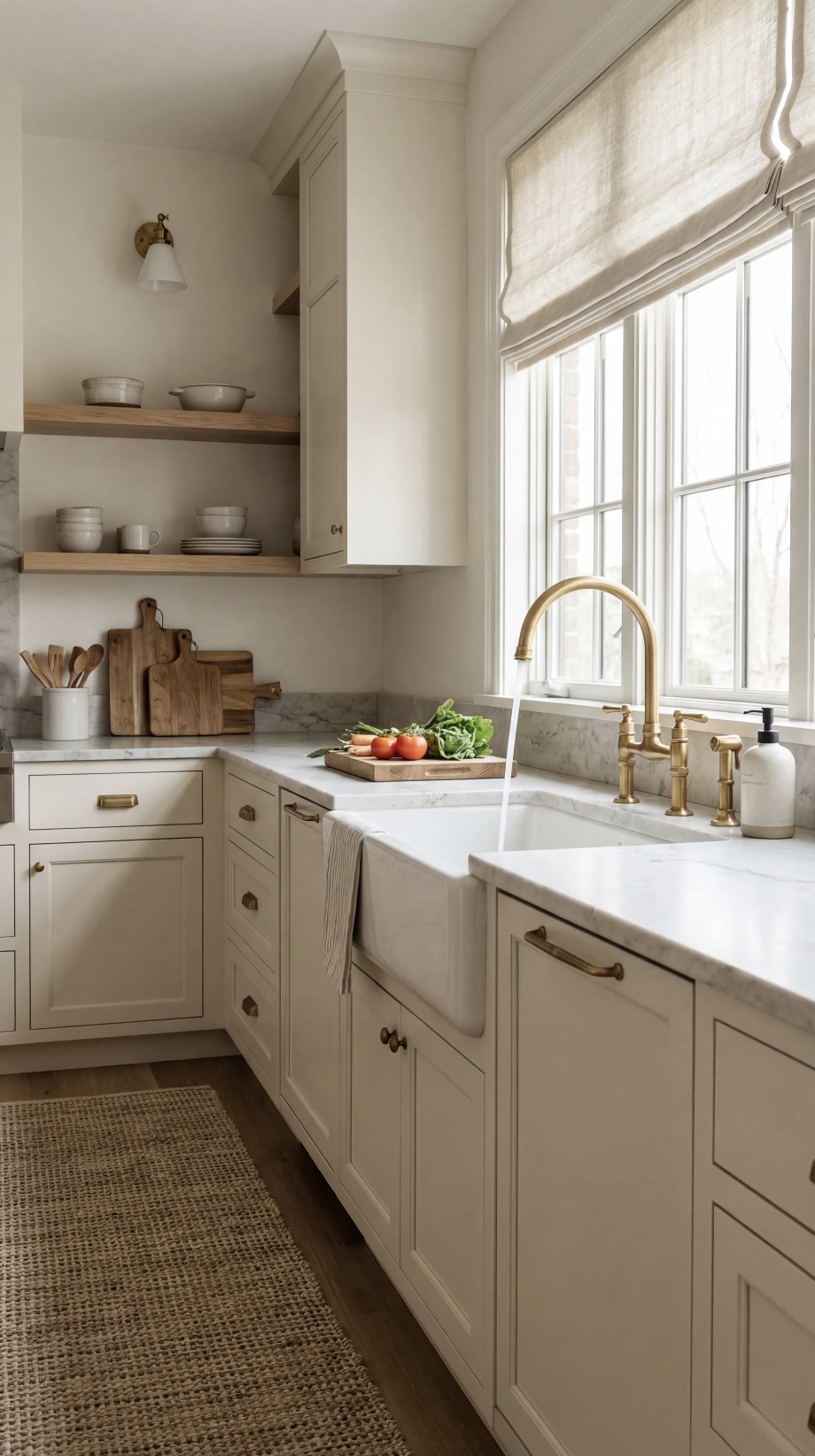
Before you clean, decorate, or unpack anything, turn on the water.
If the house was vacant for any length of time, water can sit stagnant in the pipes and sediment can settle inside supply lines. This affects taste, smell, and sometimes pressure. It can also hide small leaks that only show up once the system is fully flowing again.
Run every faucet in the house for 30 to 45 minutes. Flush all toilets several times. Run the dishwasher empty on a hot cycle and do the same with the washing machine.
While you do this, take a flashlight and look under every sink. This is much easier before cabinets are full. You may notice aerators sputtering at first. That is normal. A small faucet aerator key makes it easy to remove and rinse those screens if debris shows up.
This simple step clears out old water and lets you spot problems early, when fixing them is straightforward.
Find and Label Shut Offs Before You Need Them
Every house has at least three critical shut offs: water, electricity, and sometimes gas.
You do not want to be searching for these for the first time during an emergency.
Before furniture blocks access, locate the main water shut off, the gas shut off if you have one, and the electrical main breaker. Make sure valves actually turn and breakers are clearly visible.
This is one of those moments where a basic label maker earns its keep. Clear labels save time, reduce panic, and help anyone else in the house act quickly if needed. Some people also like to add bright shut off tags so valves are impossible to miss.
You may never think about this again, which is exactly the point.
Clean the House While It Is Empty
Cleaning an empty house is faster and more effective than cleaning around furniture.
Instead of chasing perfection, focus on places that are difficult to reach later. Inside cabinets and drawers. Closet floors. Baseboards. Window tracks. Behind appliances.
A vacuum with a crevice tool and a stack of microfiber cloths will do most of the work. You do not need specialty cleaners for this. The goal is simply to remove dust and debris before your belongings arrive.
Starting with a clean baseline makes everyday maintenance easier and prevents that lingering “old house” feeling.
Replace Small Parts That Cause Big Damage When They Fail
Some of the most destructive home failures come from the smallest components.
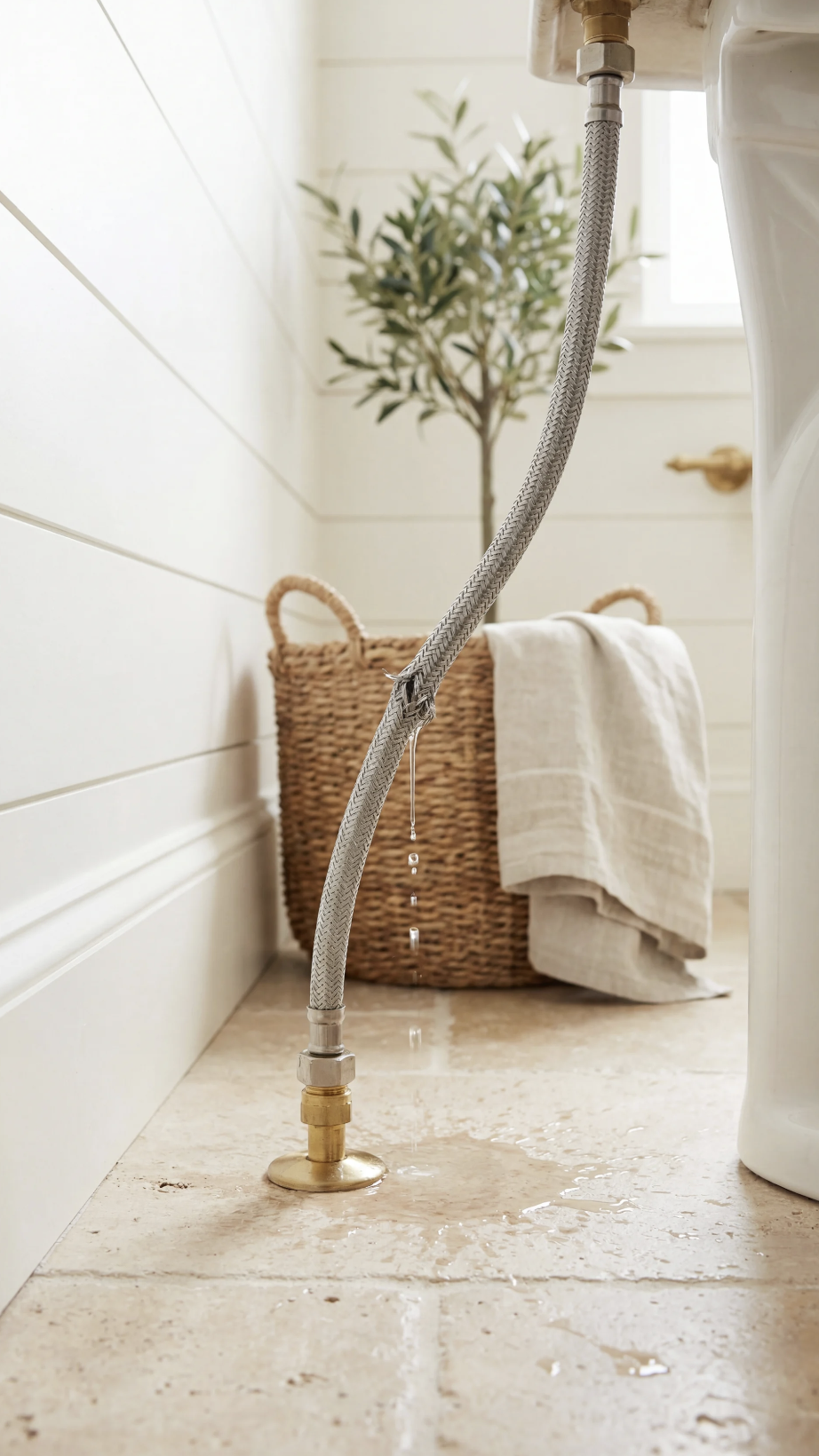
Toilet supply lines are a perfect example. These hoses sit under constant pressure, and when they fail, they do not drip… they spray. Replacing older plastic or rubber lines with braided stainless steel versions takes minutes and costs very little compared to the damage they can cause.
The same applies to washing machine hoses and cheap plastic shut off valves under sinks. If they look brittle or outdated, now is the time to upgrade them while access is easy and nothing is in the way.
A simple adjustable wrench is usually all you need for these swaps.
Check Doors, Windows, and Locks Before Furniture Blocks Them
Before couches and beds get pushed against walls, take the time to open and close every door and window.
Notice anything that sticks, rattles, or does not latch smoothly. Loose hinges and misaligned strike plates are common and easy to fix early. A screwdriver set and a quick squirt of silicone spray lubricant can solve most of these issues in minutes.
Locks should turn smoothly without resistance. Windows should lock fully and seal properly.
These are the kinds of annoyances people live with for years simply because they never stop to address them early.
Inspect Bathrooms With a Maintenance Mindset
Bathrooms are where moisture problems hide.
Before unpacking, look under sinks for any signs of dampness. Check the caulk around tubs, showers, and backsplashes. If it looks cracked or separated, replacing it now is far easier than dealing with water damage later.
If old caulk needs to come out, a dedicated caulk removal tool makes the job cleaner and faster. When reapplying, one hundred percent silicone caulk is worth using in wet areas because it resists moisture better over time.
Turn on bathroom exhaust fans and listen. If they sound weak or noisy, they may need cleaning or replacement.
Change HVAC Filters Immediately
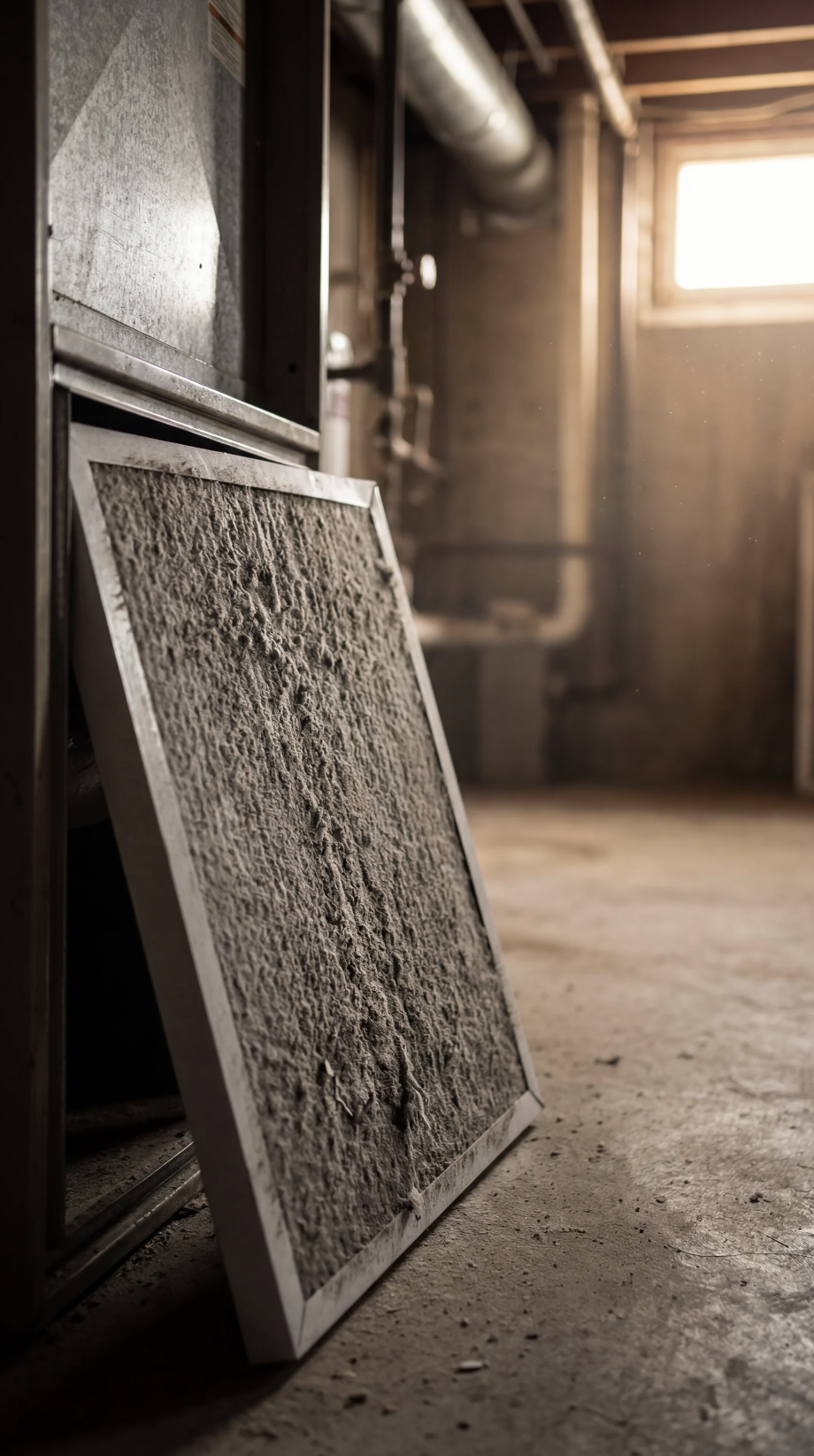
Never assume the previous owners replaced the HVAC filter before moving out.
Dirty filters restrict airflow, strain your system, and circulate dust throughout the house. Replacing them right away improves air quality and gives you a clean starting point.
Check the size printed on the old filter and install a new one rated for your system. Some homeowners prefer washable filters, while others stick to disposable ones. Either is fine as long as you maintain them consistently.
This is one of the fastest ways to make a house feel fresher on day one.
Test Safety Devices the Right Way
Before boxes block hallways and ladders, test all smoke detectors and carbon monoxide detectors properly.
Pressing the test button is only part of the process. Check the manufacture date on the back of each unit. Detectors older than seven to ten years should be replaced, even if they still beep.
In kitchens and bathrooms, use an outlet tester with a GFCI function to confirm outlets trip and reset correctly. This takes seconds and ensures built in safety features are actually working.
This is not about code compliance, it is about peace of mind.
Look in the Places You Will Rarely Check Again
Take advantage of the empty house to look in areas most people avoid once settled.
Step into the attic and look for signs of moisture or blocked vents. Walk through the basement and note any damp spots. Check utility rooms for loose wiring or plumbing connections.
A headlamp or rechargeable work light keeps your hands free and makes this much easier. A basic moisture meter can also help confirm whether suspicious areas are actually damp or just discolored.
You are not diagnosing everything just familiarizing yourself with the house.
Install Small Preventative Upgrades Now
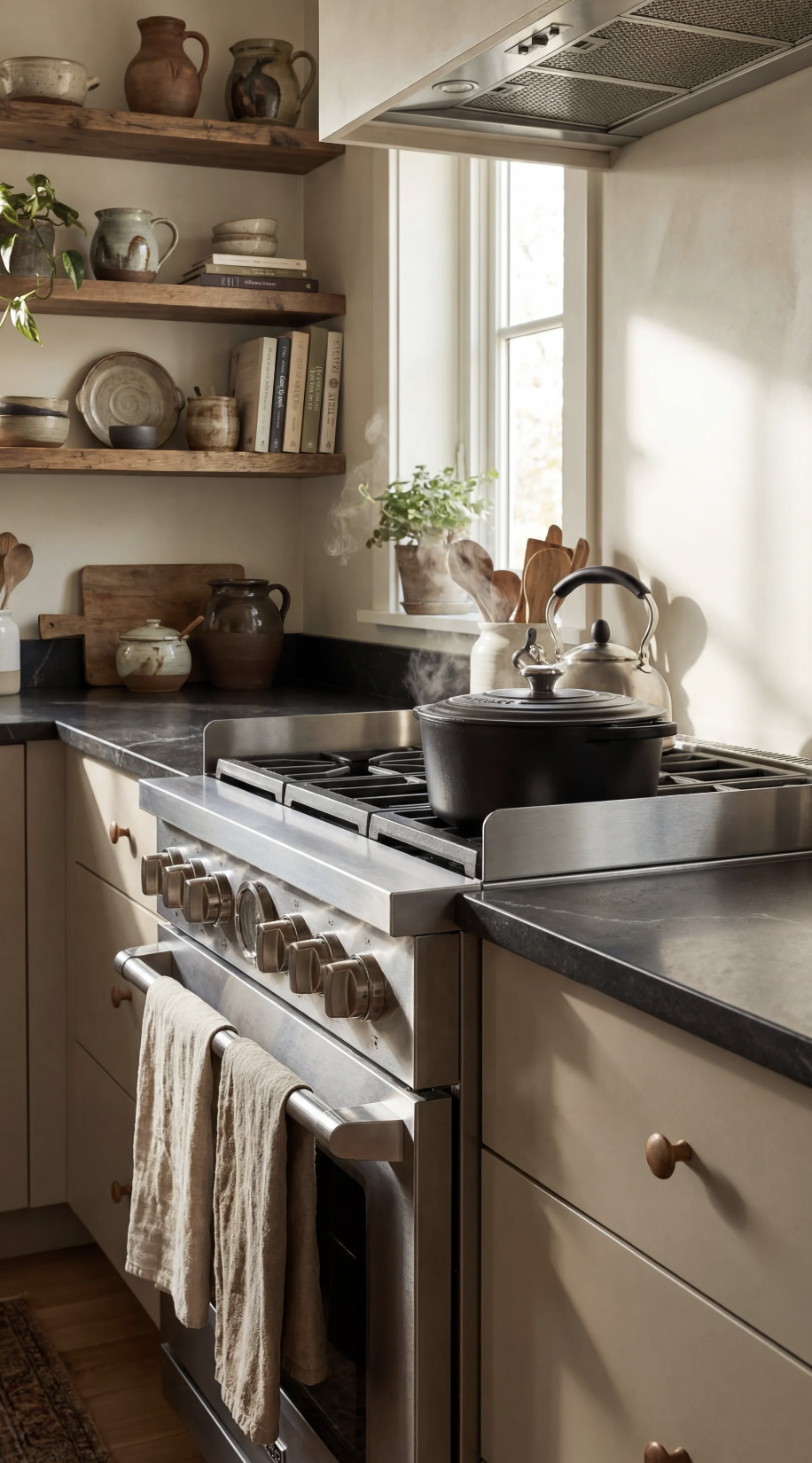
This is the perfect moment to install simple upgrades that prevent messes and frustration later.
Drop hair catchers into shower drains before the first clog happens. Slide oven gap guards into place so food never falls between appliances. Place absorbent mats at entryways and sinks to manage moisture from day one.
Some people also line the tops of kitchen cabinets with aluminum foil or reusable liners to catch grease and dust. When buildup appears, you remove the liner instead of scrubbing for hours.
These are small moves that quietly improve daily life.
Learn the Electrical Panel Before You Need It
Open the electrical panel door and take a look. You do not need to touch anything.
Check that breakers are clearly labeled. If they are not, now is the time to fix that while access is easy and the house is quiet. A label maker and a non contact voltage tester can help identify circuits safely.
Knowing which breaker controls what makes future upgrades and repairs much less intimidating.
Walk the House With Intention One Last Time
Before you unpack, do one slow walk through. Notice outlet placement, lighting coverage, storage areas, and natural traffic flow. This helps you decide where furniture actually belongs instead of reacting later.
It is easier to make good layout decisions when nothing is in the way.
Moving into a new house feels like a race to get comfortable. But the steps that make a home truly easy to live in are often the ones you take before comfort sets in. Most of what you just read takes very little time or money. What it gives you is clarity, fewer surprises, and a house that feels like it started on the right foot.
You do not need to do everything perfectly. You just need to take advantage of the one moment when access is easy and mistakes are cheap.
That is how you turn a new house into a well run home.