
10 Home Systems You Should Check Every 6 Months
Most home problems do not appear overnight. They build slowly. Quietly. Behind walls. Under floors. Inside systems that keep working just well enough that you do not notice something is off. That’s why checking certain home systems every six months is one of the smartest habits a homeowner can build.
Not because something is wrong. But because you want to keep it that way. You do not need a contractor to do this. You just need awareness, a flashlight, and a willingness to look before something fails. Here are ten home systems worth checking twice a year and what to look for in each one.

1. HVAC System and Airflow
Your heating and cooling system runs harder than almost anything else in your house.
Every six months, at minimum:
Replace the HVAC filter. Even high quality pleated filters eventually clog with dust and restrict airflow. A clogged filter forces your system to work harder, which increases energy use and shortens lifespan.
While you are at it, remove and vacuum return air grilles and vents. Dust buildup restricts circulation more than people realize. If you want to go one step further, check visible duct connections in unfinished spaces to make sure they are secure and sealed.
Airflow affects comfort, energy bills, and system longevity. It is one of the easiest wins in home maintenance.
2. Sump Pump System
If you have a basement, your sump pump is a quiet guardian.
Every six months, pour a bucket of water into the sump pit. The pump should activate quickly and discharge water efficiently.
If it hesitates or does not turn on, check the float switch for obstruction. Many homeowners also install a water level alarm near the sump pit. It is a simple device that alerts you if water rises unexpectedly. Battery backup systems are also worth considering, especially in areas prone to heavy storms.
A sump pump only matters when you need it. That is why testing it ahead of time matters.
3. Washing Machine Hoses and Shutoffs
Laundry rooms flood more often than most people expect.
Inspect washing machine hoses for bulging, cracking, or corrosion at fittings. If you are still using older rubber hoses, replacing them with braided stainless steel washing machine hoses significantly reduces burst risk.
Also test the water shutoff valves to make sure they turn smoothly. Valves that have not been touched in years often seize up when you actually need them. This is one of the simplest checks that prevents major water damage.
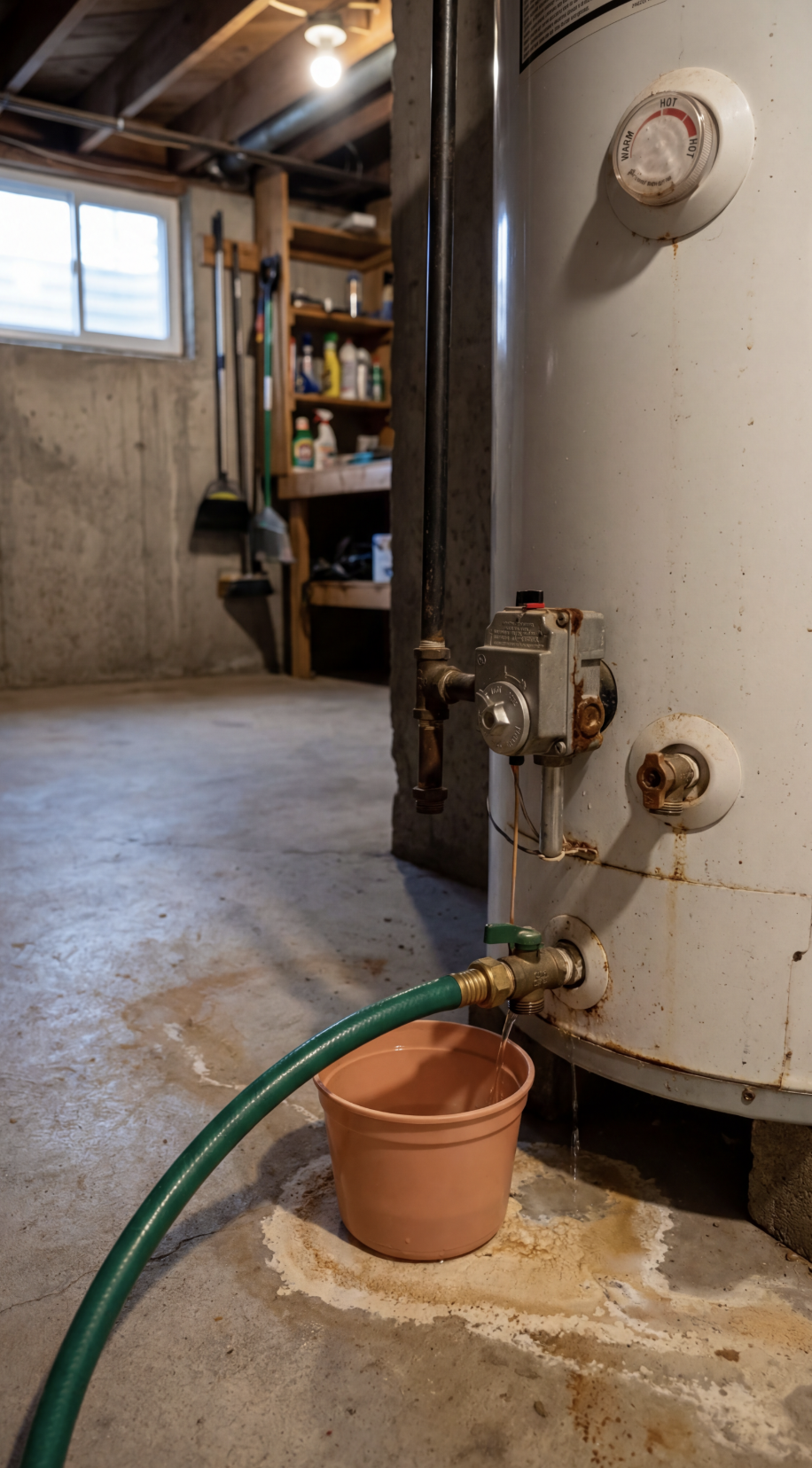
4. Water Heater
Water heaters fail quietly until they do not.
Twice a year, check around the base for moisture, rust flakes, or corrosion around fittings.
If you have a tank style water heater, draining a few gallons from the bottom valve helps remove sediment buildup. A simple garden hose is all you need for this task. Also check the temperature setting. Extremely high settings increase wear and energy use without improving performance. Your water heater works every day. A small amount of attention keeps it working longer
5. Gutters and Downspouts
Water control starts at the roofline. Clean gutters and ensure downspouts are firmly attached and draining away from the foundation.
Look for:
Loose brackets
Rust at seams
Water staining along siding
If water pools near the house, simple downspout extensions can redirect it safely away from the foundation. Gutters do not need to look perfect. They just need to move water correctly.
6. Exterior Caulking and Seals
Exterior gaps invite moisture, pests, and energy loss.
Walk around your home and inspect caulking around:
Windows
Doors
Siding joints
Utility penetrations
If you see cracking, separation, or peeling, remove failing sections and apply a high quality exterior grade caulk. Caulk is not glamorous. But it quietly protects your home’s structure.
7. Smoke and Carbon Monoxide Detectors
These systems protect life, not just property. Test each unit twice a year. Replace batteries if needed.
If detectors are approaching ten years old, replace them entirely. Most modern units include sealed long life batteries and combination smoke and carbon monoxide detection.
It takes minutes to check. But it matters more than almost anything else on this list.
8. Bathroom Ventilation
Bathrooms create moisture. Moisture creates damage.
Turn on each exhaust fan and hold a piece of tissue near the grille. It should pull upward with noticeable force. If airflow feels weak, remove the cover and vacuum dust buildup from the fan housing. In older homes, upgrading to a quieter, higher capacity bathroom exhaust fan can significantly improve moisture control and reduce long term mold risk. Ventilation is prevention.
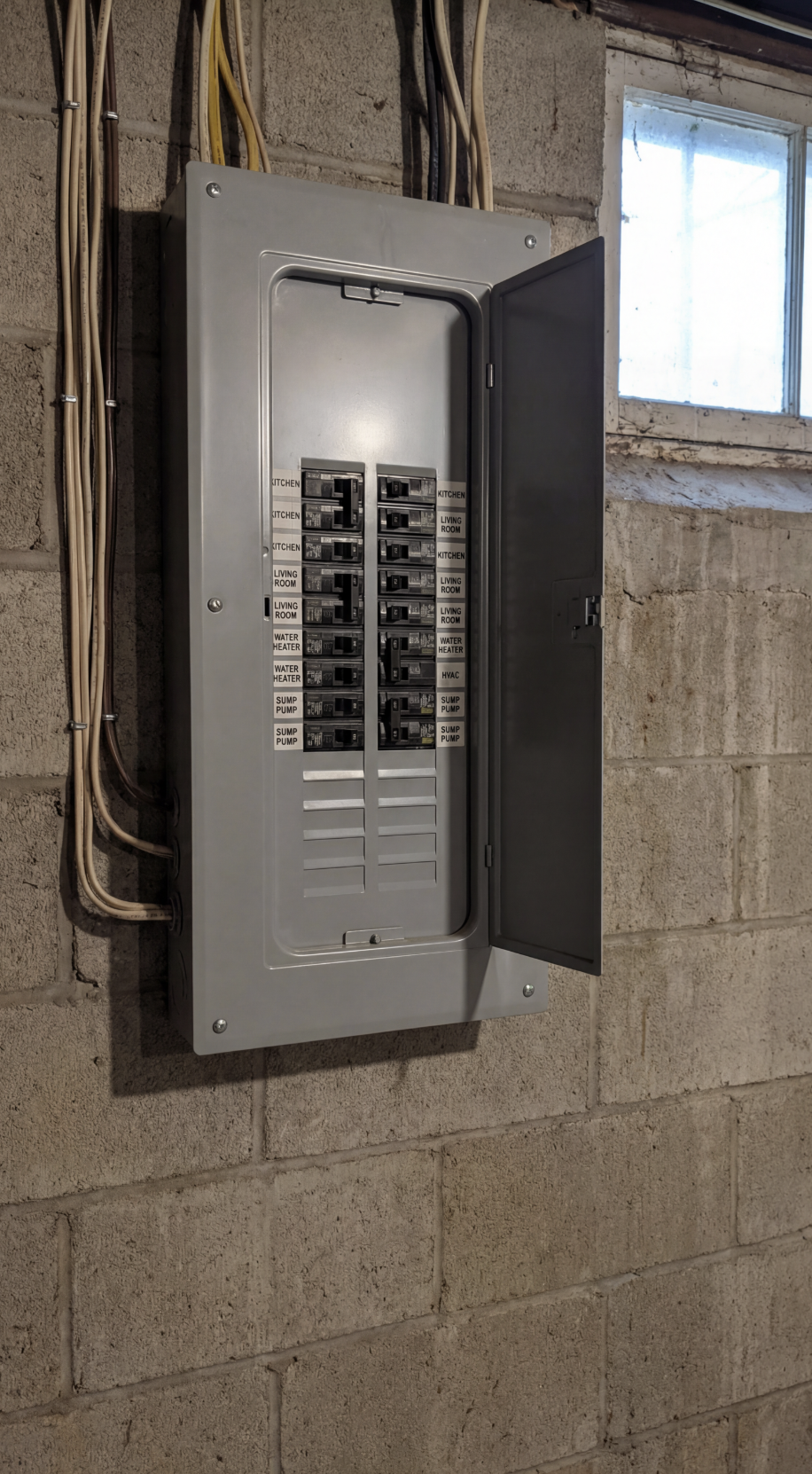
9. Electrical Panel and Visible Wiring
You do not need to open wiring connections to inspect your electrical system responsibly.
Open your panel and look for:
Tripped breakers
Loose labeling
Signs of rust or moisture
If labeling is unclear, take time to identify circuits properly. A simple circuit breaker label kit helps keep things organized and easier to manage in an emergency. Also check visible wiring in unfinished basements or garages for signs of damage or unsecured runs. Electrical systems should look clean, organized, and dry.
10. Doors, Windows, and Weatherstripping
Air leaks cost money and reduce comfort. Check door and window seals for cracks or flattened foam. Replace worn weatherstripping to improve insulation. Inspect window tracks for dirt buildup that prevents smooth operation. Clean tracks with a vacuum and damp cloth. If doors stick or rub, adjust hinges before humidity worsens the problem. Comfort often comes down to small sealing details.
Why Six Months Matters
Six months is short enough to catch small problems. Long enough to avoid unnecessary obsession. You are not trying to maintain perfection. You are maintaining awareness.
When you check these systems consistently:
You reduce emergency repairs.
You extend equipment lifespan.
You lower energy use.
You improve safety.
And most importantly, you remove uncertainty. Homeownership feels heavy when things feel unknown. It feels lighter when you know everything is functioning as it should. These systems do not ask for much. Just attention. Twice a year