
15 Designer Tricks That Make Any Room Feel Expensive
(Without a Full Renovation or a Huge Budget)
When a room feels expensive, it usually is not because everything in it cost a fortune.
It feels expensive because it feels intentional.
There is balance. There is structure. There is visual calm. Nothing looks accidental. Nothing looks rushed.
Designers understand that expensive is less about price and more about proportion, scale, material choice, and restraint.
Here are 15 designer tricks that consistently elevate a room without requiring a remodel.
1. Raise Your Curtain Rods Higher Than You Think
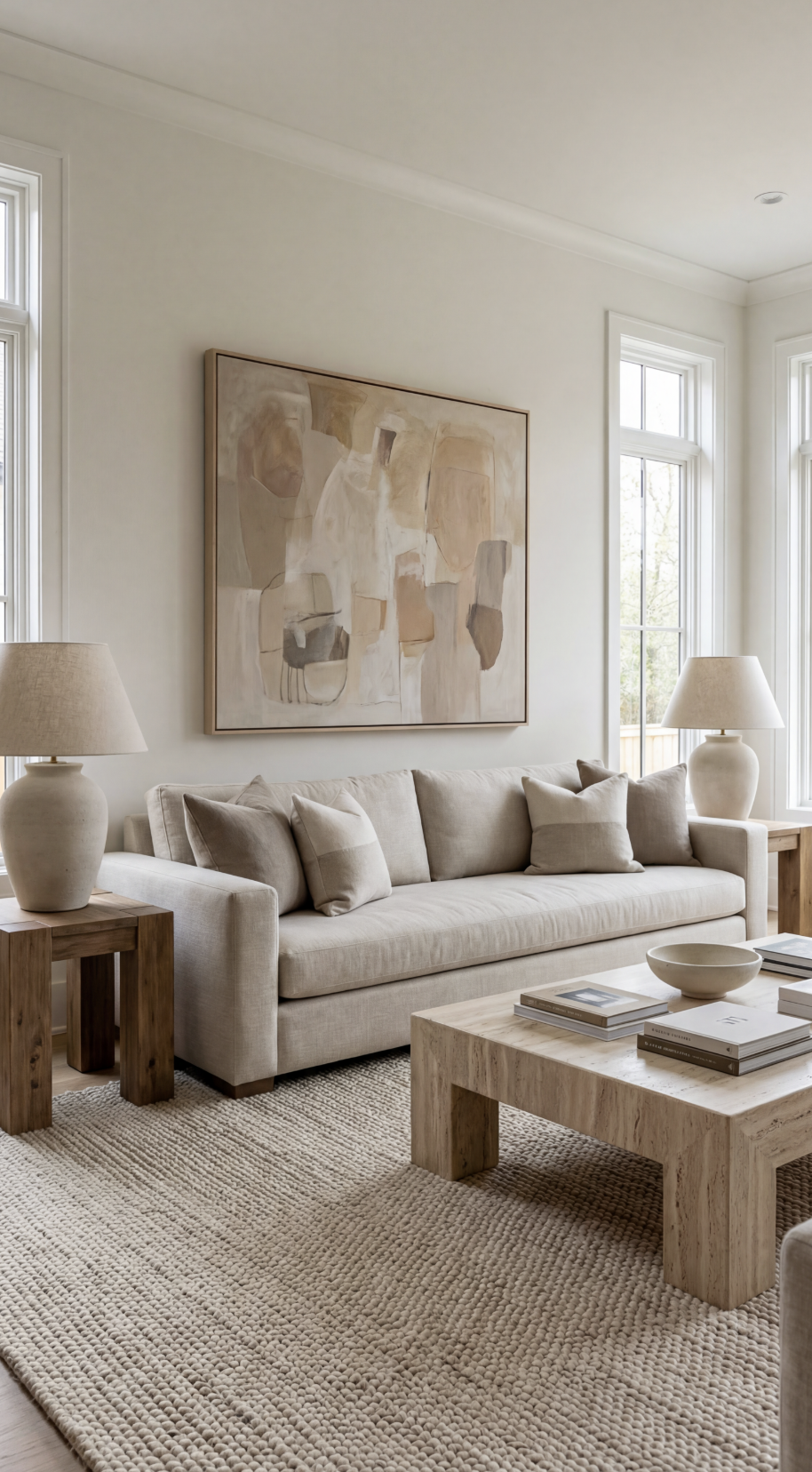
One of the fastest ways to make a room look more expensive is to hang curtains higher.
Instead of placing curtain rods directly above the window frame, mount them closer to the ceiling and extend them wider than the window itself.
This creates height and makes windows feel larger.
Use sturdy curtain rods with substantial brackets. Thin, flimsy rods immediately cheapen the look. Linen or textured neutral curtain panels also elevate the space far more than shiny synthetic fabrics.
Height creates drama. Drama feels custom.
2. Upgrade Light Fixtures Before Anything Else
Lighting changes everything.
Builder grade flush mounts instantly date a room. Replacing even one high visibility fixture, such as the entry light or dining room fixture, shifts the tone of the entire home.
Look for simple statement lighting with clean lines. A modern chandelier, a sculptural pendant, or a well scaled flush mount makes the space feel curated.
Matching warm LED bulbs throughout the home also makes a huge difference. Inconsistent color temperatures create visual chaos.
Lighting is mood. Mood feels expensive.
3. Use Larger Rugs Than You Think You Need
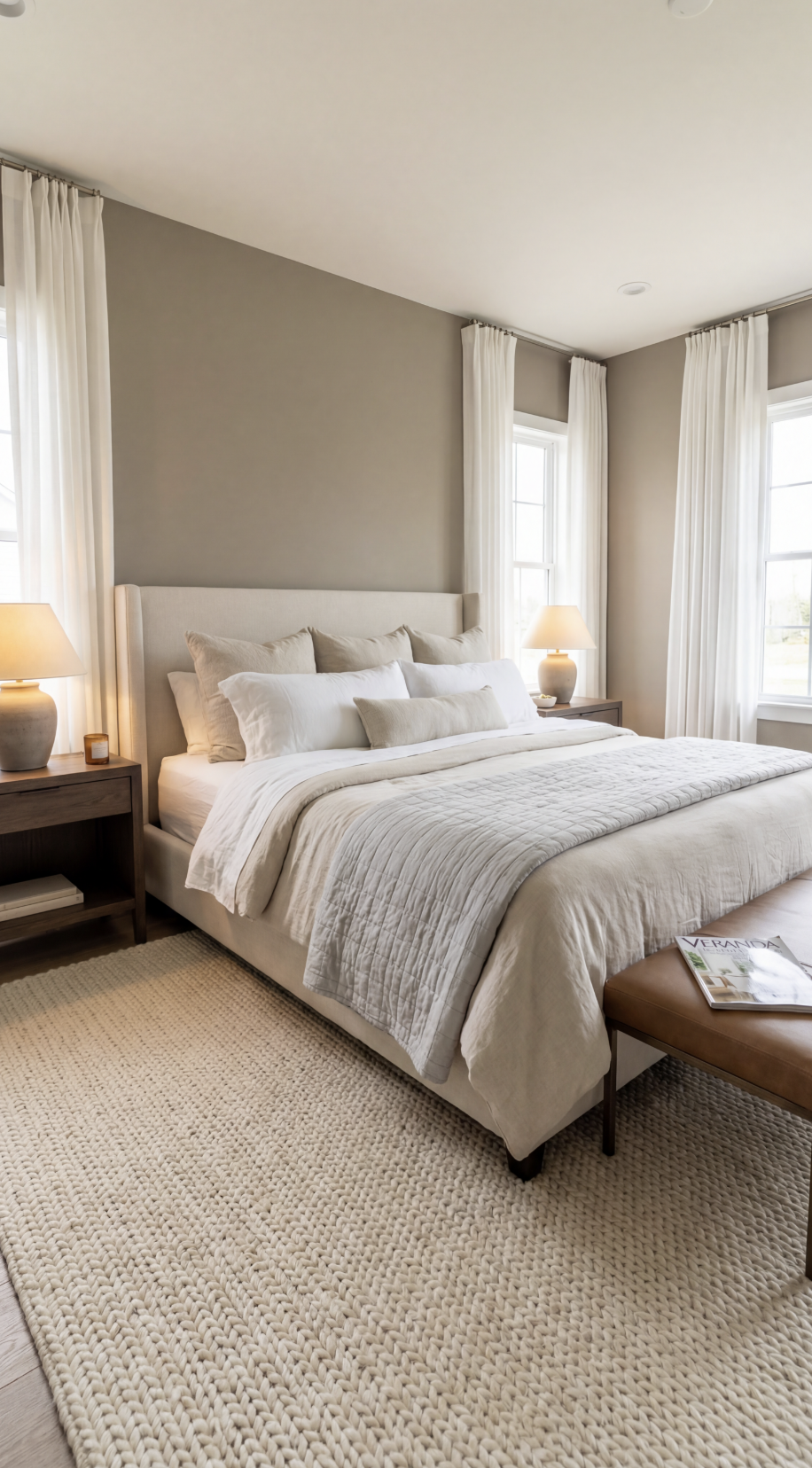
Undersized rugs make furniture look disconnected.
In a living room, at least the front legs of furniture should sit on the rug. In dining rooms, the rug should extend beyond the chairs even when pulled out.
Large area rugs anchor the space and create cohesion.
Natural fiber rugs or low pile wool blends often look more refined than overly patterned options.
Proportion matters more than pattern.
4. Add One Oversized Mirror
An oversized mirror reflects light and expands a room visually.
Instead of multiple small decorative mirrors, choose one substantial piece.
A large arched mirror in a living space or a tall leaning mirror in a bedroom adds architectural weight.
Thin metal frames or simple wood frames tend to look more elevated than ornate designs.
Scale is sophistication.
5. Replace Cabinet Hardware
Hardware is jewelry for cabinetry.
Outdated knobs and pulls date kitchens and bathrooms instantly.
Swapping them for modern cabinet pulls in matte black, brushed brass, or polished nickel changes the entire feel without replacing cabinets.
Look for solid metal hardware. Lightweight hollow pieces feel inexpensive in hand.
Small details communicate quality.
6. Use Fewer, Larger Decor Pieces
Clutter reads as cheap.
Instead of filling shelves with many small objects, choose fewer, larger pieces.
Large ceramic vases, stacked books with neutral covers, sculptural objects, or framed art with wide mats create breathing room.
Negative space feels confident.
Confidence feels expensive.
7. Add Texture, Not More Color
Expensive rooms often use restrained color palettes.
Instead of adding more colors, layer textures.
Think:
Linen throw pillows
Chunky knit blankets
Textured ceramic lamps
Woven baskets
Wood trays
A textured throw blanket over a sofa adds depth without overwhelming the palette.
Texture creates dimension without chaos.
8. Paint Trim and Doors Fresh White
Crisp trim frames a room.
Scuffed or yellowed trim subtly lowers the perceived quality of a space.
Refreshing baseboards, door frames, and interior doors with high quality trim paint sharpens everything.
Using paintable caulk to fill gaps before painting ensures a clean finish.
Clean lines elevate a room more than trendy decor.
9. Install Dimmer Switches
Lighting flexibility instantly increases sophistication.
Installing simple dimmer switches in living rooms, bedrooms, and dining areas allows you to control mood.
This is an inexpensive upgrade that dramatically changes how a room feels at night.
Soft light equals ambiance.
Ambiance equals elevated.
10. Frame Art Properly
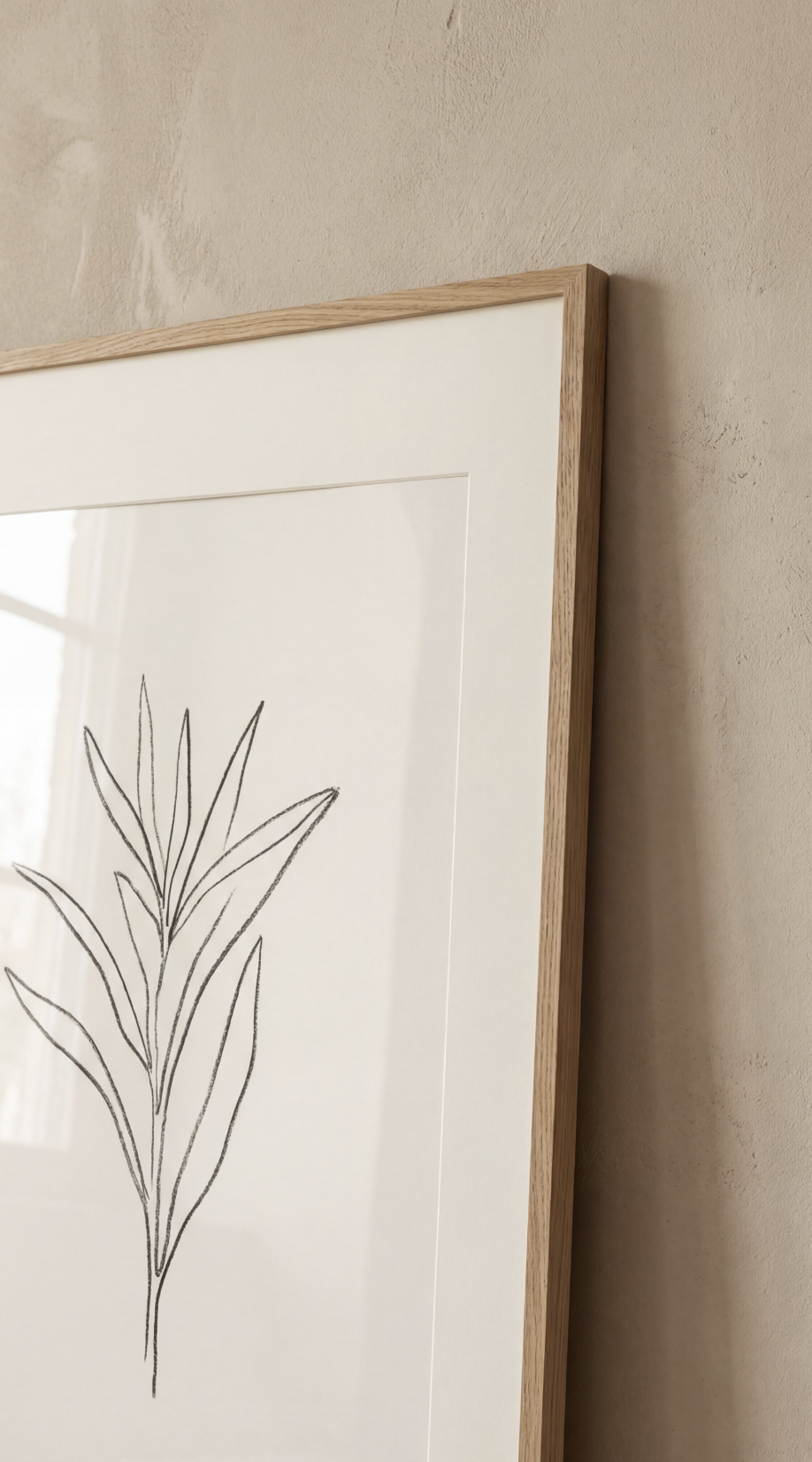
Art without proper framing can feel temporary.
Large frames with wide mats make even simple prints feel gallery worthy.
Instead of many small frames, choose fewer larger pieces.
Black or natural wood frames typically look timeless.
The goal is structure, not clutter.
11. Hide Cords and Visual Noise
Visible cords instantly reduce perceived quality.
Use cord management kits, cable raceways, or discreet power strips to hide wiring.
Even organizing charging stations into a small tray instead of letting cables spread across surfaces changes the feel of a room.
Clean sight lines feel intentional.
12. Use Matching Storage Containers
Open shelving looks elevated when storage is consistent.
Matching woven baskets, glass canisters in kitchens, or coordinated closet storage bins create cohesion.
Mixed, mismatched plastic bins do the opposite.
Uniformity communicates design, not improvisation.
13. Upgrade Interior Door Handles
Interior door knobs are often overlooked.
Replacing outdated brass knobs with modern lever handles or matte black hardware creates subtle cohesion throughout the home.
This upgrade touches every room and quietly elevates the entire space.
It is one of the most cost effective whole home upgrades available.
14. Add One Architectural Element
A room feels expensive when it has depth.
You do not need major construction.
Simple upgrades like:
-Wall molding kits
-Picture frame trim
-Board and batten
-Floating wood shelves
Even installing simple floating shelf brackets and solid wood shelves adds dimension and makes walls feel intentional.
Architecture creates permanence.
15. Edit Before You Add
This may be the most important trick of all. Expensive rooms are edited.
They are not over decorated. Before buying anything new, remove something. Pull back excess decor. Simplify shelves. Clear surfaces.
Often the most elevated version of your room is the one with less in it. Restraint is a luxury.
The Real Secret
Expensive looking spaces are not about price tags.
They are about:
Scale
Proportion
Material quality
Cohesion
Lighting
Restraint
You do not need to change everything.
Start with:
Lighting
Hardware
Rug scale
Curtain placement
Those four alone can transform a room. Design is not about adding more. It is about making smarter choices once