
15 Home Maintenance Tasks Most Homeowners Overlook
And How To Actually Do Them Without Feeling Overwhelmed
Most homeowners do not skip maintenance because they are careless.
They skip it because no one ever explained what actually matters, why it matters, or how small tasks quietly prevent big problems.
Most home issues do not start with dramatic failures.
They build slowly behind walls, under appliances, or in places you rarely look until one day they are suddenly expensive.
The good news is that most of the things that protect your home are simple, affordable, and do not require special skills.
Below are 15 home maintenance tasks that get overlooked all the time, along with exactly how to do them and products that make each one easier.
Think of this less like a to do list and more like a way to stay ahead of problems instead of reacting to them.

1. Flushing Your Water Heater
If you have ever heard popping or rumbling noises from your water heater, that is sediment.
Over time, minerals from your water settle at the bottom of the tank, forcing the heater to work harder and shortening its lifespan.
This task sounds technical, but it is straightforward.
How often: Once a year
How to do it:
1. Turn off power or gas to the heater
2. Attach a garden hose to the drain valve
3. Run the hose to a floor drain or outside
4. Open the valve and let the tank flush until the water runs clear
Replacement Parts:
2. Finding and Labeling All Shut Off Valves
This is something you do not think about until you really need it.
If a pipe bursts or a gas smell appears, knowing where to go can save thousands of dollars.
How often: Once when you move in, then review yearly
What to do:
1. Locate the main water shut off
2. Find the gas shut off if applicable
3. Locate the electrical main breaker
4. Label each one clearly
Helpful tools:
- Waterproof label maker
- Emergency shut off tags
3. Cleaning Sink Overflow Drains
That small hole near the top of your sink is not decorative. It is usually full of soap scum, bacteria, food debris, and odor.
How often: Every 3 to 6 months
How to do it:
1. Use a foam drain cleaner designed for overflow drains
2. Insert the nozzle into the overflow hole
3. Let the foam expand and break down buildup
4. Rinse thoroughly
Useful tool:
- Overflow Drain Cleaner
4. Vacuuming Refrigerator Coils
Your fridge runs nonstop. Dust covered coils force it to work harder, raising energy bills and shortening compressor life.
How often: Every 6 to 12 months
How to do it:
1. Pull the fridge away from the wall
2. Remove the lower vent panel
3. Vacuum the coils gently
Helpful tools:
- Refrigerator coil cleaning brush
- Vacuum crevice attachment
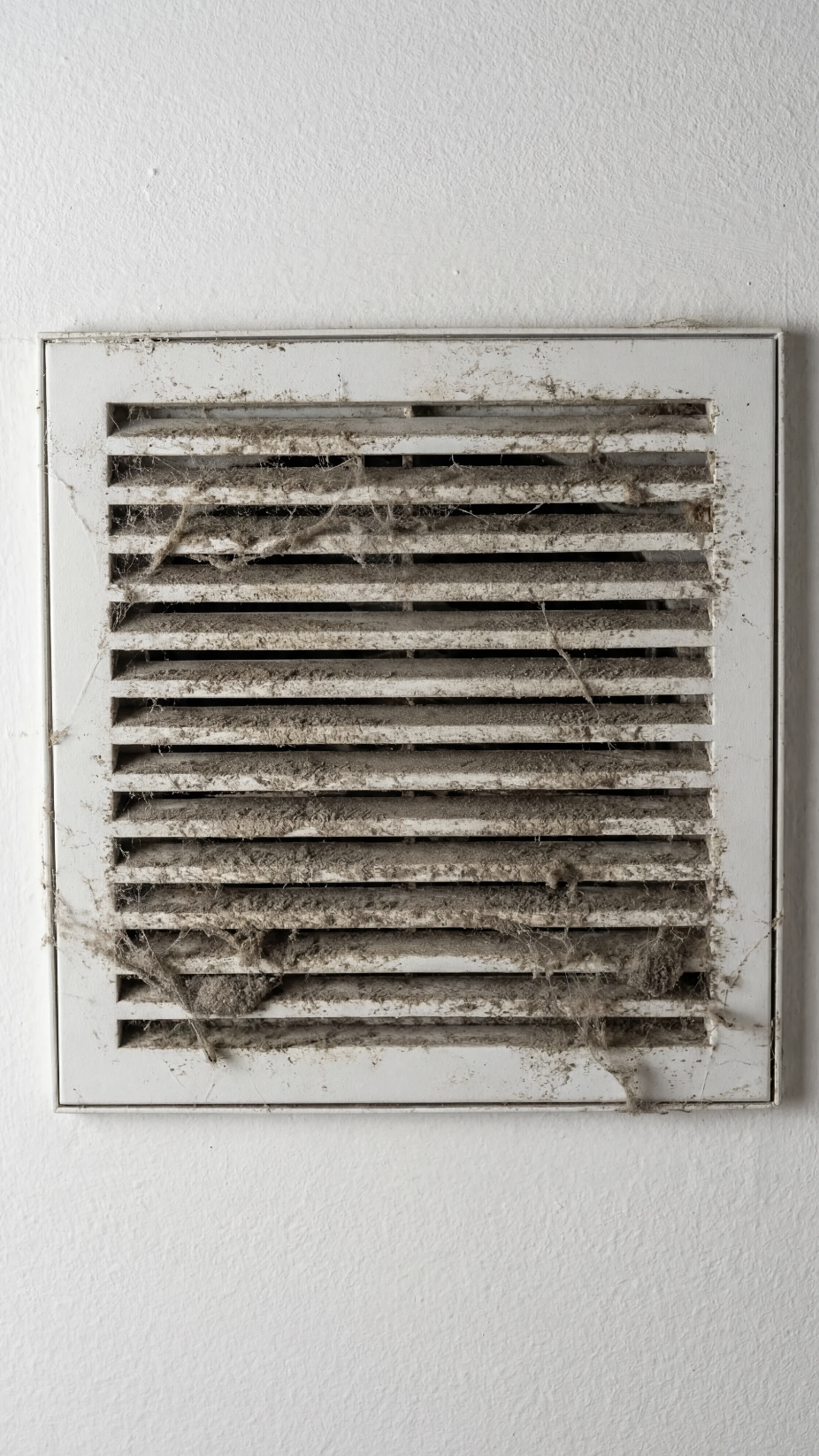
5. Cleaning Bathroom Exhaust Fans
Bathroom fans remove moisture. When they clog with dust, they stop doing their job quietly, leading to mold and peeling paint.
How often: Once per year
How to do it:
1. Turn off the breaker
2. Remove the fan cover
3. Vacuum dust from blades and housing
Helpful product:
- Microfiber cleaning cloths
6. Inspecting Caulk Around Wet Areas
Caulk is not permanent. Over time it dries, cracks, and pulls away.
Water entering behind walls or cabinets causes damage long before you see it.
How often: Inspect twice per year
What to look for:
1. Cracks
2. Gaps
3. Peeling or discoloration
Helpful tools:
- Caulk removal tool
- 100 percent silicone kitchen and bath caulk
7. Cleaning Dryer Vent Lines
Cleaning the lint trap is good, but it is not enough. Lint buildup in dryer vents is one of the leading causes of house fires.
How often: Once per year
How to do it:
1. Disconnect the vent hose
2. Use a vent cleaning brush or vacuum
3. Check that the exterior vent opens freely
Helpful products:
- Dryer vent cleaning kit
- Foil dryer vent hose
8. Testing GFCI and AFCI Outlets
These outlets protect against shocks and electrical fires. They can fail silently over time.
How often: Every 3 months
How to do it:
1. Press the test button
2. Confirm power shuts off
3. Press reset
Helpful product:
- Outlet tester with GFCI function
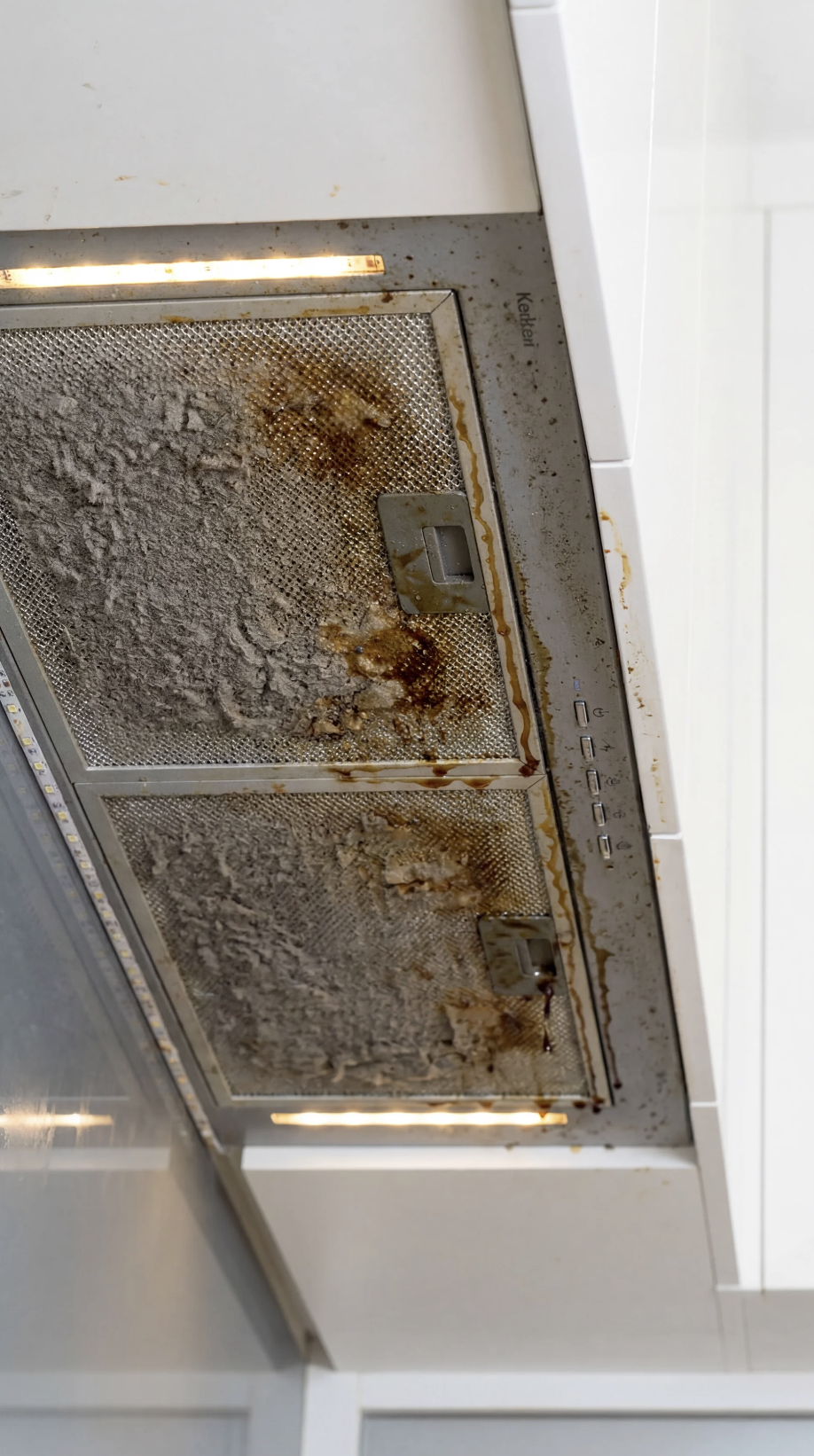
9. Cleaning Range Hood Filters
Grease collects above your stove whether you see it or not. Dirty filters reduce airflow and increase fire risk.
How often: Every 3 to 6 months
How to do it:
1. Remove filters
2. Soak in hot water with degreaser
3. Rinse and reinstall
Helpful products:
- Heavy duty degreaser
- Replacement range hood filters
10. Clearing Hair From Shower Drains
Slow drains are usually caused by hair buildup.
How often: Monthly
How to do it:
1. Use a simple drain hook tool
2. Pull hair and debris out
3. Flush with hot water
Helpful product:
- Hair removal drain tool
11. Inspecting Exterior Hose Bibs
Leaking hose bibs waste water and can freeze, damaging pipes inside walls.
How often: Spring and fall
What to check:
1. Leaks when turned on
2. Worn washers
Helpful products:
- Hose bib repair kit
- Freeze proof hose covers
12. Cleaning Window and Door Tracks
Dirty tracks prevent proper sealing, allowing drafts and moisture inside.
How often: Twice per year
How to do it:
1. Vacuum debris
2. Wipe clean
3. Lightly lubricate tracks
Helpful products:
- Silicone spray lubricant
- Narrow vacuum nozzle attachment
13. Checking Smoke and Carbon Monoxide Detectors
Detectors do not last forever. Older units may not protect you properly.
How often:
1. Test monthly
2. Replace every 7 to 10 years
Helpful product:
- Combination smoke and carbon monoxide detector
14. Inspecting Attics and Crawl Spaces
Moisture problems usually start where you do not look.
How often: Once per year
What to do:
1. Check for stains or damp insulation
2. Look for musty smells
Helpful products:
- Moisture meter
- Rechargeable headlamp
15. Running Water After Moving Into a New Home
When homes sit vacant, water becomes stale and sediment settles in pipes.
How often: Once after moving in
How to do it:
1. Run all faucets for 30 to 45 minutes
2. Flush toilets
3. Run the dishwasher empty
Helpful product:
- Faucet aerator cleaning tool
Final Thoughts
Good home maintenance is not about doing everything. It’s about doing the right things early.
Most of these tasks take less time than a trip to the hardware store and quietly protect the biggest investment most people ever make.
Stay ahead of the small stuff and the big problems rarely show up.