
10 Vital Home Maintenance Tasks You’ll Regret If You Forget
Most home maintenance mistakes are not dramatic. They don’t start with floods, sparks, or alarms.
They start with something small that felt easy to ignore.
A vent that never gets checked.
A valve you meant to locate later.
A task you assumed could wait another year.
And the frustrating part is this: by the time the problem shows up, it feels sudden even though it was quietly building the entire time.
If I had to narrow home maintenance down to the tasks that actually protect a house, these would be the ones. Not because they are complicated, but because skipping them has real consequences.
Think of this list as a conversation with someone who wants you to avoid learning things the hard way.
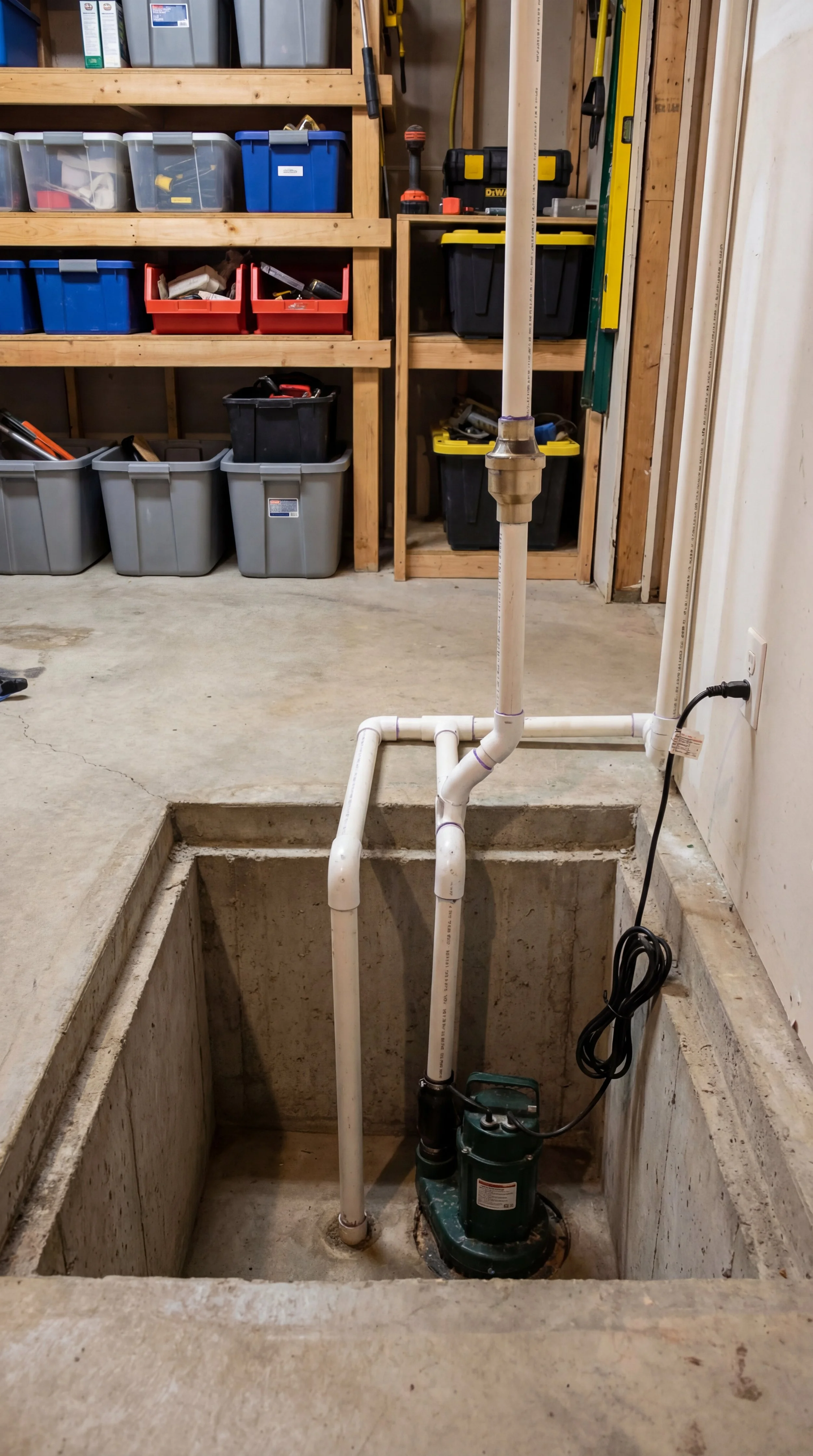
1. Making Sure Your Sump Pump Actually Turns On
A sump pump that looks fine means nothing.
The only thing that matters is whether it turns on when water rises.
Many homeowners assume their sump pump is working simply because it’s plugged in. But pumps can seize, floats can stick, and power connections can fail silently.
The worst part is you usually find out during a heavy rain, when it’s already too late.
Every few months, pour a bucket of water into the pit and physically watch the pump turn on and evacuate water. If it hesitates, sounds strained, or does nothing, that’s your warning.
Useful tools for this task:
- Water level alarm
- Battery backup sump pump
- Smart power failure alarm
2. Cleaning the Top of Cabinets and Appliances
This sounds cosmetic until you actually touch it.
The tops of kitchen cabinets, refrigerators, and tall appliances collect a sticky layer of grease, dust, and airborne cooking residue. Over time, that buildup becomes difficult to remove and can even attract pests.
The hack here isn’t frequent cleaning, it’s making future cleaning easier.
Laying aluminum foil or removable liners on top of cabinets turns a nasty cleanup into a simple swap every few months.
Useful tools for this task:
Heavy duty aluminum foil
You’ll regret ignoring this the first time you try to clean years of buildup by hand.
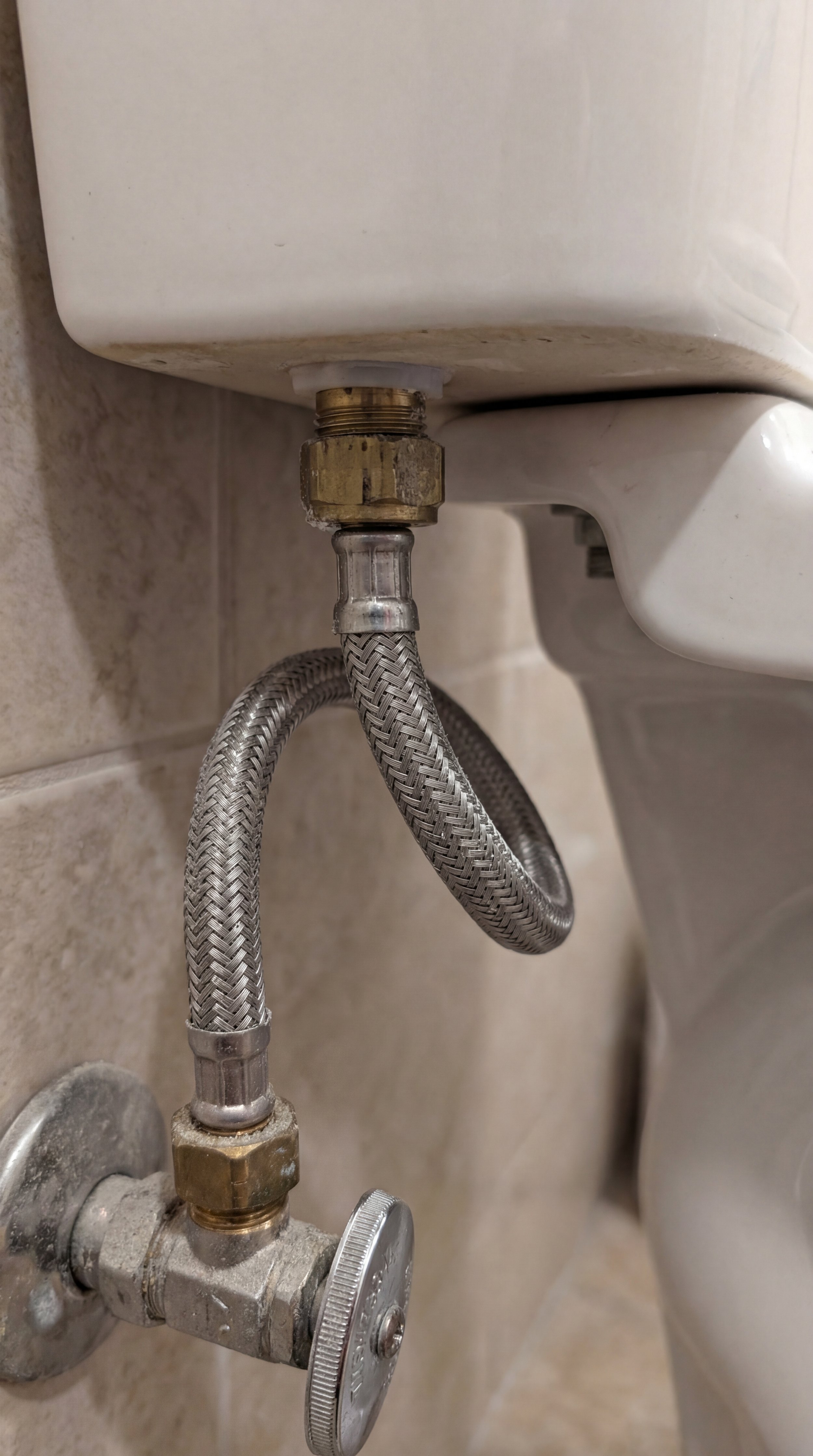
3. Inspecting Toilet Supply Lines Before They Fail
Toilet supply lines are small, flexible hoses that connect your toilet to the water supply. They sit under pressure 24 hours a day, and most people never think about them.
When these fail, they don’t drip… they spray.
Older plastic or rubber lines are especially prone to bursting without warning. Replacing them proactively with braided stainless steel lines is one of the cheapest ways to prevent major water damage.
Useful tools for this task:
- Braided stainless steel toilet supply line
- Adjustable wrench
This is one of those fixes that feels unnecessary until it suddenly isn’t.
4. Testing Floor Drains You Never Use
Basements, laundry rooms, and utility areas often have floor drains that rarely see water. When they dry out, sewer gas can enter the home, causing odors that feel mysterious and hard to track down.
Even worse, debris buildup can clog them without you noticing.
Every few months, pour water into floor drains to keep traps full and flush debris through the line.
Useful tools for this task:
- Drain enzyme cleaner
- Flashlight for inspection
Ignoring floor drains often leads to smells people chase for months.

5. Checking Door and Window Hardware Tightness
Doors that don’t close right and windows that feel drafty are often blamed on settling or age. In reality, loose hinges, worn screws, and misaligned hardware are usually the culprit.
Once hardware loosens, the stress transfers to the door frame itself, which causes bigger alignment issues later.
Tightening screws, replacing stripped fasteners, and lubricating moving parts once a year keeps doors and windows operating properly.
Useful tools for this task:
- Screwdriver set
- Thread locker
- Silicone lubricant spray
This is preventative maintenance people don’t realize they’re skipping.
6. Cleaning the Inside of Your Washing Machine
Washing machines clean clothes, but they don’t stay clean themselves.
Detergent residue, fabric softener, and moisture create buildup inside the drum, hoses, and seals. This leads to odors, poor cleaning performance, and mold growth.
Running a cleaning cycle with a washer cleaner once a month keeps things fresh and extends the life of the machine.
Useful tools for this task:
- Washing machine cleaner tablets
- Microfiber cloth for door seals
This is especially important for front load machines.
7. Inspecting Attic Ventilation, Not Just Insulation
Most homeowners check insulation levels but never look at ventilation.
Poor attic airflow traps heat and moisture, which shortens roof life and leads to condensation issues. This can quietly damage framing and insulation over time.
Once a year, check that soffit vents, ridge vents, or gable vents are not blocked by insulation or debris.
Useful tools for this task:
- Inspection mirror
- Headlamp
Roof problems often start with airflow, not shingles.

8. Making Sure Your Outdoor Grading Still Slopes Away From the House
Soil settles over time.
What once sloped water away from your foundation can slowly turn into a shallow bowl that directs water toward it. This is one of the most common causes of basement moisture issues.
Walk around your home after heavy rain and look at where water pools. Add soil where necessary to restore proper slope.
Useful tools for this task:
- Garden rake
- Topsoil bags
- Landscape tamper
Foundation problems often start outside, not underground.
9. Checking Electrical Panel for Loose or Unlabeled Breakers
You do not need to open the panel or touch wiring to do this safely.
Simply open the panel door and look for missing labels, loose breaker handles, or breakers that don’t feel firmly seated.
If a breaker trips repeatedly or feels loose, it’s worth having it checked before it becomes a larger issue.
Useful tools for this task:
- Label maker
- Non contact voltage tester
Knowing your panel matters more than people think.
10. Replacing Cheap Builder Grade Parts Slowly Over Time
Many homes are built with components that are designed to meet minimum standards, not long term durability.
Plastic shutoff valves
Thin vent covers
Low quality hinges
Cheap bathroom fans
You do not need to replace everything at once. But upgrading these parts gradually prevents failures and improves how your home functions day to day.
Useful tools for this task:
You will never regret replacing weak points before they fail.
Final Thoughts
Most homeowners are not lazy or careless.
They just never get told where problems actually start.
The tasks in this list are not flashy. They do not make for dramatic before and after photos. But they quietly protect your home in ways most people never think about until something goes wrong.
If you stay ahead of these ten things, you eliminate a huge percentage of the headaches homeowners deal with.
That is not about working harder. That is about paying attention to the right details.