
Design Choices That Look Good Now and Age Well Later
(So You’re Not Redesigning Every Five Years)
Design trends move fast.
Scroll through social media long enough and you’ll see it happen in real time. Colors shift. Hardware finishes rotate. Tile patterns explode in popularity and then quietly disappear. What felt fresh two years ago suddenly looks dated.
The problem isn’t trends themselves. The problem is building permanent decisions around temporary excitement.
The homes that age well aren’t the ones that avoided personality. They’re the ones that separated structure from styling. They invested in materials and layouts that stay relevant, then layered in details that can evolve.
If you want a home that feels current now and still feels good ten years from now, here’s how to think about design differently.
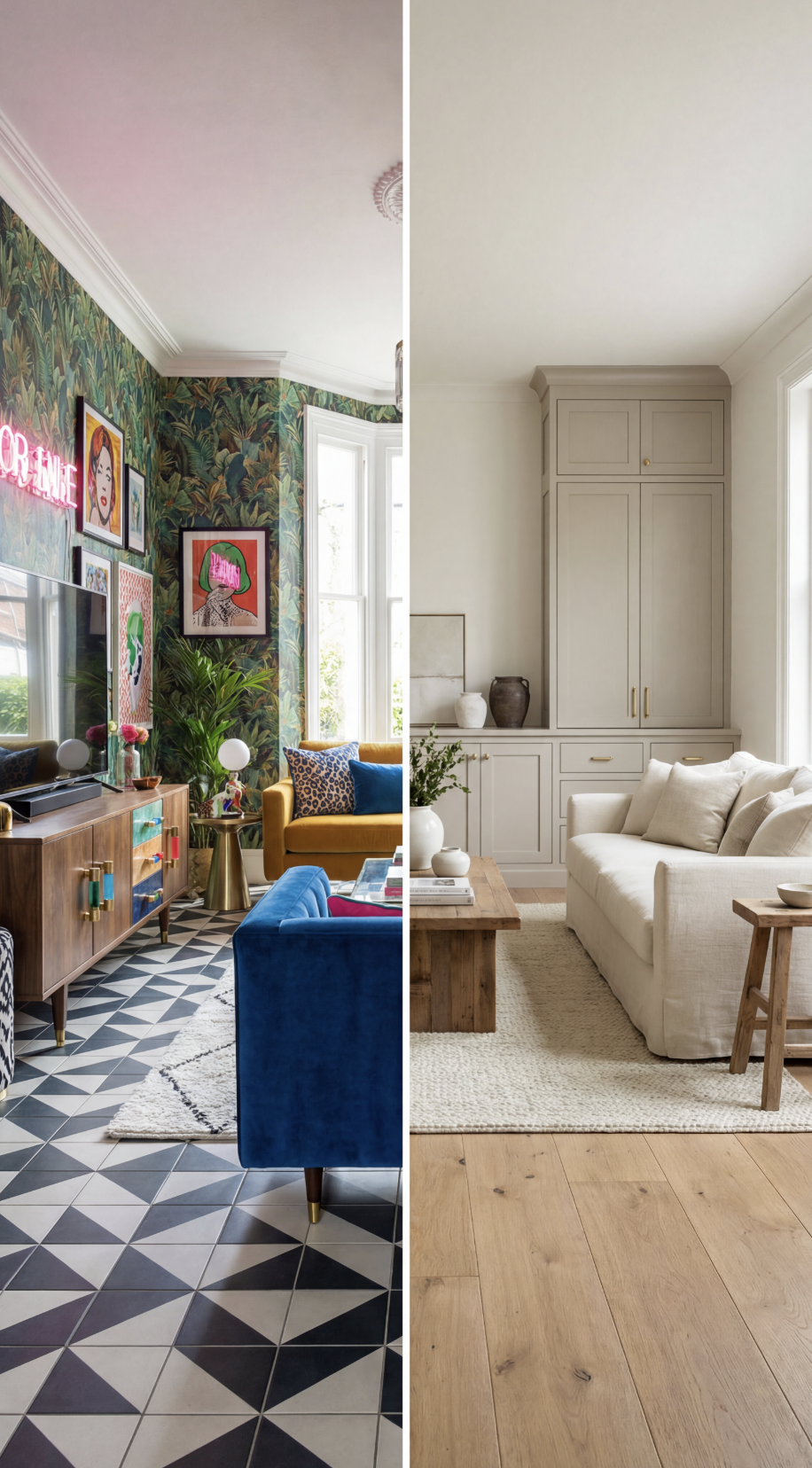
Choose Materials That Improve With Wear
Some materials get tired. Others get better.
Natural wood floors are a perfect example. A quality hardwood floor doesn’t look worse over time — it develops character. Small scratches blend in. Color deepens. It can be refinished instead of replaced. That’s long-term design.
Compare that to thin laminate with a trendy gray tone. Once it chips or the color falls out of favor, there’s no easy update path.
If replacing flooring, wider plank hardwood in a neutral natural finish ages far better than heavily stained or ultra-dark options. Pair it with a simple satin finish polyurethane instead of high-gloss. Gloss shows wear faster and feels era-specific.
The same logic applies to countertops. Natural stone like quartzite or honed granite often ages better visually than ultra-busy patterned quartz. If you prefer quartz for maintenance reasons, choose softer veining over dramatic movement that locks you into a specific moment in design history.
Good materials don’t shout. They settle in.
Keep Cabinets Simple and Let Hardware Do the Talking
Cabinet design is expensive to redo. Hardware is not.
Shaker-style cabinet doors remain popular because they’re structurally simple. They aren’t ornate. They aren’t overly modern. They work in traditional, transitional, and contemporary spaces.
If you want personality, add it through hardware. Swapping brushed brass cabinet pulls or matte black knobs is a weekend project. Replacing full cabinetry is not.
Choose solid metal hardware instead of hollow lightweight pieces. Heavier pulls feel better in the hand and age more gracefully. A quality soft-close hinge upgrade also makes cabinets feel higher-end without changing appearance.
Simple cabinets and flexible accents. That’s longevity.
Use Paint Strategically Instead of Permanently
Paint is one of the safest places to follow trends because it’s reversible.
Instead of installing a bold patterned backsplash that may feel dated later, consider keeping tile neutral and painting walls a richer, more current tone. High-quality interior paint with washable finishes allows flexibility.
Neutral bases such as warm whites, soft greiges, and muted earth tones tend to age better than highly saturated statement colors on large surfaces.
If you want a trend-forward look, try it on:
An accent wall
A powder room
Interior doors
A piece of furniture
A premium angled trim brush and quality roller covers make repainting easier down the road, which is part of thinking long-term.
The idea is not to avoid personality. It’s to apply it where it’s easy to update.
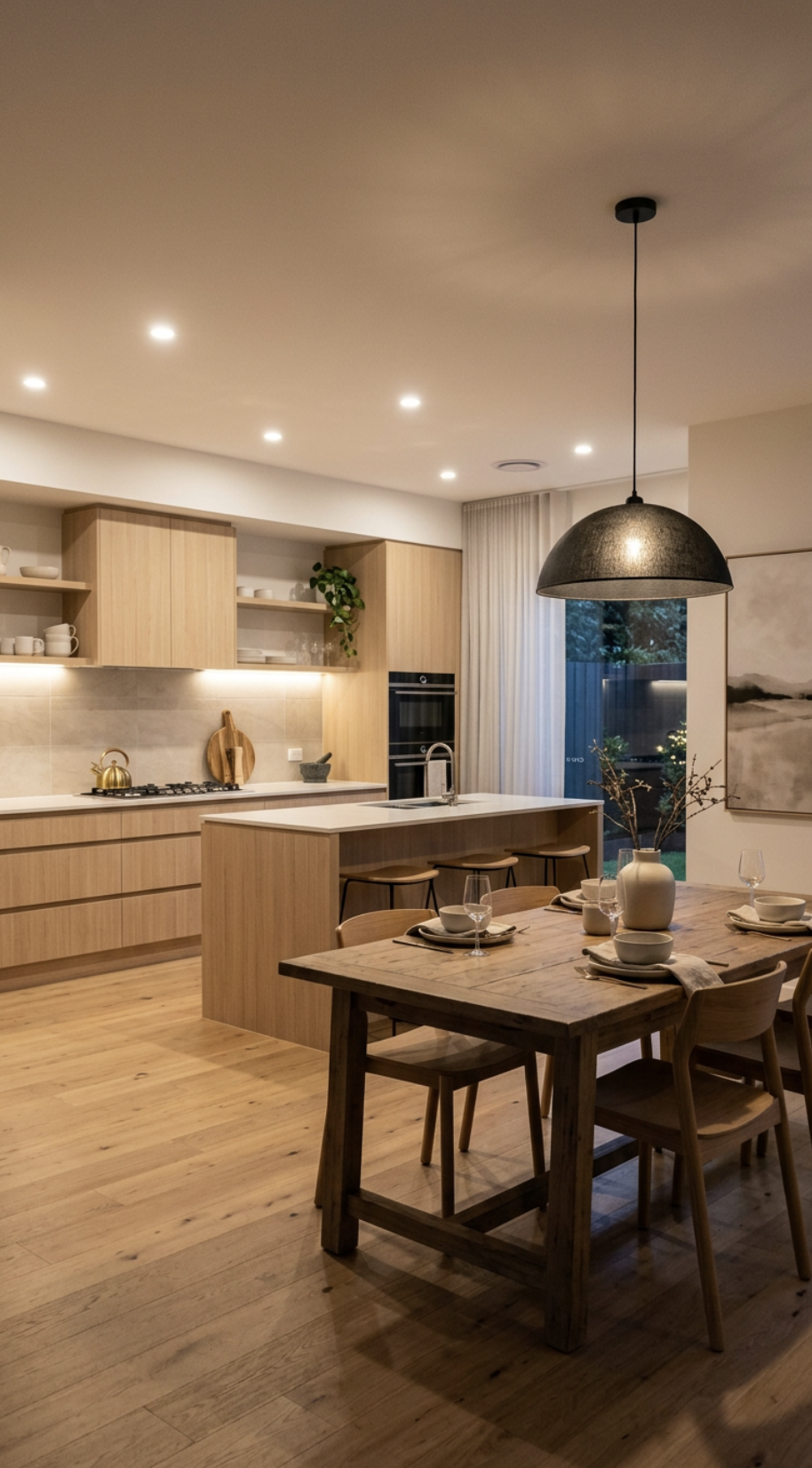
Invest in Lighting That Feels Architectural, Not Decorative
Lighting trends change quickly. What doesn’t change is the importance of good light.
Instead of chasing statement fixtures everywhere, focus on balanced, layered lighting.
Recessed LED lighting with warm 2700K bulbs provides consistent ambient light that doesn’t date itself. Under-cabinet lighting in kitchens adds function without dominating the design.
Then choose one or two visible fixtures — like an entry pendant or dining chandelier — where you can express style.
If a fixture screams a specific year, it will probably look that way later.
Also, consistency matters. Matching color temperature throughout your home makes it feel intentional. Swapping mismatched bulbs for soft white LED bulbs is a small update that dramatically improves cohesion.
Good lighting ages well because it supports daily life.
Avoid Ultra-Specific Tile Trends in Permanent Areas
Tile is expensive to replace. That’s why restraint matters.
Small-scale subway tile in a neutral tone continues to work because it isn’t competing for attention. Large-format neutral tiles in bathrooms feel cleaner longer than highly patterned mosaic floors.
If you love bold tile, use it in contained spaces like a niche or laundry room backsplash. These are easier to update later if tastes shift.
Also think about grout color. High-contrast grout can look dramatic now but may date quickly. A grout color that blends slightly with tile tends to age more gracefully. Sealing grout properly from the start also keeps it looking fresh longer.
Tile should support a room, not dominate it.
Choose Fixtures That Prioritize Function
Function ages better than fashion.
Faucets with simple silhouettes outlast ultra-angular or overly industrial styles. A pull-down kitchen faucet with a durable ceramic cartridge performs well long-term.
Bathroom hardware in brushed finishes tends to show fewer fingerprints than polished chrome or glossy black. Matching finish families throughout the home creates continuity.
Even small upgrades like installing soft-close toilet seats or quiet bathroom exhaust fans contribute to a feeling of thoughtful design that doesn’t age out.
When something works smoothly every day, it rarely feels dated.
Keep Built-Ins Neutral and Style Around Them
Built-ins are wonderful. But they’re permanent.
If installing shelving or media units, keep the structure simple. Painted white or a soft neutral keeps them adaptable. Style shelves with decor that can evolve.
Adjustable shelving systems are smarter than fixed spacing. They allow you to reconfigure over time instead of rebuilding.
The goal is flexibility.
Choose Landscaping That Matures, Not Overgrows
Exterior design matters just as much.
Highly sculpted landscaping trends require constant upkeep and can feel dated quickly. Instead, choose native plants and simple mulch beds that mature naturally.
Composite decking materials may not feel exciting, but they resist staining and weathering far better than untreated wood. That’s long-term thinking.
Outdoor lighting should highlight pathways and entry points without looking theatrical. Low-profile LED path lights age better than decorative novelty fixtures.
Good exterior choices improve quietly over time.
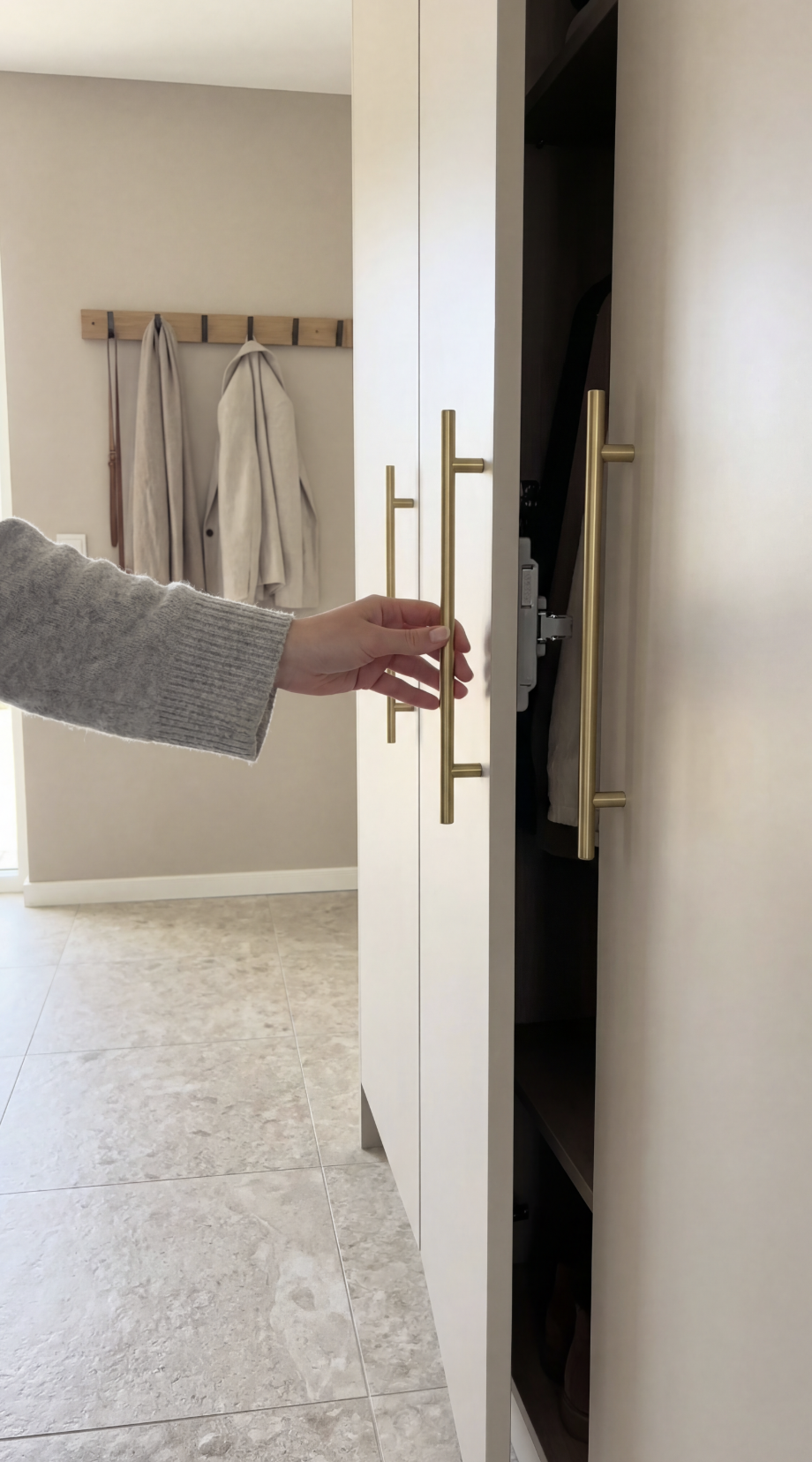
Invest in Hardware and Details That Reduce Maintenance
Homes feel outdated faster when maintenance lags.
Swapping basic door hinges for soft-close versions, upgrading to better cabinet slides, or installing high-quality weatherstripping around doors prevents small annoyances from becoming visible wear.
Entryway flooring that hides dirt well, like textured porcelain tile, reduces visual aging.
Even something as simple as adding wall-mounted coat hooks instead of bulky freestanding racks makes spaces feel organized longer.
Low maintenance is timeless.
Think in Decades, Not Seasons
The biggest mindset shift is this:
Ask whether a design decision will still feel calm and functional in ten years.
Trendy details aren’t wrong. They just belong in layers, not foundations.
Structure should be steady. Style should be flexible.
Homes that age well don’t chase every shift. They evolve slowly, intentionally, and affordably
Final Thoughts
A home that looks good now and ages well later isn’t boring. It’s balanced.
It uses quality materials where it counts. It keeps permanent decisions neutral enough to adapt. It lets smaller elements carry personality. It prioritizes function over flash.
When design choices are made with longevity in mind, you stop feeling the urge to renovate every few years. Instead, you make small updates that refresh without rebuilding.
That’s not playing it safe.
That’s building something that lasts