
What You’re Cleaning Too Often (And What You’re Ignoring Instead)
Most people don’t have a cleaning problem. They have a prioritization problem.
They wipe the same counters three times a day. Vacuum visible crumbs immediately. Scrub the sink until it shines. Light candles. Spray something that smells clean.
And yet, the house still doesn’t feel fully clean. That’s because we tend to over-clean the obvious surfaces and under-clean the systems that actually affect how a home smells, feels, and functions. The result? A lot of effort. Not always a lot of impact.
If your cleaning routine feels constant but never quite finished, here’s where your energy might be misplaced — and where it actually matters more.
You’re Probably Cleaning These Too Often
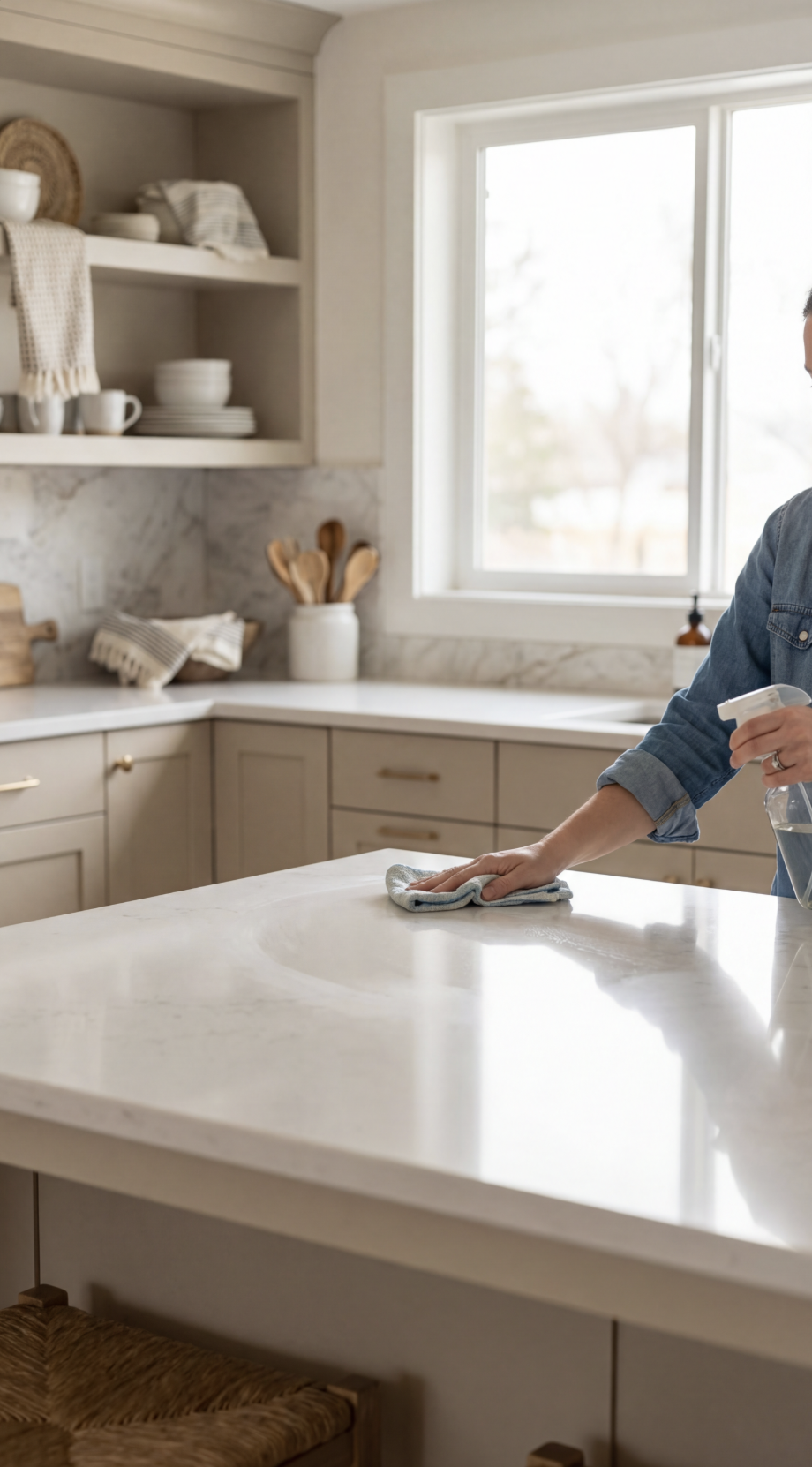
1. Kitchen Counters (When They’re Already Clean)
There’s nothing wrong with wiping down counters. But many people re-clean already clean surfaces multiple times a day.
If you’ve already used a quality microfiber cloth and an all-purpose cleaner once after cooking, you don’t need to keep going back over it.
What matters more is whether grease is building up in the less visible places — like cabinet edges near the stove or under small appliances.
Instead of re-wiping the same granite surface, pull out the toaster once a week. Wipe behind the coffee maker. Degrease the range hood filters occasionally.
A simple degreasing spray or even warm soapy water does more there than daily counter polishing.
2. Floors That Only “Look” Dirty
Vacuuming daily isn’t necessary for most homes unless you have pets or heavy traffic.
Spot cleaning crumbs is fine. But deep vacuuming a perfectly clean floor every single day often replaces time that could be spent on areas that actually accumulate buildup.
If you do vacuum, make sure you’re using a vacuum with a clean filter and strong suction. An occasionally cleaned vacuum filter makes more difference than running a weak vacuum twice as often.
Also, don’t forget baseboards. A quick pass with a vacuum brush attachment once every few weeks changes the feel of a room more than obsessing over spotless tile.
3. The Bathroom Sink Bowl
Bathroom sinks get cleaned frequently because they’re visible.
But most odors and residue build up somewhere else entirely — inside the overflow channel.
That small hole beneath the faucet collects soap, toothpaste, and moisture. It rarely gets cleaned. A foaming drain cleaner that expands into hidden channels works better there than constant scrubbing of porcelain.
If your sink smells slightly off even though it looks clean, this is likely why.
Scrubbing what you see isn’t always solving the problem..
Here’s What You’re Probably Ignoring Instead
Now let’s talk about the areas that quietly impact your home’s cleanliness — the ones most people forget..
1. Inside Trash Cans
Trash bags hide a lot.
Liquids leak. Food residue collects at the bottom. Even if you take out the garbage regularly, the can itself can develop a smell.
Instead of lighting a candle, occasionally rinse and disinfect the actual bin. If it’s practical, take it outside and use a hose with a disinfecting cleaner. Cans with removable inner liners make this process easier long term.
You don’t need to do this weekly. But once every month or two makes a noticeable difference.
2. Dishwasher and Washing Machine Filters
Appliances that “clean” still need cleaning.
Dishwashers have filters that trap food particles. Washing machines accumulate detergent buildup and moisture. Dryers collect lint beyond the visible trap.
Ignoring these internal components affects performance and smell.
Removing and rinsing a dishwasher filter can instantly improve how dishes come out. Running a dishwasher cleaner through a cycle removes mineral scale and grease.
Front-load washing machines benefit from drum-clean cycles and wiping the rubber gasket regularly. Leaving the door slightly open between loads helps prevent mold.
These tasks matter far more than polishing the outside panel.
3. HVAC Filters
This one changes everything.
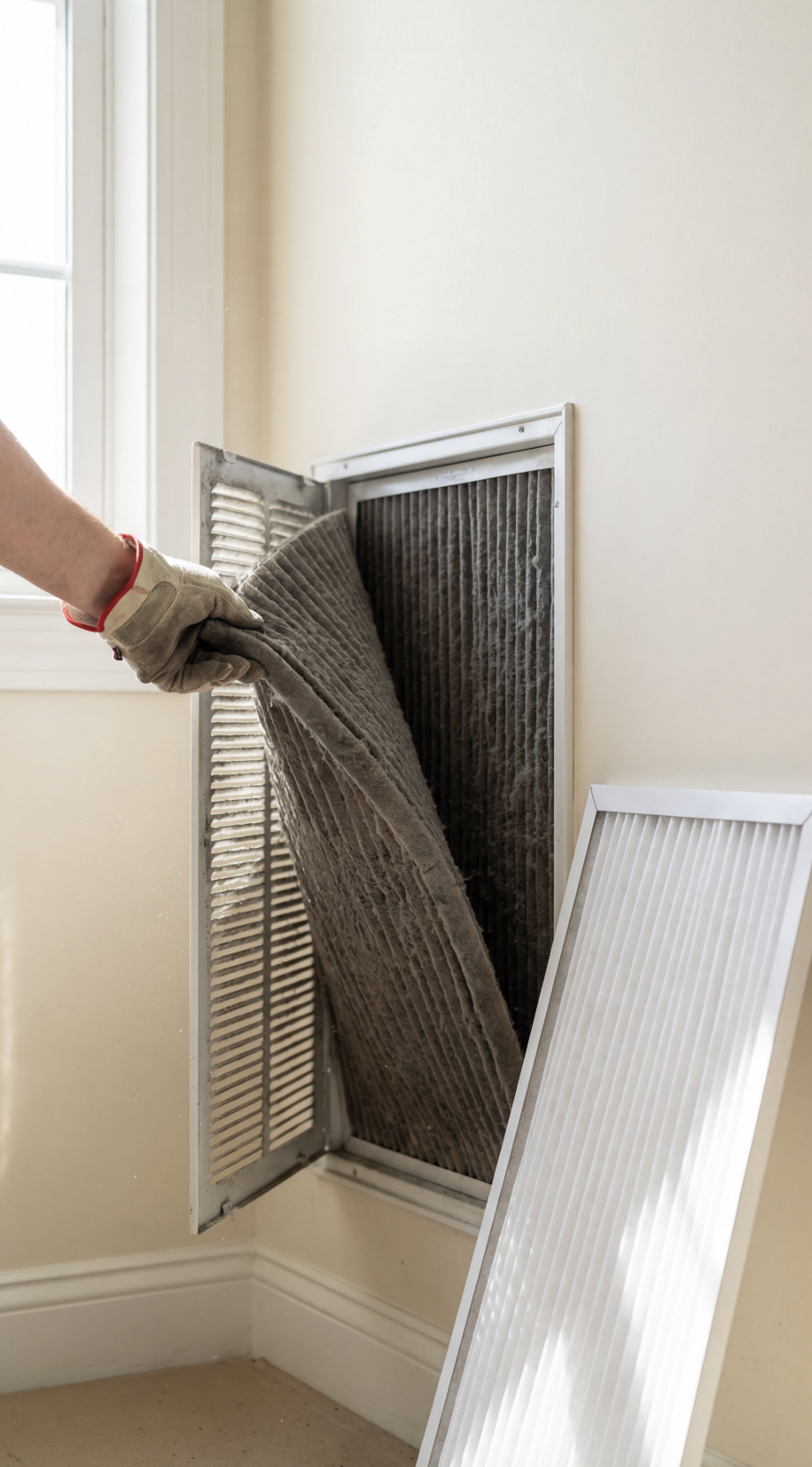
If your house feels dusty no matter how much you clean, check the air filter.
Replacing HVAC filters regularly improves air quality, reduces dust settling, and helps your system run efficiently.
A clogged filter redistributes particles through your home. No amount of surface wiping fixes that.
Set a reminder. Change it consistently. It’s one of the highest-impact “cleaning” tasks that doesn’t look like cleaning.
4. Light Switches and Handles
These are touched constantly but cleaned rarely.
Light switches, cabinet pulls, remote controls, and door handles accumulate oils and bacteria. They may not look dirty, but they contribute to a subtle grimy feeling.
A quick pass with a disinfecting wipe every few weeks improves hygiene and feel.
It takes minutes. It makes a difference.
5. Behind and Under Appliances
Most kitchens look clean at eye level.
But pull out the stove once a year and you might find an entirely different story.
Food debris, grease, and dust accumulate behind refrigerators, under ovens, and around washing machines.
If possible, carefully pull appliances forward occasionally and vacuum or wipe underneath. A crevice tool attachment makes this manageable without dismantling anything.
It’s not glamorous. It’s effective.
6. Bathroom Exhaust Fans
Bathrooms that always feel slightly humid often have fans clogged with dust.
Removing the vent cover and vacuuming dust from the fan improves airflow and reduces lingering moisture.
Better airflow means less mold, fewer odors, and less frequent scrubbing later.
Sometimes prevention replaces effort.
The Bigger Pattern
Most over-cleaning happens because it’s easy.
Counters are visible. Floors are accessible. They give instant satisfaction.
What gets ignored are the hidden systems — airflow, drainage, filters, internal buildup.
A home feels cleaner not because every surface shines, but because air moves properly, moisture drains correctly, and residue doesn’t accumulate out of sight.
If you shift your focus toward those areas, you can actually clean less and get better results
A Smarter Cleaning Approach
Instead of asking, “What looks dirty?” ask:
What traps moisture?
What collects buildup?
What affects air quality?
What hides residue?
Then schedule those tasks intentionally.
Use tools that make sense:
Microfiber cloths for effective wiping
A vacuum with proper attachments
Drain-safe cleaners for hidden buildup
Quality HVAC filters
Appliance cleaning cycles
Consistency beats frequency.
Final Thoughts
If you feel like you’re always cleaning but never quite done, it may not be about effort.
It may be about focus.
Stop re-cleaning what’s already clean. Start maintaining what quietly impacts your home’s function.
When you clean smarter, the house doesn’t just look better.
It feels better.
And you spend less time chasing the illusion of clean — and more time enjoying it.