
Hidden Places Water Damage Starts in a Home
(And How to Stop It Early)
Most serious water damage does not start with a dramatic event.
There is no burst pipe spraying water everywhere. No ceiling collapsing in real time. No obvious moment where you think, something is wrong. Instead, it starts quietly. Out of sight. In places you do not look very often. That is what makes water damage so frustrating. By the time you notice it, the problem has usually been there for a while, doing damage in slow motion.
This post is about those hidden places. The ones homeowners rarely check, not because they are careless, but because no one ever tells them where to look. Once you know where water damage actually starts, preventing it becomes much easier.
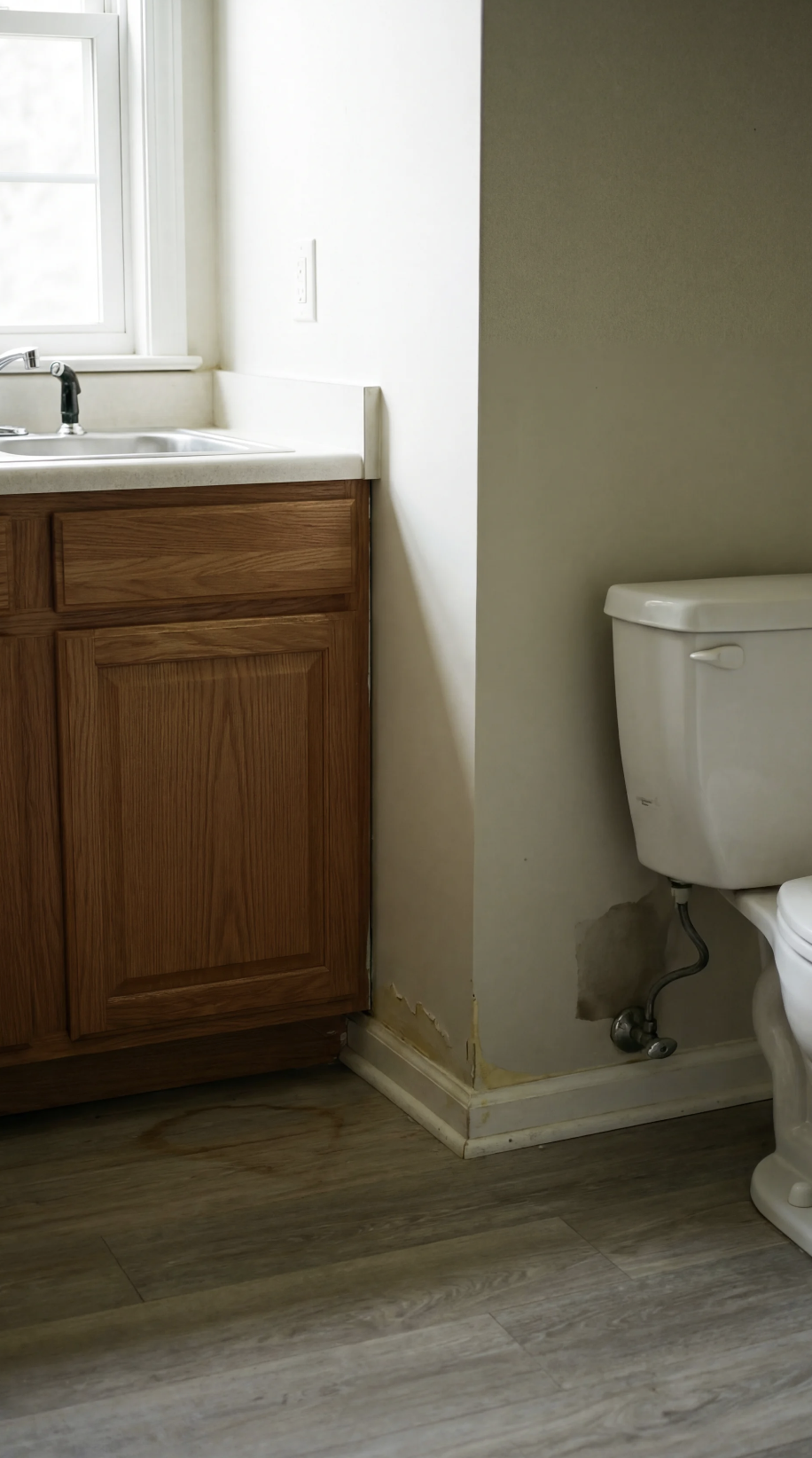
Under Sink Cabinets That Look Fine Until They Are Not
The space under sinks is one of the most common places for water damage to begin, and also one of the easiest to miss.
Supply lines, drain traps, and shutoff valves all live in this cabinet. Most of the time, when they fail, they do not fail catastrophically. They drip. Slowly. Quietly. That slow moisture seeps into the cabinet floor, swells particle board, and creates the perfect environment for mold. Because everything is hidden behind cabinet doors, the damage can go unnoticed for months.
A simple habit makes a big difference here. Every few months, open the cabinet and run your hand along the bottom panel. Look for softness, discoloration, or a musty smell. Many homeowners now place small water leak detectors under sinks. These inexpensive devices sit quietly until moisture is detected, then sound an alarm or send a notification. They turn a hidden drip into an early warning instead of a repair bill.
Behind Toilets and Around Toilet Bases
Toilets are another quiet offender. The supply line that feeds your toilet is under constant pressure. Older plastic or rubber lines can fail without warning. When they do, water sprays behind the toilet, often soaking drywall and flooring before anyone notices.
Even without a supply line failure, wax rings can deteriorate over time. When that happens, water seeps out slowly with every flush, soaking the subfloor beneath the toilet. Because toilets are rarely moved or closely inspected, this damage often shows up as loose flooring, soft spots, or staining far from the source. If you ever notice a toilet that rocks slightly, smells musty, or leaves moisture around the base, that is not something to ignore. Replacing a wax ring is far easier than repairing subfloor and framing later.
Dishwasher Supply Lines and Drain Connections
Dishwashers are notorious for causing water damage in kitchens.
The supply line feeding the dishwasher runs under pressure, similar to a sink. Drain hoses can also loosen or crack over time. Because dishwashers are usually tucked tightly into cabinetry, small leaks often go unnoticed. The first sign is often swollen cabinet panels or flooring damage near the dishwasher, long after the leak started. Pulling the dishwasher out once a year and inspecting the supply and drain connections is a simple preventative step. Many homeowners also upgrade older supply lines to braided stainless steel versions for peace of mind.
This is one of those checks that takes ten minutes and can prevent thousands of dollars in damage.
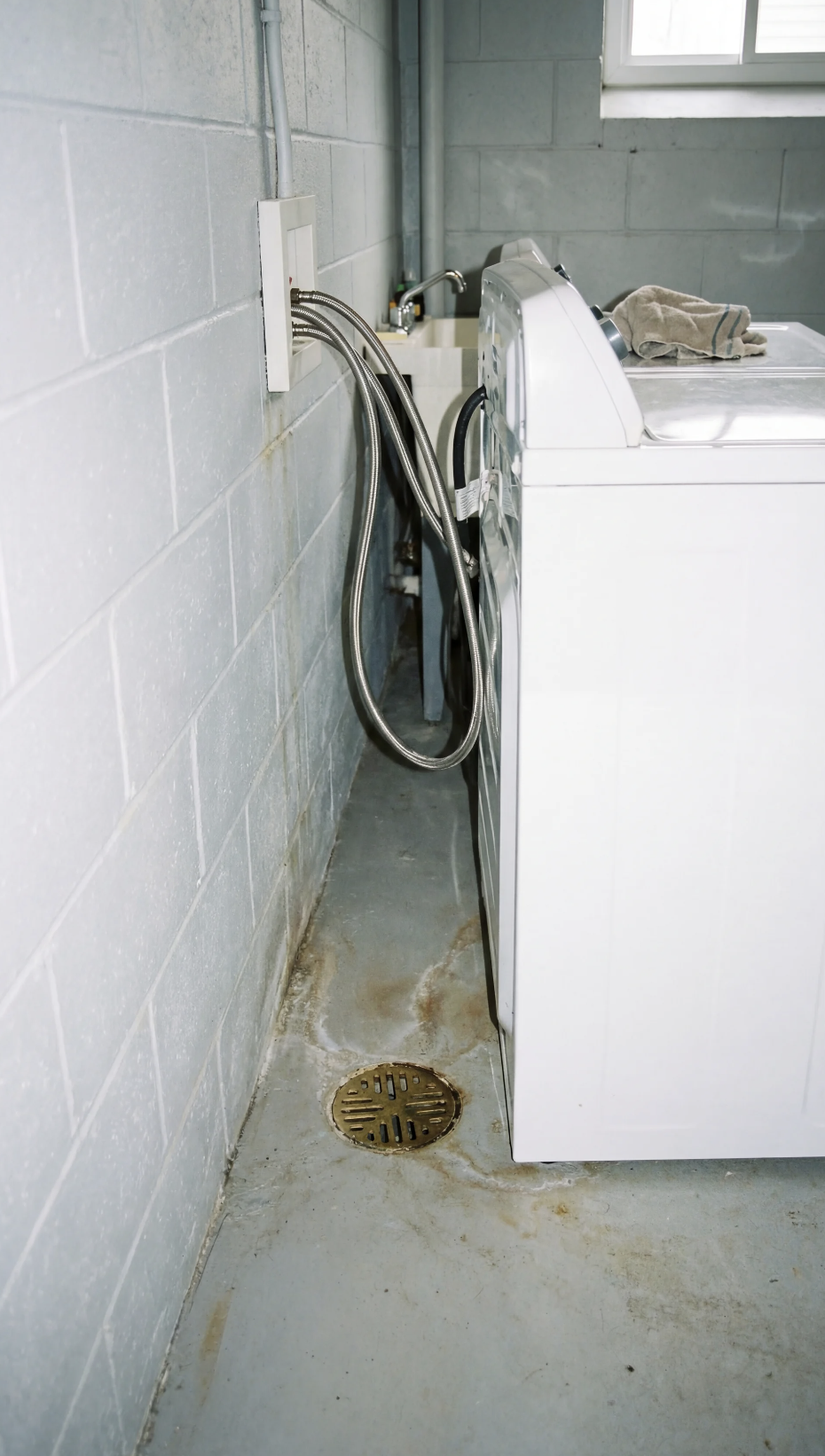
Washing Machine Hoses and Floor Drains
Laundry rooms are designed to handle water, which ironically makes leaks easier to ignore.
Washing machine hoses are under constant pressure. When they fail, they fail fast. A burst hose can flood a room in minutes. Even slow leaks are problematic. Water can run behind machines, soak drywall, and damage flooring before anyone notices. Modern braided stainless steel washing machine hoses are far more reliable than older rubber versions. Some homeowners also install automatic shutoff valves that detect abnormal flow and cut water supply instantly.
If your laundry room has a floor drain, make sure it is actually functional. Drains that are rarely used can dry out or clog, making them useless during a leak.
Refrigerator Water Lines
Refrigerators with ice makers or water dispensers have supply lines most people forget about entirely.
These thin lines run behind the fridge and are rarely inspected. If they crack or loosen, water leaks behind the appliance and into walls or flooring. As refrigerators are heavy and rarely moved, this damage often goes unnoticed until flooring buckles or mold appears.
Pulling the fridge out occasionally and inspecting the water line is a smart habit. Many homeowners replace plastic tubing with braided stainless steel lines to reduce failure risk.
Shower Corners and Tub Caulking
Bathrooms are designed for water, which makes it easy to overlook slow damage.
Caulk and grout are not permanent. Over time, they crack, shrink, or separate from surfaces. When that happens, water slips behind tile and into wall cavities. This damage is invisible until it reaches framing, insulation, or the ceiling below. By the time stains appear, repairs are already significant.
Regularly inspecting shower corners, tub edges, and tile transitions is one of the most effective ways to stop water damage early. Replacing failing caulk is inexpensive and far easier than repairing hidden moisture damage later.
Window Sills and Poor Drainage
Windows are another common entry point for water. Improper flashing, deteriorated sealant, or clogged weep holes allow water to enter wall assemblies during rain. Because this happens intermittently, it is hard to trace.
Over time, moisture rots framing, damages drywall, and creates mold around window openings. Checking exterior window trim, sealant, and drainage paths helps prevent this. Inside, look for peeling paint, bubbling drywall, or discoloration near window sills. Water damage around windows is rarely sudden. It builds quietly, season after season.
Exterior Hose Bibs and Freeze Damage
Outdoor faucets are exposed to temperature changes and physical wear.
A dripping hose bib may seem minor, but it can allow water to seep into walls or freeze inside pipes during cold weather. When pipes freeze, they often crack internally, leaking once thawed. This type of damage often shows up far from the actual failure point, making it confusing to diagnose.
Inspecting hose bibs for leaks and using protective covers in colder climates reduces this risk significantly.
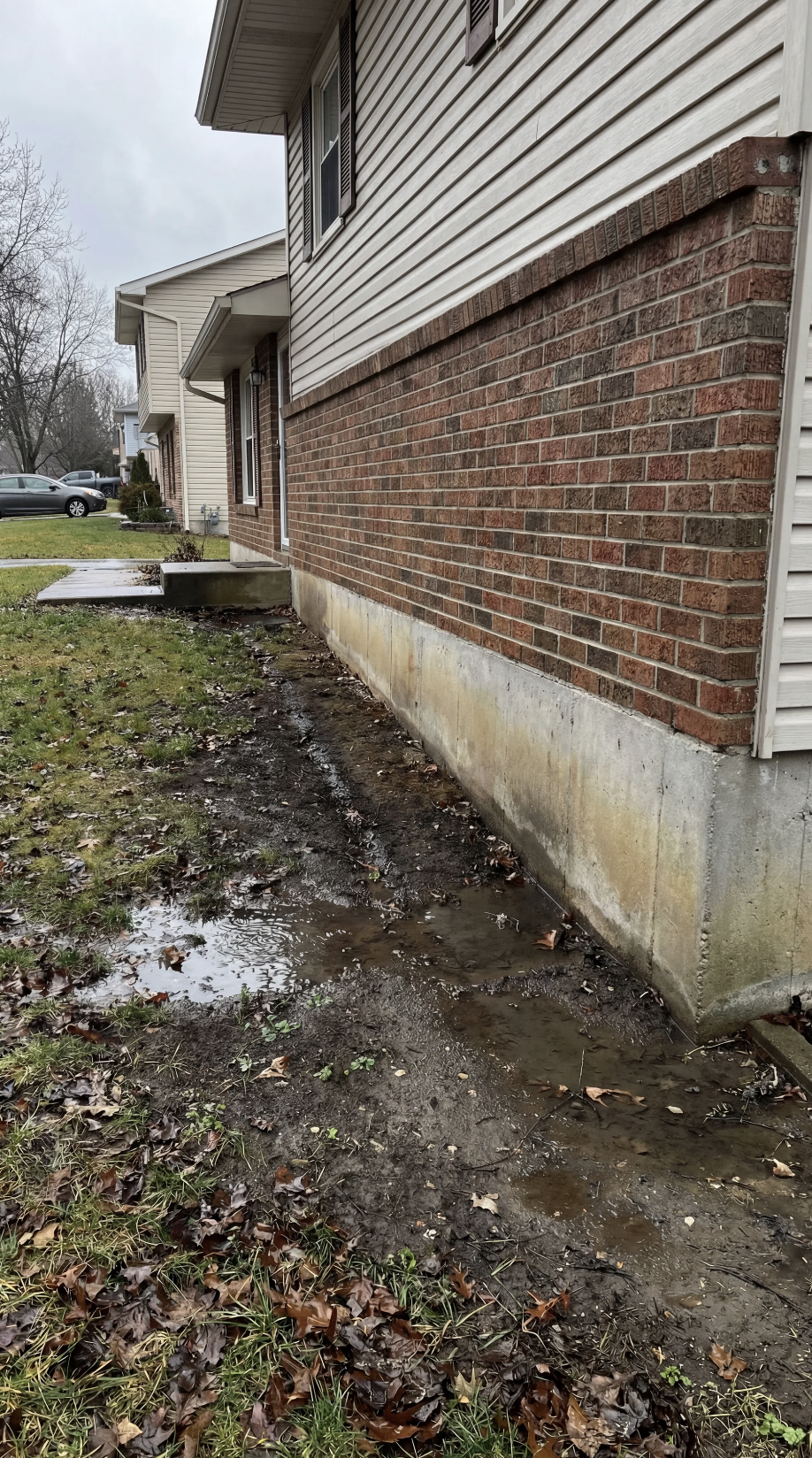
Improper Grading Around the Foundation
Not all water damage comes from plumbing. Improper soil grading around a home can direct rainwater toward the foundation instead of away from it. Over time, this water seeps into basements or crawl spaces, increasing humidity and damaging structures.
Since this happens slowly, many homeowners assume basement moisture is just part of owning a home. In reality, it is often preventable. Walking your property during heavy rain is one of the best ways to spot drainage problems. If water pools near the foundation, adding soil to restore proper slope can make a huge difference.
Attic Condensation and Poor Ventilation
Attics are another place water damage hides. Poor ventilation allows warm, moist air to condense on cold surfaces, especially in winter. This condensation drips onto insulation and framing, leading to mold and rot.
Because attics are rarely visited, this damage can go unnoticed for years. Checking attic ventilation, ensuring soffit vents are not blocked, and maintaining proper airflow helps prevent moisture buildup. This is especially important in homes with bathrooms or kitchens that exhaust warm air upward.
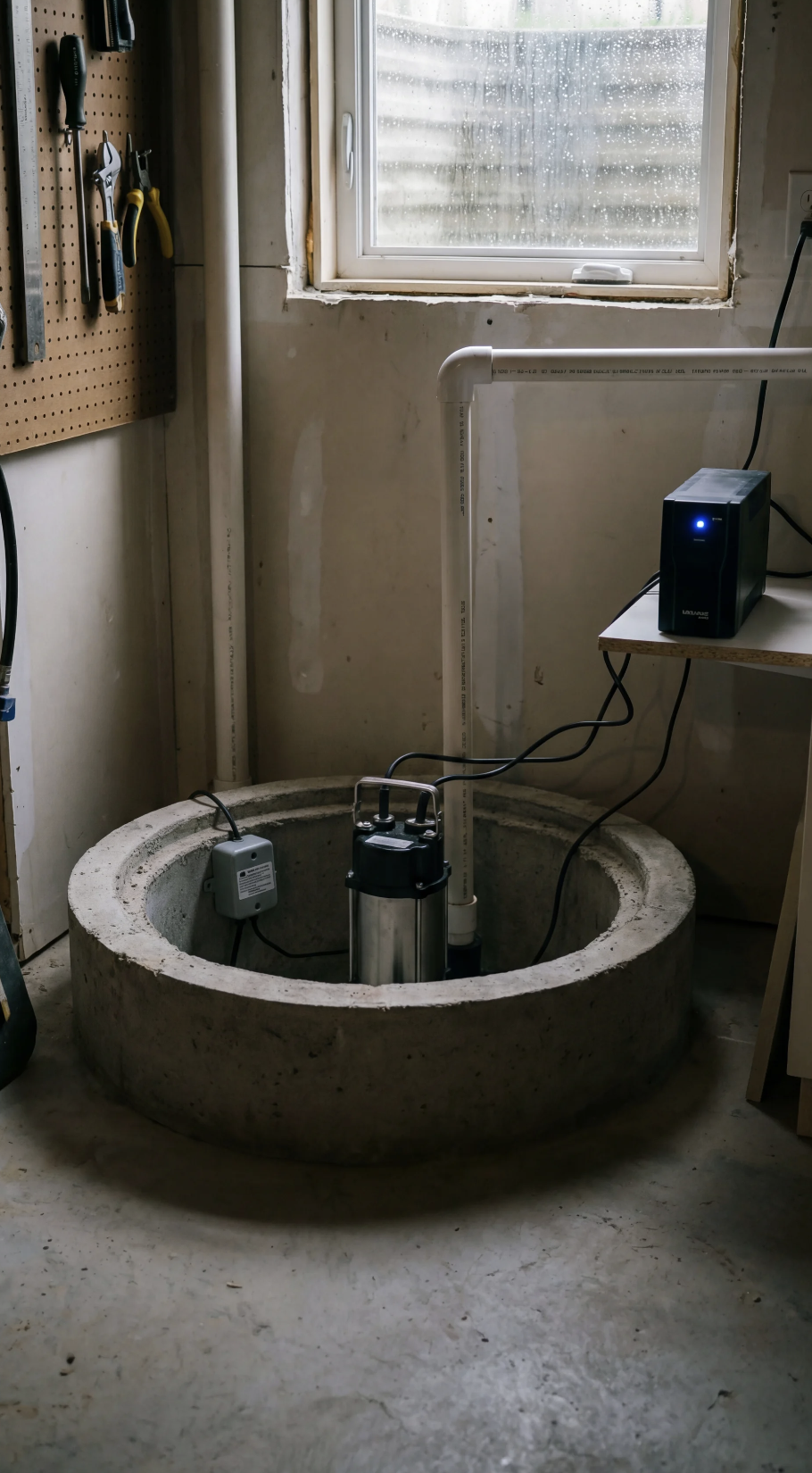
Sump Pumps That Fail Quietly
Homes with basements often rely on sump pumps, but many homeowners never test them. Sump pumps can fail due to power loss, stuck floats, or mechanical wear. When they fail, water enters the basement silently during heavy rain. Installing a battery backup and a water level alarm transforms a sump pump from a hope-based system into a reliable one. These alerts let you know when something is wrong before water spreads.
Why Early Prevention Matters So Much
Water damage rarely announces itself. It works slowly, quietly, and out of sight. That is why so many homeowners feel blindsided when repairs are needed. The good news is that preventing water damage does not require constant monitoring or expensive renovations. It requires awareness and a few intentional habits. Knowing where to look changes everything.
When you understand where water damage actually starts, you stop reacting to problems and start preventing them.
Final Thoughts
Most homeowners do not ignore water damage on purpose. They simply never get shown where it begins.
The places listed here are not dramatic. They are ordinary. That is what makes them dangerous. A small drip, a cracked seal, or a neglected hose can quietly cause more damage than a major event ever would. The goal is not to worry about your home. It is to understand it.
When you check the right places at the right time, water damage becomes one of the easiest problems to avoid. And that is the kind of peace of mind every homeowner deserves.