
Home Appliance Maintenance: What to Do, When to Do It, and Why It Matters More Than You Think
Most home appliances do not fail dramatically.
They don’t usually give you a clear warning or stop working overnight. Instead, they slowly lose efficiency, strain internally, and shorten their own lifespan in ways you barely notice. By the time something feels wrong, the damage is often already done.
That’s why appliance maintenance gets ignored so often. Everything still works. The fridge is cold. The washer spins. The dryer heats. So it feels fine.
But appliances are machines. They rely on airflow, clean components, proper drainage, and stable connections. When those things are compromised, performance drops long before failure happens.
The good news is that most appliance maintenance is simple, infrequent, and far less intimidating than people expect. You don’t need to be a technician. You just need to know where attention actually makes a difference.
Start With the Right Mindset: Maintenance Is About Prevention, Not Perfection
Appliance maintenance isn’t about making things spotless or tuning them constantly. It’s about preventing the kinds of stress that cause early failure.
Dust buildup, restricted airflow, standing moisture, and mineral deposits are the real enemies. Addressing those issues once or twice a year often adds years to an appliance’s life.
If you approach maintenance as “small resets” instead of chores, it becomes much more manageable.
Refrigerators: Quietly Working Hard Every Day
Refrigerators run constantly. That alone makes them one of the most important appliances to maintain.
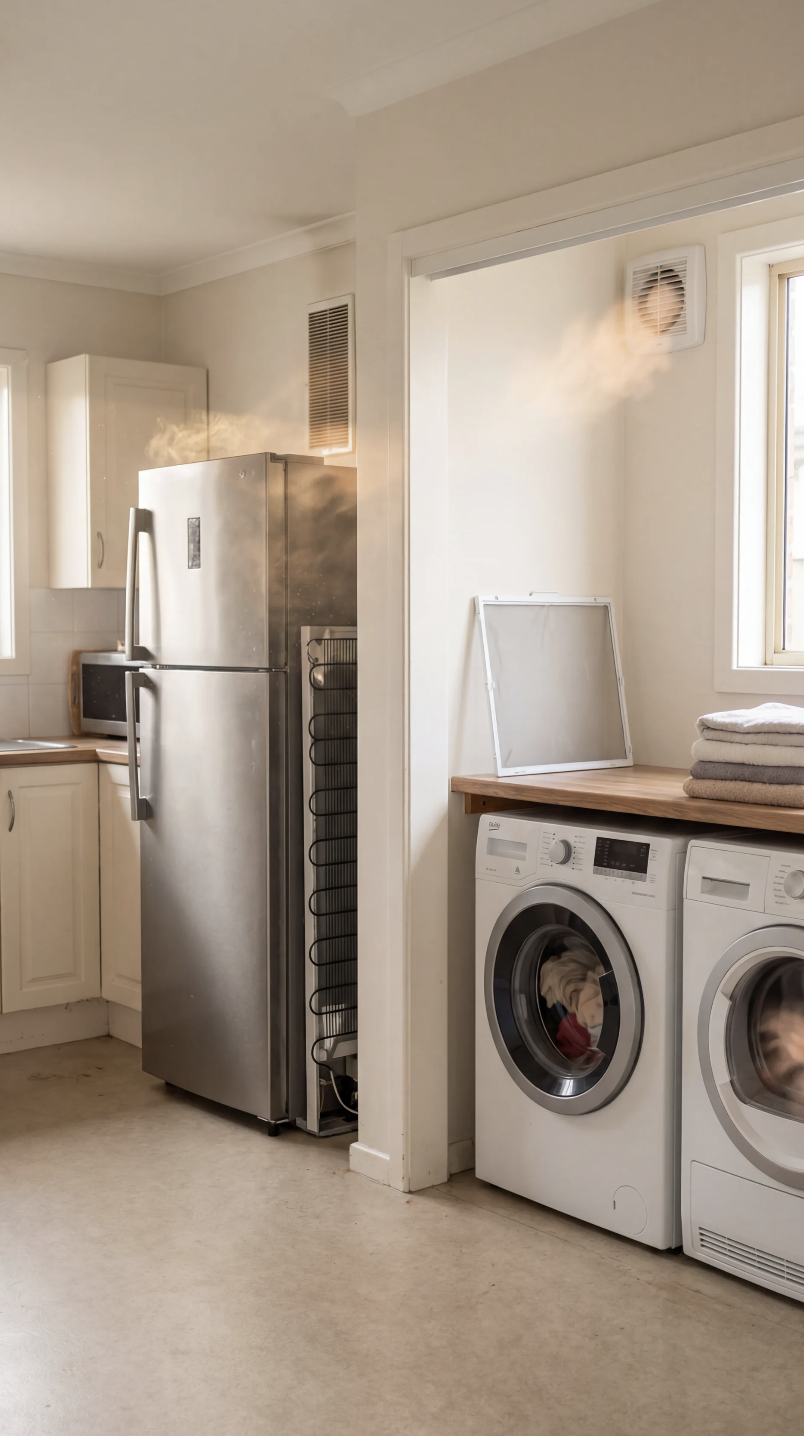
The most overlooked task is cleaning the condenser coils. These coils release heat, and when they’re covered in dust, pet hair, or debris, the fridge has to work harder to stay cold.
Most manufacturers recommend cleaning coils once or twice a year. A simple coil brush or vacuum attachment makes this quick, especially for units with coils underneath or behind.
Inside the fridge, check door seals periodically. If seals are dirty or cracked, cold air escapes and efficiency drops. Wiping them with warm soapy water keeps them flexible and sealing properly.
Also pay attention to odd cycling behavior. If the fridge seems to run constantly, maintenance is often the fix before assuming something major is wrong.
Dishwashers: Cleaning the Cleaner
Dishwashers clean dishes, but they don’t clean themselves.
Over time, food particles, grease, and mineral deposits build up in filters, spray arms, and drain areas. This leads to poor cleaning performance, odors, and slow drainage.
Most modern dishwashers have a removable filter at the bottom. Checking and rinsing it monthly prevents buildup from becoming a problem. It takes minutes and makes a noticeable difference.
Running an occasional cleaning cycle with a dishwasher cleaner designed to break down grease and mineral scale helps keep internal components working efficiently. This is especially important in areas with hard water.
Ignoring dishwasher maintenance often leads to complaints about performance when the solution is surprisingly simple.
Washing Machines: Water, Pressure, and Residue
Washing machines deal with a lot of water, movement, and detergent residue. That combination creates maintenance needs many people don’t realize.
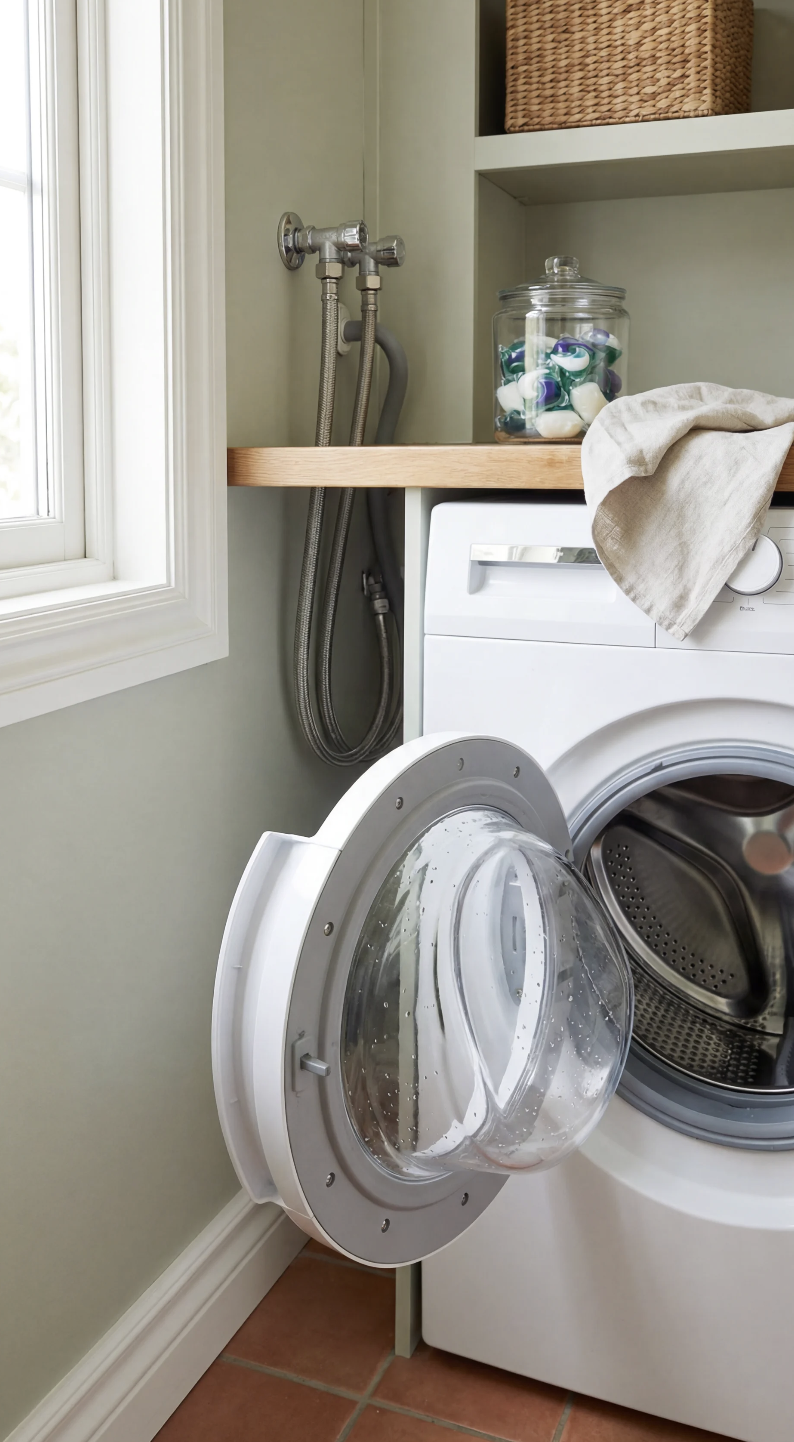
For front-load machines, door gaskets should be wiped regularly. Moisture trapped in the folds can lead to mold and odors. Leaving the door slightly open between loads helps moisture evaporate.
Top-load machines also benefit from periodic cleaning cycles. Detergent and fabric softener residue can coat internal surfaces over time, reducing cleaning effectiveness.
Once or twice a year, inspect washing machine hoses. Rubber hoses degrade and can burst unexpectedly. Many homeowners replace them with braided stainless steel hoses for added reliability. This is a small upgrade that prevents one of the most common causes of water damage in homes.
Dryers: Airflow Is Everything
Dryers are simple machines, but they rely heavily on unrestricted airflow.
Lint buildup is the biggest threat. Cleaning the lint trap after every load is obvious, but lint also accumulates in the vent hose and exterior vent over time.
Most dryers should have their venting inspected and cleaned at least once a year. If clothes take longer to dry or the dryer feels hot to the touch, airflow is likely restricted.
A vent cleaning brush or professional vent cleaning service removes lint that standard maintenance misses. This improves efficiency and reduces fire risk.
Also check that the exterior vent flap opens freely. Stuck or blocked vents trap moisture and heat.
Ovens and Ranges: Performance Over Appearance
Ovens and ranges don’t require frequent maintenance, but a few habits keep them working properly.
For electric ovens, avoid excessive self-cleaning cycles. While effective, the high heat stresses internal components. Spot cleaning and occasional light cleaning are often enough.
Gas ranges should be observed while operating. Flame color matters. A steady blue flame indicates proper combustion. Yellow or orange flames may signal dirty burners or airflow issues and should be addressed.
Keeping burner ports clear with a soft brush and wiping spills promptly prevents buildup that affects performance.
Microwaves: Simple Checks Go a Long Way
Microwaves are often ignored until they fail.
Keeping the interior clean prevents food residue from absorbing energy unevenly, which strains the magnetron. Wiping down splatters regularly and cleaning the turntable helps maintain even heating.
If your microwave has a vent fan and filter, especially over-the-range models, check and clean or replace the filter periodically. Grease buildup reduces airflow and efficiency.
These small steps extend the life of a heavily used appliance.
Water Heaters: A Hidden Appliance With Big Consequences
Water heaters quietly work in the background until they don’t.
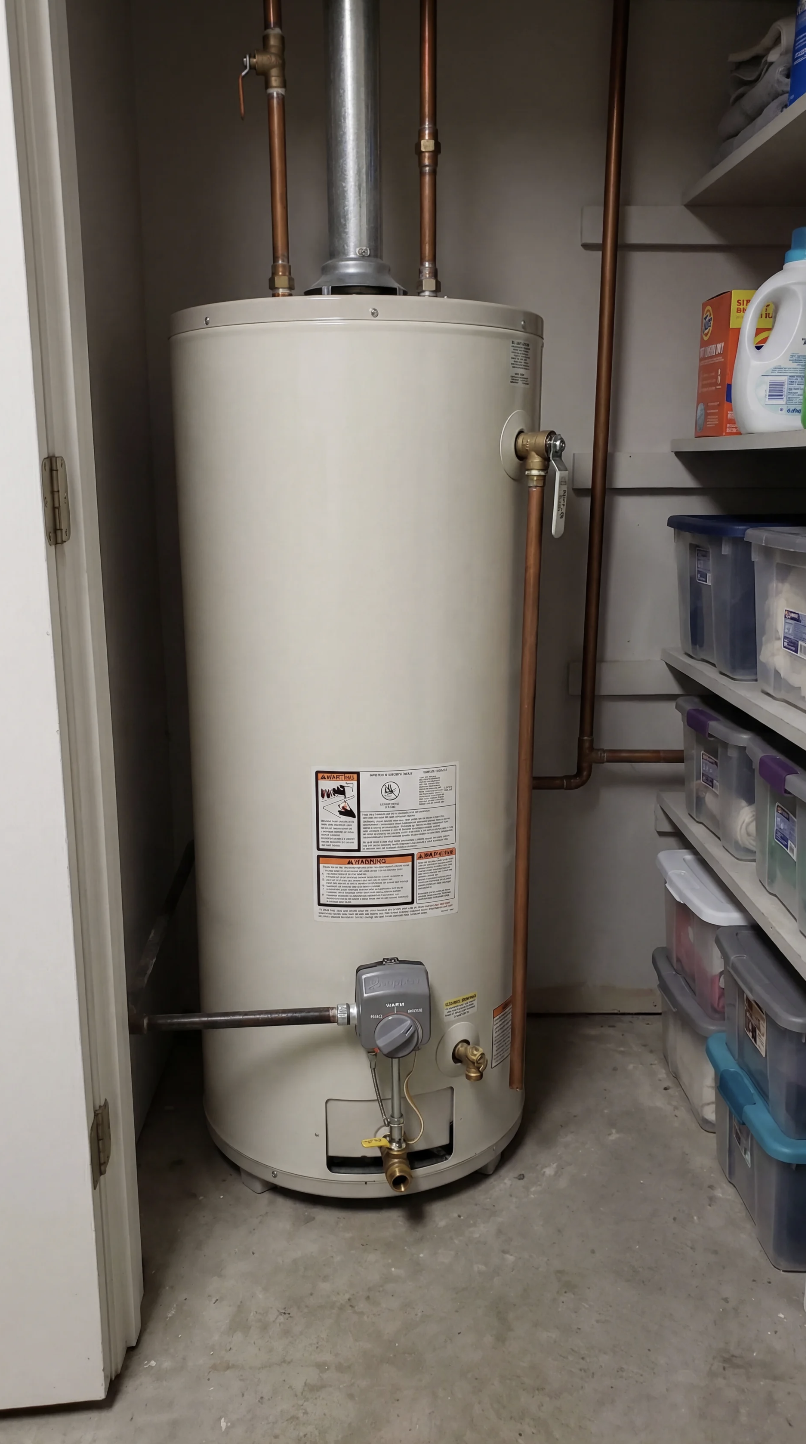
Sediment buildup inside the tank is a major cause of reduced efficiency and premature failure. Annual flushing removes sediment and helps the heater operate more efficiently.
For tank-style heaters, draining a portion of the tank once a year is often enough. This is a simple task for many homeowners and can significantly extend the unit’s lifespan.
Also check the temperature setting. Excessively high temperatures increase wear and energy use without real benefit.
HVAC Systems: Maintenance That Pays Off
Heating and cooling systems are some of the most expensive appliances in a home.
Changing air filters regularly is the single most important maintenance task. Dirty filters restrict airflow, increase strain, and reduce efficiency.
Most homes benefit from filter changes every one to three months, depending on usage and air quality. Keeping a few replacement filters on hand makes this easy to stay on top of.
Annual professional inspections catch small issues before they turn into major repairs.
When to Do Appliance Maintenance (Without Overthinking It)
You don’t need a complicated schedule.
A simple approach works well:
Monthly: quick visual checks, wipe seals, clean filters
Quarterly: deeper cleaning for washers and dishwashers
Yearly: vents, coils, hoses, flushing, inspections
Many homeowners tie maintenance to seasons or holidays to make it easier to remember.
Consistency matters more than precision.
Signs Maintenance Is Overdue
Appliances often give subtle signals before failing:
longer run times
unusual noises
odors
increased energy bills
inconsistent performance
When you notice these changes, maintenance is the first place to look before assuming replacement is needed.
Final Thoughts
Home appliance maintenance isn’t about obsessing over machines. It’s about respecting the systems that quietly support daily life.
A few small habits prevent stress, save money, and extend the life of expensive equipment. Most importantly, they turn appliance ownership from reactive to intentional.
You don’t need to do everything at once. Start with the appliance you rely on most. Address airflow. Remove buildup. Check connections.
Those small resets are often the difference between replacing an appliance early and getting years of reliable use out of it.
And that’s a return worth the effort.