
Home Tech That Eliminates Small Daily Frustrations
Most home upgrades are sold as big improvements. Renovations. Remodels. Expensive changes that promise a dramatic transformation.
But the truth is, the things that impact daily life the most are much smaller than that.
They are the tiny, repeated annoyances you barely notice until they are gone. The lights you forget to turn off. The thermostat you constantly adjust. The keys you are always setting down somewhere random. The appliance that works, but not quite the way you want it to.
This is where smart home tech actually shines.
Not flashy gadgets. Not complicated systems. Just quiet upgrades that remove friction from everyday routines.
Once you live with these changes, your home feels calmer, smoother, and easier to manage without looking any different at all.
Below are the home tech upgrades that eliminate small daily frustrations you probably deal with every day, even if you do not consciously think about them.
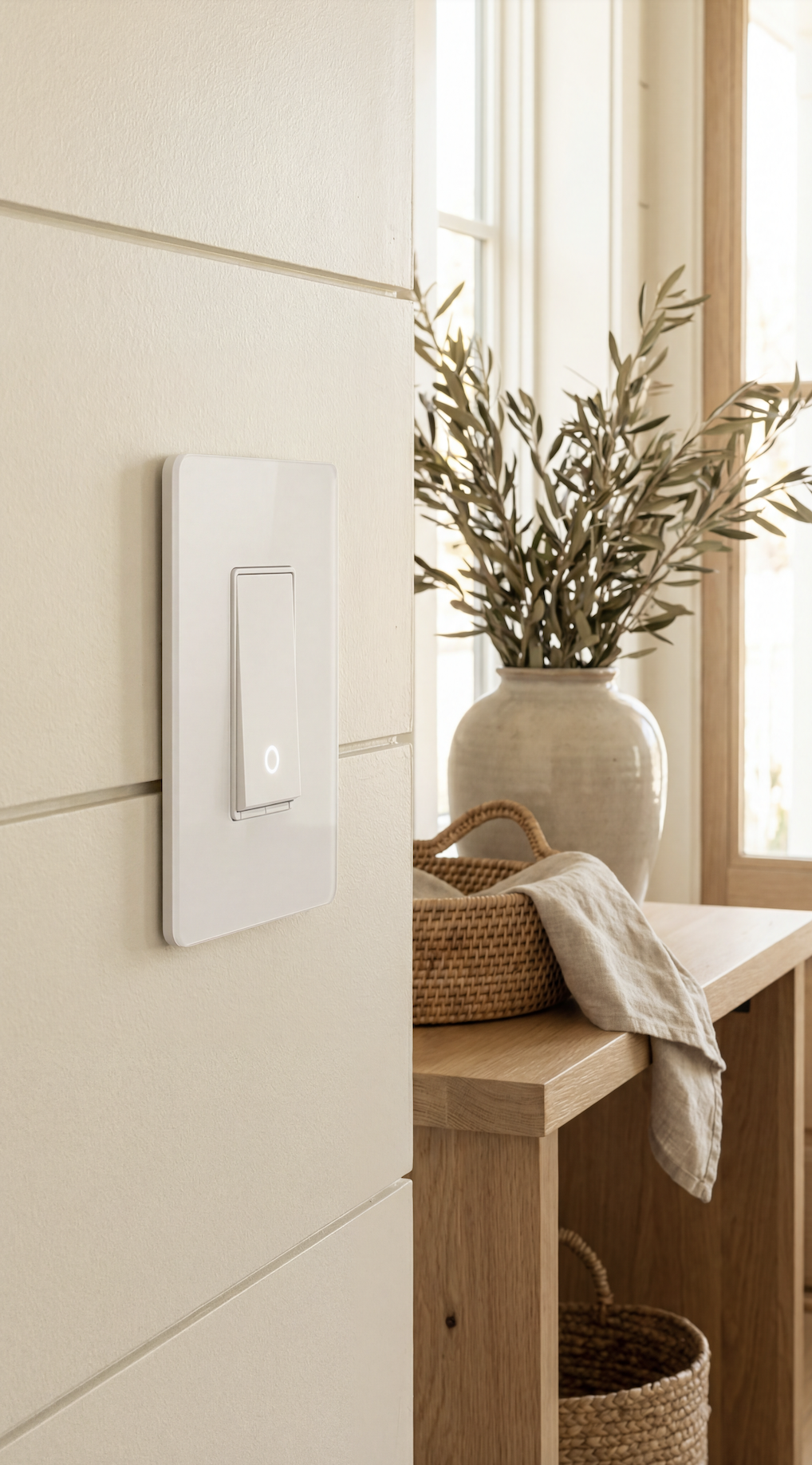
Forgetting to Turn Lights On and Off
This is one of the most common daily annoyances in almost every home.
You walk into a room with your hands full and have to fumble for a switch. You leave the house and wonder if you turned everything off. You go to bed and realize a light is still on somewhere.
The Tech That Solves It
Smart light switches:
Motion activated light switches
What This Eliminates
Manually flipping switches
Lights being left on all day
The mental load of remembering lighting
With a smart switch, lights can turn on automatically when you enter a room and turn off when no movement is detected. With app control, you can check lighting from anywhere and shut everything down with one tap.
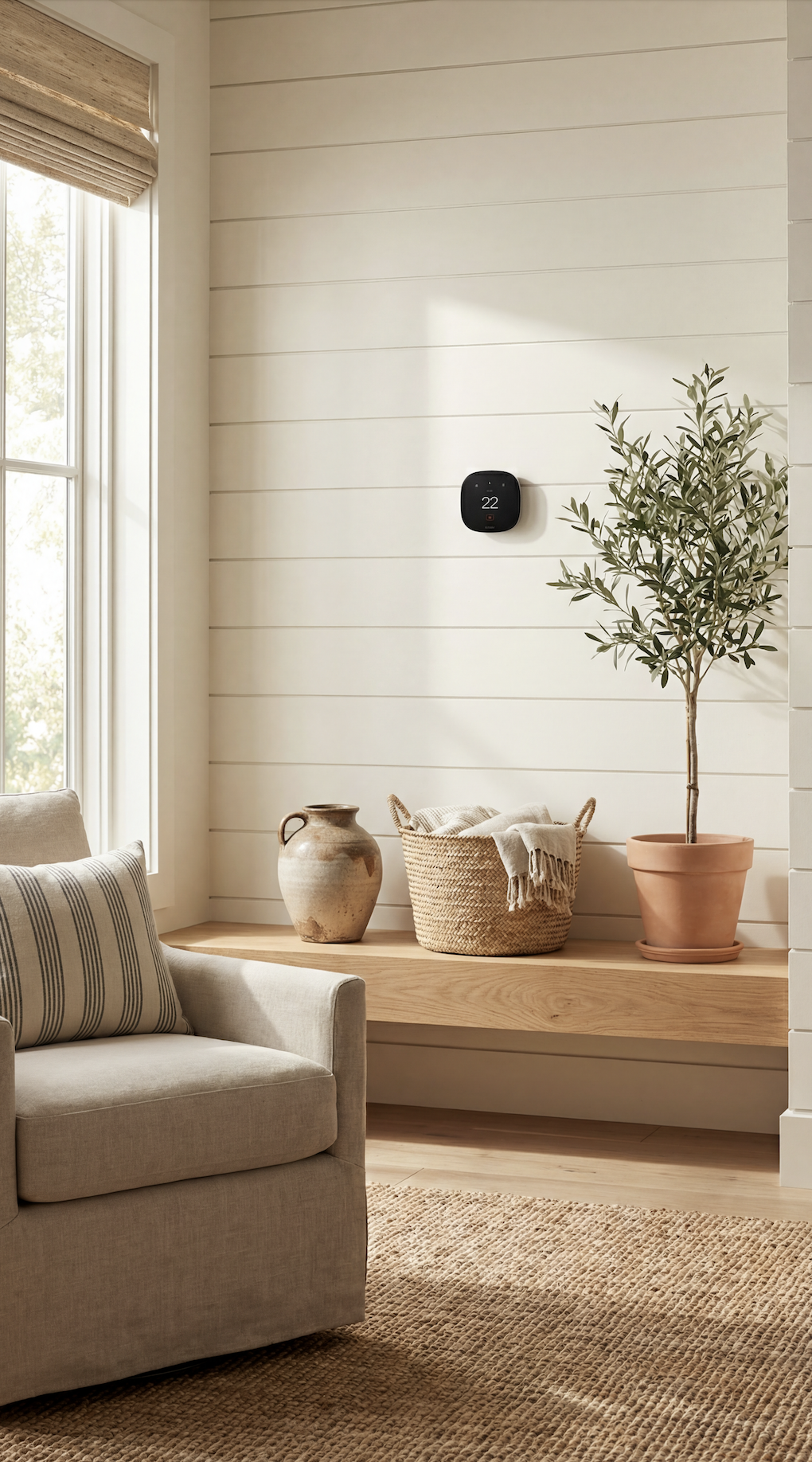
Constantly Adjusting the Thermostat
Few things are as annoying as a house that never feels quite right.
Too cold in the morning. Too warm by mid afternoon. Adjusting the thermostat multiple times a day and still not being comfortable.
The Tech That Solves It: Smart thermostats that learn your routine
What They Eliminate
Manual temperature changes
Waking up to a cold house
Forgetting to adjust the temperature before leaving
Smart thermostats learn when you are home, when you sleep, and when you leave. They automatically adjust temperature based on patterns instead of guesses. My top three recommendations:
Best for: People who want a thermostat that basically “runs itself”
What frustration it solves:
Constantly adjusting the temperature throughout the day
Forgetting to turn the thermostat down when leaving the house
Waking up to a cold home
How it works:
The Nest Learning Thermostat actually learns your patterns over time. After a few days of manual adjustments, it starts to automatically adjust the temperature based on your habits.
Everyday benefit:
You never have to think about your thermostat again. It adjusts itself proactively so the temperature always feels right when you walk into a room.
Ideal for people who:
Prefer automation over manual control
Want simple, hands-off comfort
Hate constantly fiddling with settings
2. Ecobee Smart Thermostat Premium
Best for: Families and multi-room homes
What frustration it solves:
Uneven temperature throughout different rooms
Hot or cold spots that never seem comfortable
Waking up too warm or too cold
How it works:
The Ecobee uses additional room sensors that communicate with the main unit. This means the thermostat doesn’t just rely on temperature at a single point. It balances comfort across several rooms simultaneously.
Everyday benefit:
No more arguments about one room being too warm and another too cold. The Premium model also has built-in voice control and better air quality monitoring.
Ideal for people who:
Have larger homes
Live in homes with rooms that heat or cool unevenly
Want smart climate control for the whole house
Best for: Budget smart thermostat shoppers
What frustration it solves:
Forgetting to adjust the thermostat when leaving home
Basic comfort automation without excess features
Smart control without spending a lot
How it works:
This thermostat connects to your home WiFi and allows you to control the temperature from your phone, Alexa, or the Amazon app. It won’t learn patterns like Nest, nor does it support multi-room sensors like Ecobee, but it does handle scheduling, remote control, and basic automation.
Everyday benefit:
You get remote access and scheduling at a lower price point. If your home just needs smarter basic control, this is often enough.
Ideal for people who:
Want smart features without the higher price tag
Use Alexa for home control
Have a smaller home or single-zone HVAC
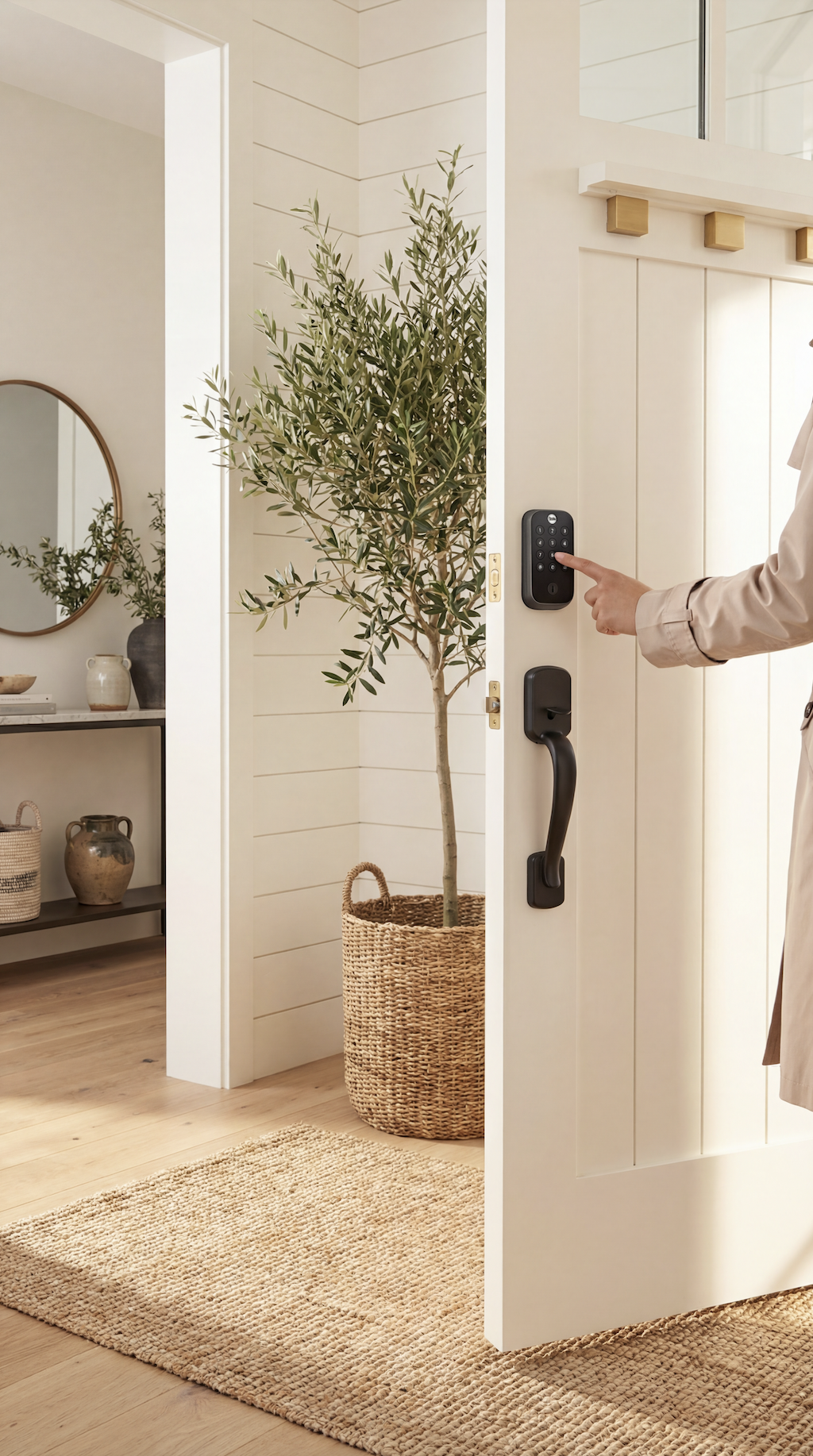
Losing Keys or Unlocking the Door With Full Hands
Almost everyone has had the moment where they are juggling groceries, kids, or bags while digging for keys.
It is inconvenient at best and frustrating at worst.
The Tech That Solves It: Smart locks with keypad or app entry
What This Eliminates
Digging for keys
Locking yourself out
Worrying if the door is locked
With a smart lock, you can unlock your door with your phone, a keypad code, or even automatically when you approach. My top recommendations:
Best for:
People who want built-in WiFi with no extra hubs
Homeowners who want simple setup and strong security
Anyone who uses voice assistants like Alexa or Google Home
What frustration it eliminates:
Fumbling for physical keys
Locking yourself out
Worrying whether the door is locked once you leave the house
Carrying multiple keys for every family member
Why it stands out:
The Schlage Encode Smart WiFi Deadbolt connects directly to your home WiFi. That means you do not need a hub or extra accessories to use its smart features.
Everyday value:
✔ Lock and unlock your door from anywhere
✔ Create and manage unique user codes for family and guests
✔ Integrate easily with smart home assistants
✔ Built-in alarm technology for added security
This lock is designed for people who want the most straightforward connected experience without extra setup.
Best for
People who want custom smart home ecosystem flexibility
Tech lovers who already use smart hubs like Apple HomeKit, Samsung SmartThings, or Z-Wave
Homes with multiple connected devices
What frustration it eliminates
Locking and unlocking manually
Carrying keys for every household member
Sending temporary access codes to visitors or service workers
Locks that feel outdated or hard to use
Why it stands out
The Yale Assure Lock is built around compatibility. On its own, many models can be operated with a keypad. But where it truly shines is in how easily it connects to different smart home systems.
Everyday value:
✔ Works with Apple HomeKit, Alexa, Google Assistant
✔ Works with smart hubs like SmartThings or Wink
✔ Allows temporary access codes for guests
✔ Some models offer touchscreen keypads
This lock is ideal for people who want maximum flexibility in how it integrates with their existing smart home setup.
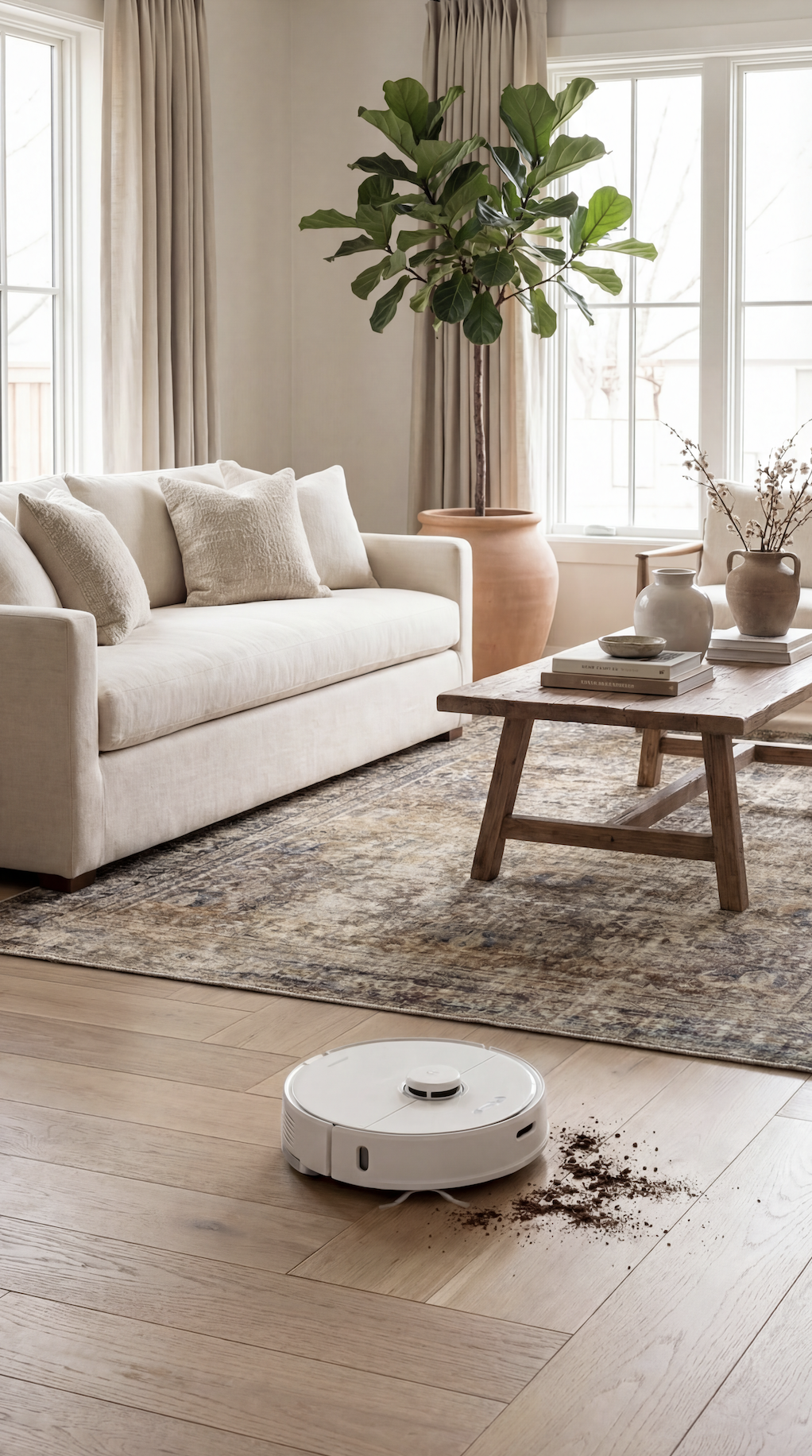
Cleaning Floors More Often Than You Want To
Dust, crumbs, pet hair, and everyday debris build up faster than most people realize.
Manually vacuuming or sweeping feels like a chore that never ends.
The Tech That Solves It: Robot vacuums and mop combos
What They Eliminate
Daily sweeping
Visible dirt between cleanings
Feeling behind on cleaning
Robot vacuums quietly clean on a schedule, often while you are not home. Floors stay consistently clean instead of cycling between dirty and spotless. Here are my preferred robot vacuums:
Best for
Deep cleaning performance
Homes with pets
Scheduled automated cleaning with advanced navigation
People who want “set it and forget it” cleaning
What daily frustration it eliminates
Piles of pet hair on the floor
Frequent manual vacuuming
Missing dust in corners or under furniture
Floor cleaning that feels inconsistent
Why Roborock stands out
Roborock vacuums tend to have more powerful suction and advanced obstacle detection compared to many competitors. They map your home so they know where they have cleaned and where they still need to go. This makes them better for larger homes or homes with complex layouts.
Everyday benefit:
Floors stay consistently clean without you needing to think about scheduling or multiple passes.
2. Eufy RoboVac
Best for
Smaller homes or apartments
People who want simple cleaning with minimal setup
Budget friendly robot vacuum options
What daily frustration it eliminates
Manual vacuuming in small or easy layouts
Sweeping up light dust and debris
Daily floor cleaning without investing in a high-end model
Why Eufy stands out
Eufy RoboVacs are known for being easy to set up and use. They typically do not require extra hubs or complicated app integration and are very straightforward.
Everyday benefit:
You get reliable basic cleaning without overpaying for features you may never use.
Forgetting to Turn Appliances Off
Did you leave the coffee maker on? The curling iron? The space heater?
This low grade anxiety is surprisingly common.
The Tech That Solves It: Smart plugs
What This Eliminates
Worrying about appliances
Unnecessary energy use
Running back home to check
Smart plugs let you control power remotely or schedule devices to shut off automatically. Being able to check and shut off appliances remotely removes an entire category of worry. Here are the ones I use:
Best for
People who want a reliable, well-rounded smart plug
Users who want energy tracking
Those who want a robust smart home ecosystem
What frustration it eliminates
Forgetting to turn off appliances when you leave home
Leaving lights or heaters running by accident
Worrying about plugged-in devices once you are away
Why it stands out
The TP Link Kasa Smart Plug is one of the most popular smart plugs because it is easy to set up on your home WiFi with no extra hub required. It integrates well with Alexa, Google Assistant, and even some routines with other devices.
Everyday benefit:
You can turn off appliances from your phone no matter where you are, set schedules to automatically shut off devices, and even see energy usage data if you want to monitor consumption.
Best for
People who use Alexa as their primary smart assistant
Those who want simple controls without extra setup
Users who want basic automation at a lower price
What frustration it eliminates
Fumbling for device switches at night
Forgetting to shut off lights or small appliances
The daily worry of leaving something on
Why it stands out
The Amazon Smart Plug integrates directly into the Alexa app and works with all Alexa routines. There is no separate app to install, and no hub necessary.
Everyday benefit:
If you use Alexa frequently, this plug feels like it was made for you. You can say “Alexa, turn off the heater” without lifting a finger.
Best for
Users who want budget-friendly smart control
People who want simple scheduling with an easy-to-use app
Anyone who already uses other Wyze devices
What frustration it eliminates
Forgetting to turn off lamps by bedtime
Leaving fans or personal heaters running
Manual scheduling of appliances
Why it stands out
The Wyze Smart Plug combines a very affordable price point with a highly functional app and reliable performance. It integrates with Google Assistant and Alexa and supports scheduling right from the app.
Everyday benefit:
You get smart control without paying more for features you do not need.

Poor WiFi in Certain Rooms
Slow internet in bedrooms, basements, or offices is a constant frustration, especially for work from home households.
The Tech That Solves It: Mesh WiFi systems
What This Eliminates
Dead zones
Dropped video calls
Constant router resets
Mesh systems blanket your home with consistent coverage. Reliable internet everywhere removes friction from work, entertainment, and daily routines. The Mesh Wifi Systems I rely on the most:
Best for:
Ease of setup
Homes that are not extremely large but need full coverage
Simple management without advanced networking knowledge
Daily Frustration It Eliminates
Dead zones in the kitchen, bedrooms, or garage
WiFi that drops when you walk to another room
Slow connections during Zoom calls or video streaming
Key Features
Built-in Google Assistant on some nodes
Seamless roaming from room to room
Coverage that expands easily with additional points
Simple app interface
Why It Works
Google Nest WiFi replaces your old router and creates a mesh network that blankets the whole home. It knows when your device moves from one part of the house to another and keeps you connected without dropping signal or slowing down.
Best for:
Larger homes or multi-story houses
Users who want plug-and-play simplicity with excellent performance
Homes with lots of connected devices
Daily Frustration It Eliminates
Slow WiFi when multiple devices are in use
Low signal strength upstairs or in outlying rooms
Unpredictable buffering or lag
Key Features
Easy setup through the Eero app
Great performance across large square footage
Works with Alexa for voice network management
Frequent updates that improve performance over time
Why It Works
Eero was one of the earliest consumer mesh systems designed for easy home use. It’s known for being simple to install and reliable, even in larger homes where a single router just can’t keep up.
Best for:
Lower cost yet capable performance
Homes with a mix of devices and moderate coverage needs
Users who want strong features without premium pricing
Daily Frustration It Eliminates
Weak signal at the far end of your house
Interference from multiple connected devices
Gaps in coverage that frustrate streaming or gaming
Key Features
Usually more affordable than some high-end competitors
Coverage that easily expands with additional nodes
Good parental controls and guest network options
Works with Alexa and Google Assistant
Why It Works
Deco systems are known for being cost-effective while still covering most homes well. They can handle many connected devices without slowing down and give you smooth coverage from front door to backyard.
Not Knowing About Small Problems Until They Are Big
Leaks, humidity, air quality issues often go unnoticed until damage occurs.
The Tech That Solves It:
Smart Sensors:
Aqara Water Leak Sensor - This quietly monitors places like under sinks, near washing machines, in basements, or by water heaters, and immediately alerts your phone the moment it detects moisture where it shouldn’t be. It is extremely small, easy to install (just set it on the floor near potential leak spots), and works with many smart home ecosystems so you can tie it into routines or notifications. This product eliminates the daily worry of “is there water where I can’t see it?” and can save you from costly damage by catching leaks early.
Smart Monitores:
Govee WiFi Temperature and Humidity Monitor - Tracks how warm or humid a room is and sends real-time alerts to your phone if levels go outside your preferred range. It’s ideal for bedrooms, basements, home offices, or indoor plant areas where temperature swings and humidity can cause discomfort or damage. With an easy WiFi setup and a straightforward app, this monitor solves the frustration of guessing indoor conditions and lets you take action before it feels too dry, too damp, or too hot.
Airthings Air Quality Monitor - Measures indoor air quality, including things like volatile organic compounds (VOCs), carbon dioxide, humidity, and sometimes even radon, and then shows you how healthy or unhealthy the air in your home really is. Many people don’t realize how poor indoor air can affect focus, sleep, or allergies, but this device gives real data and actionable alerts. If you have ever wondered “why does the house feel stuffy or off?” this monitor eliminates that uncertainty and helps you improve your home environment with confidence.
What This Eliminates
Surprise water damage
Guessing about indoor air quality
Hidden home issues
Sensors notify you immediately when something changes. Catching problems early saves money and stress long term.
Why These Small Changes Matter More Than Big Upgrades
None of these products change how your home looks. But together, they change how it feels to live in it.
Less thinking. Less checking. Less adjusting. Your home begins working in the background instead of demanding attention.
That is what truly makes a home feel modern and well designed.
Related Reads You Might Love
If you want to keep refining this approach, these posts pair perfectly with this refresh method:
How to Make Your Home Feel Like Spring Without Buying New Decor
Why Your Home Still Feels Heavy and How to Fix It
What Makes a Home Feel Expensive Without Renovating