
Smart Small Space DIY Projects That Add Big Value
Small spaces get a bad reputation.
People assume value comes from adding square footage, knocking down walls, or taking on big renovations. But in reality, some of the most impactful upgrades happen in the smallest, most overlooked areas of a home.
Corners. Closets. Awkward gaps. Narrow walls. Vertical space that is doing absolutely nothing. The truth is, small space projects are often where you get the biggest return on effort. They cost less, take less time, and immediately change how a home functions day to day.
If you have ever looked around your house and thought, there has to be a better way to use this space, this post is for you!
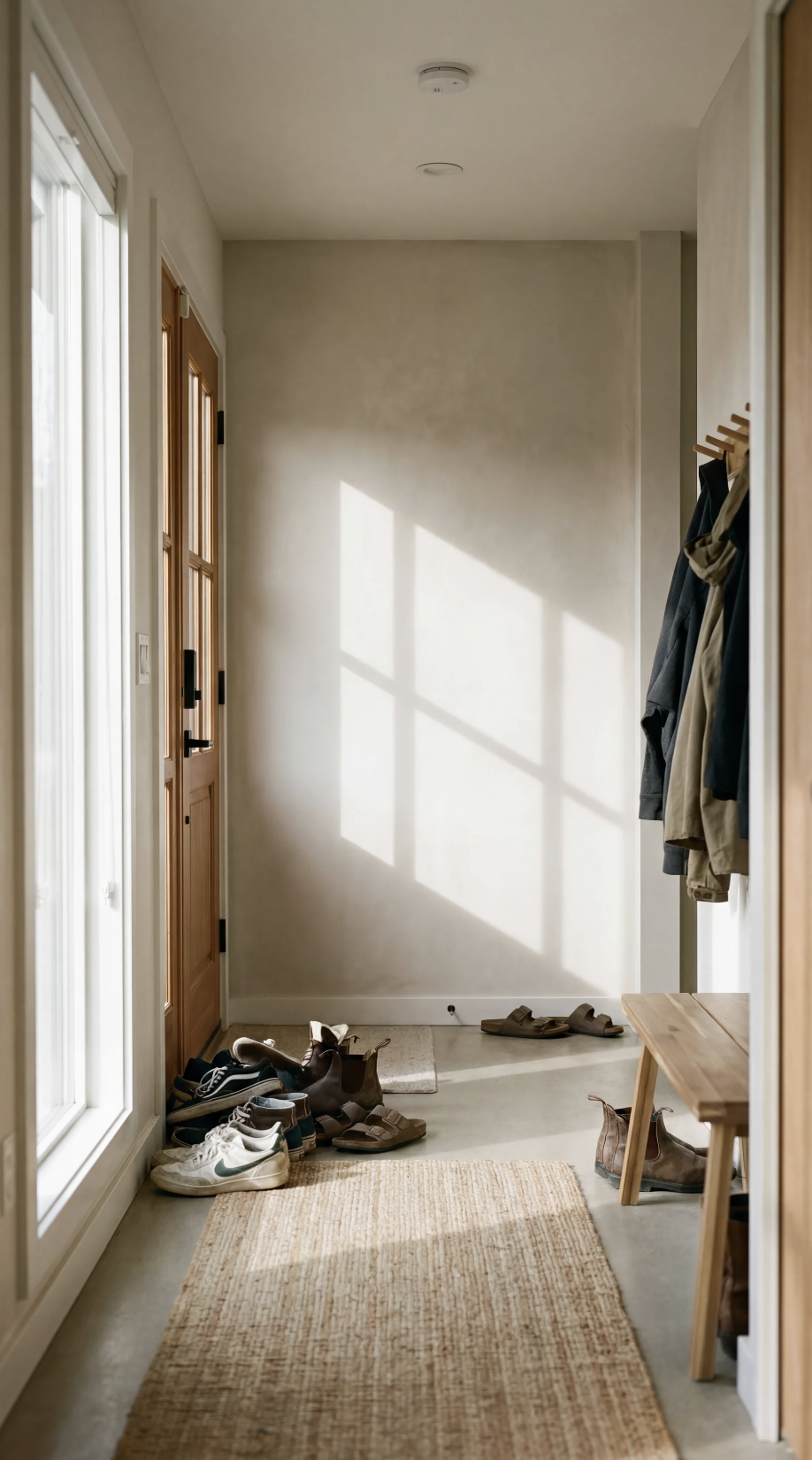
Start With the Spaces That Feel frustrating
A good rule of thumb: if a space constantly frustrates you, it probably has hidden value. That awkward spot by the front door where shoes pile up. The narrow laundry area where everything feels cramped. The empty wall that never quite gets used.
Before jumping into tools or materials, take a slow walk through your home and notice where clutter collects or movement feels awkward. Those spots are almost always opportunities.
Turn Dead Wall Space Into Functional Storage
Walls are one of the most underused assets in small homes. A narrow wall that feels useless can often hold floating shelves, slim cabinets, or wall-mounted organizers that completely change how a room works.
In kitchens, adding floating shelves above counters or in tight corners creates storage for everyday items without making the room feel heavy. Solid wood or metal floating shelf brackets paired with simple shelving boards keep the look clean and sturdy.
In hallways or entryways, a shallow wall-mounted cabinet or rail system can hold keys, mail, bags, and daily essentials that otherwise end up scattered.
Products like heavy-duty floating shelf brackets or modular wall-mounted storage rails integrate seamlessly and feel intentional instead of improvised.
Upgrade Closet Space Without Rebuilding It
Closets rarely come set up in a way that makes sense for real life. Most builder-grade closets waste vertical space and rely on a single rod and shelf, which limits storage dramatically.
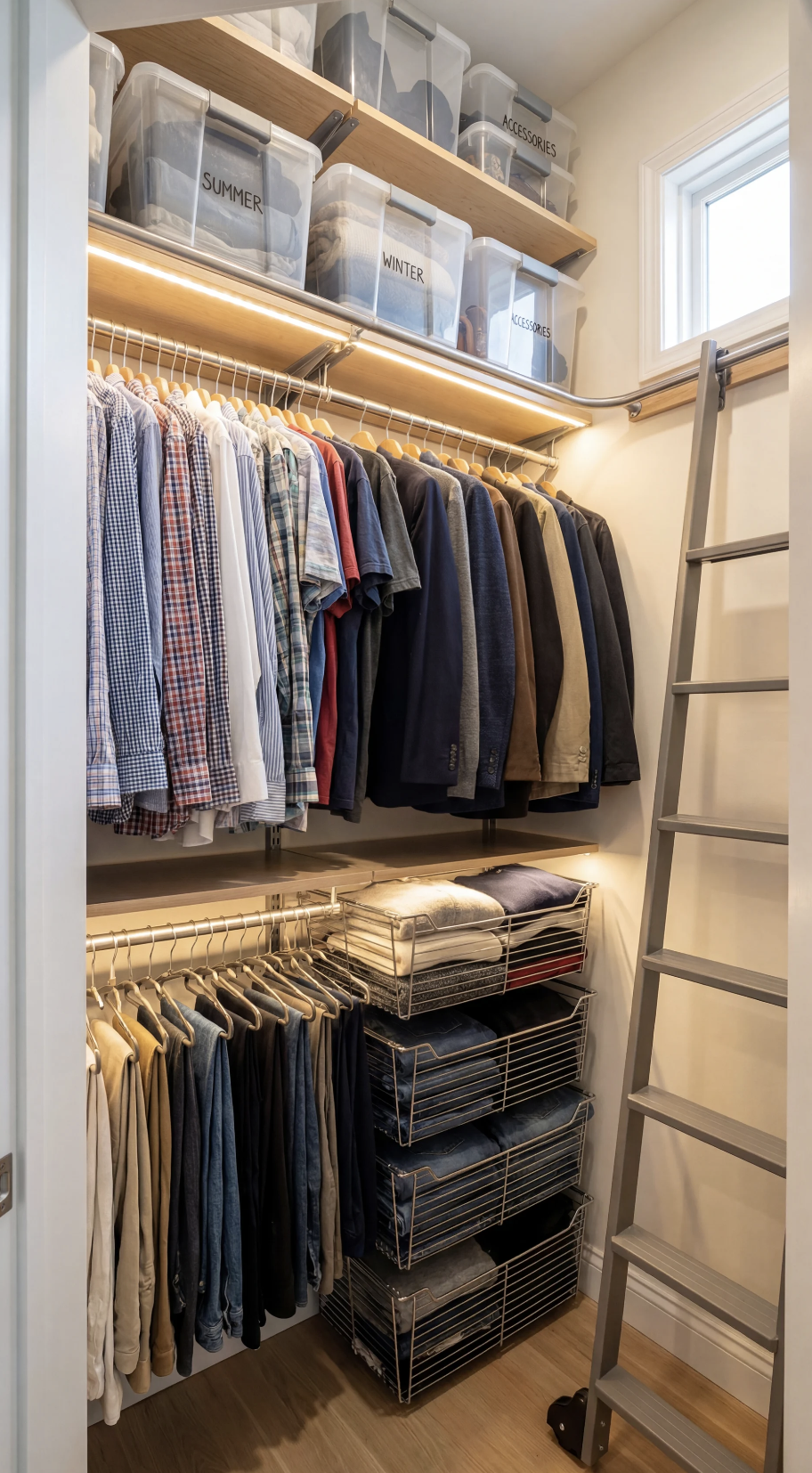
Adding a second hanging rod instantly doubles hanging capacity in many closets. Closet rod expansion kits are inexpensive and install with basic tools, yet the impact feels dramatic.
For deeper closets, pull-out wire drawers or stackable storage bins allow you to store folded clothes, shoes, or accessories without losing visibility. Clear-front bins work especially well because you can see what you own without digging.
Even adding a simple motion-activated LED light inside a closet can change how usable the space feels, especially in small bedrooms or apartments.
Make Narrow Laundry Areas Work Harder
Laundry spaces are often tucked into corners, closets, or narrow rooms, which makes them feel chaotic fast.
The key here is vertical organization. Installing wall-mounted shelving above the washer and dryer creates space for detergents, baskets, and cleaning supplies without taking up floor space. Adjustable metal shelving systems are ideal because you can move shelves as needs change.
Adding a slim rolling laundry cart between the washer and dryer uses space that usually goes wasted. These carts are perfect for detergent bottles, dryer sheets, and stain removers, and they slide out easily when needed.
Wall-mounted drying racks that fold flat when not in use are another underrated upgrade. They give you drying space without cluttering the room permanently.
Use Furniture That Does Double Duty
In small spaces, furniture that serves only one purpose is a missed opportunity.
Storage benches near entryways provide seating and hidden storage for shoes, bags, or seasonal gear. Look for benches with lift-up lids or drawers so everything has a place. Beds with built-in drawers or under-bed storage bins are game changers in small bedrooms. Low-profile rolling storage bins with lids keep items dust-free and easy to access.
In living rooms, nesting tables or storage ottomans offer surface space when needed and tuck away when not in use. These upgrades add value because they reduce clutter without adding bulk.
Improve Bathroom Storage Without Expanding the Room
Bathrooms are small, high-traffic spaces where clutter builds fast.
Instead of bulky cabinets, look upward. Installing shelves above the toilet creates storage for towels, baskets, and extra supplies. A wall-mounted cabinet with a shallow profile keeps things hidden while preserving floor space.
Inside the shower, adhesive corner shelves or tension pole caddies keep toiletries off ledges and reduce clutter. Modern adhesive organizers are surprisingly strong and avoid drilling into tile.
Under the sink, stackable bins or pull-out organizers make it easier to use the full depth of the cabinet without losing items in the back.
Add Storage Where You Stand Still
One overlooked trick in small homes is adding storage where you already stop and pause.
By the door. In front of the mirror. At the foot of the bed.
A slim console table behind a sofa can hold baskets for blankets, games, or electronics. A narrow dresser at the foot of the bed provides storage without crowding the room. In kitchens, toe-kick drawers installed beneath cabinets create storage in a place that is usually wasted. Even simple slide-out organizers in lower cabinets make deep spaces easier to use.
These upgrades add value because they align with how people naturally move through a space.
Use Hooks and Rails Instead of Bulky Furniture
Hooks are one of the simplest small-space upgrades, yet they are often underused.
Wall-mounted hook rails in entryways, kitchens, and bathrooms replace bulky coat racks and free up floor space. Installing hooks inside closets, pantry doors, or cabinet doors adds storage without visual clutter.
Heavy-duty wall hooks work well for bags, headphones, or even folding chairs. Over-the-door hook systems are great for renters or anyone avoiding permanent changes. The key is spacing and consistency. When hooks are aligned and intentional, they look designed, not cluttered.
Improve Lighting to Make Spaces Feel Larger
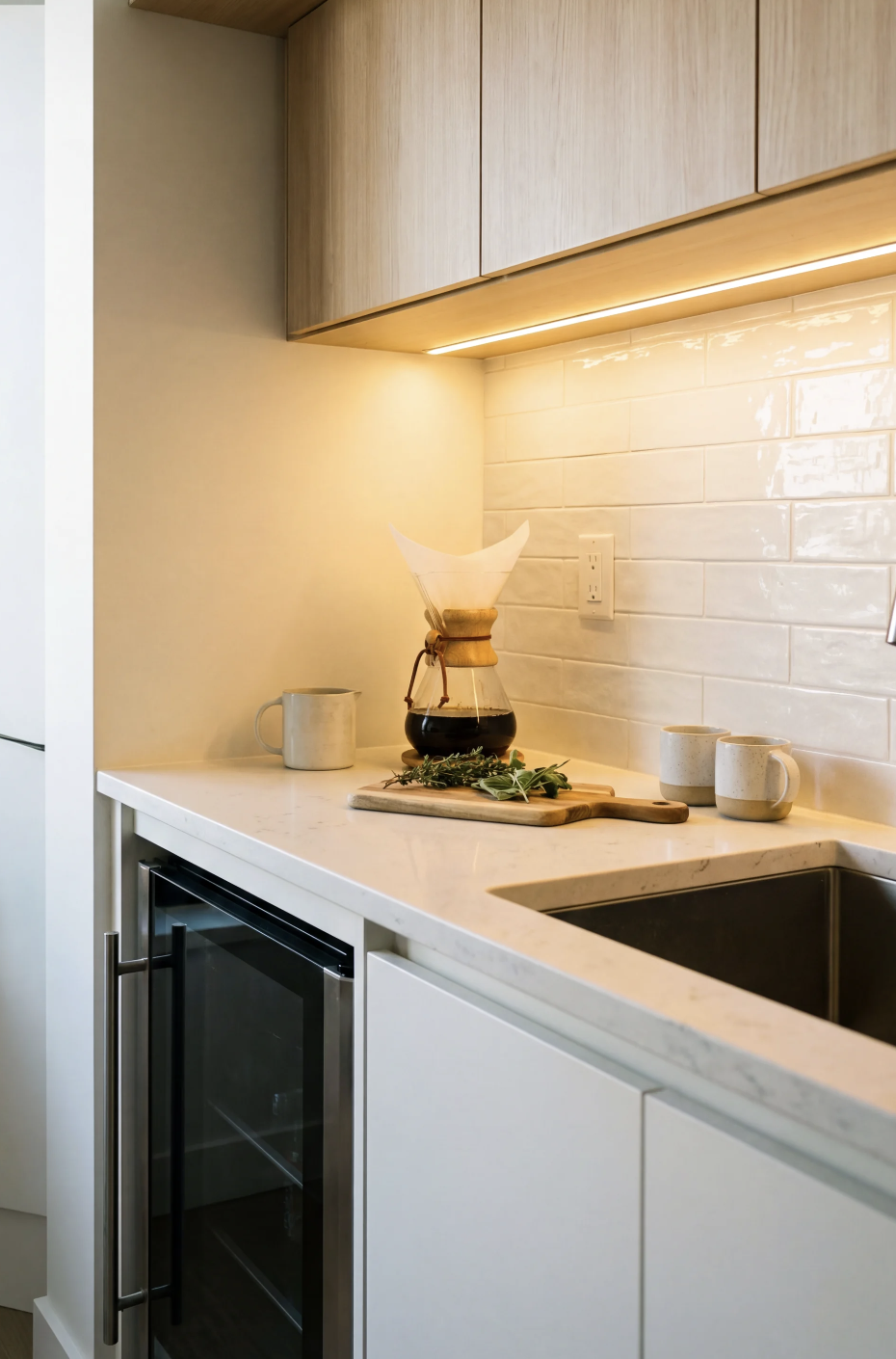
Lighting is a small-space upgrade that adds value instantly. Dark spaces feel cramped, even if they are not physically small.
Adding under-cabinet LED lighting in kitchens or closets improves visibility and makes spaces feel more open. Stick-on LED light strips or puck lights are easy to install and often battery-powered, making them ideal for tight areas. In hallways or stairwells, motion-activated lights improve safety and convenience without needing new wiring.
Better lighting makes small spaces feel purposeful instead of forgotten.
Create Hidden Storage Where You Least Expect It
Some of the best small-space projects are the ones people do not immediately notice. A mirror that opens to reveal storage. A bench that lifts. A cabinet built into the side of a kitchen island. A shelf tucked above a doorway.
Even something as simple as adding magnetic strips inside cabinet doors to hold spices or tools can free up drawer space. These projects add value because they make a home feel thoughtfully designed.
Final Thoughts
Small spaces are not a limitation. They are an opportunity. The homes that feel the most functional are rarely the biggest ones. They are the ones where every inch works with intention.
Smart small-space DIY projects do not require major renovations or big budgets. They require noticing where space is being wasted and choosing upgrades that align with how you actually live.
If you focus on projects that improve flow, reduce clutter, and add flexible storage, the value shows up every single day.
You do not need more space. You need better use of the space you already have.