
Smart Swaps for a Low-Maintenance Home
Most homes don’t feel high-maintenance because something is broken.
They feel high-maintenance because of friction.
Little things that need constant attention. Surfaces that show dirt immediately. Systems that technically work but require babysitting. Materials that look great on day one but demand more effort than they’re worth over time.
The goal of a low-maintenance home isn’t to stop caring. It’s to care once, wisely, instead of over and over again.
The swaps below aren’t dramatic renovations. They’re quiet changes that remove effort from daily life. And once you make them, you’ll wonder why you lived with the old version for so long.
Swap Surfaces That Show Everything for Ones That Hide Wear Gracefully
One of the biggest sources of daily frustration in a home is surfaces that look dirty immediately after you clean them.
High-gloss finishes, dark countertops, and ultra-smooth materials photograph beautifully, but they demand constant wiping. Every fingerprint, water spot, and dust particle shows up.
A smarter swap is choosing finishes that forgive real life.
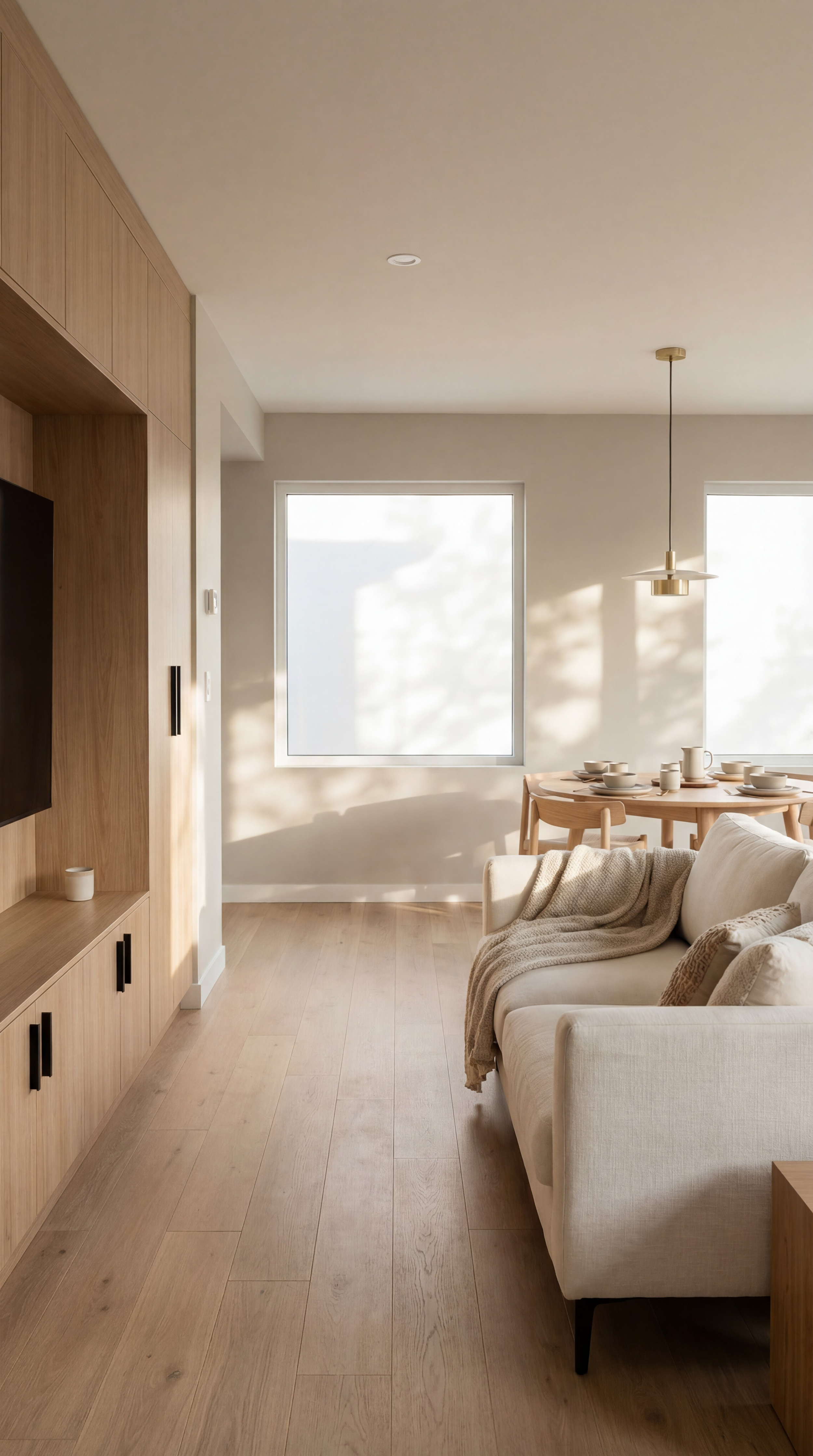
Matte or satin finishes on cabinetry hide smudges better than gloss. Light to mid-tone countertops with subtle patterning disguise crumbs and water marks far better than solid dark stone. Even switching to a slightly textured backsplash tile can dramatically reduce how often you feel the need to wipe it down.
In bathrooms, swapping glass shelves for solid ones reduces water spotting. Choosing fixtures with brushed or matte finishes instead of polished chrome minimizes visible fingerprints.
These aren’t aesthetic downgrades. They’re usability upgrades.
Replace “Clean Often” Floors with Floors That Tolerate Real Life
Floors are one of the most obvious maintenance drains in a home.
Some materials look incredible but punish you for living on them. High-gloss hardwood shows every scratch. Dark floors highlight dust constantly. Thick carpets trap odors and stains.
Low-maintenance flooring doesn’t mean cheap or boring. It means durable, forgiving, and easy to refresh.
Engineered hardwood with a matte finish, and porcelain tile designed to mimic stone or wood all handle wear far better than traditional options. They clean easily, resist moisture, and don’t demand special products or techniques.
Even if replacing flooring isn’t on the table, small swaps help. Using quality floor mats at entrances reduces debris dramatically. Switching to a microfiber mop system that cleans effectively without soaking the floor saves time and extends the life of the surface.
Swap “Scrub Forever” Cleaning for Tools That Do the Work
Many homes feel high-maintenance because cleaning takes too much effort.
The problem usually isn’t the mess. It’s the method.
Steam cleaners are a great example of a low-maintenance swap. Instead of scrubbing grease, soap scum, and grime repeatedly with chemicals, steam loosens buildup so it wipes away. This works especially well for grout, shower doors, stovetops, and floor corners.
Microfiber cleaning cloths are another small upgrade that changes everything. They lift dust and dirt instead of pushing it around, which means fewer passes and less product.
Once you switch to tools that do more of the work for you, cleaning stops feeling like a constant battle.
Replace Products That Mask Problems with Ones That Prevent Them
Air fresheners, deodorizers, and scented sprays are often used to cover issues instead of solving them.
A low-maintenance home focuses on prevention over masking.
For example, instead of constantly battling sink odors, cleaning the sink overflow and drain channel periodically prevents smells from forming. Foaming drain cleaners work well here because they expand into hidden areas.
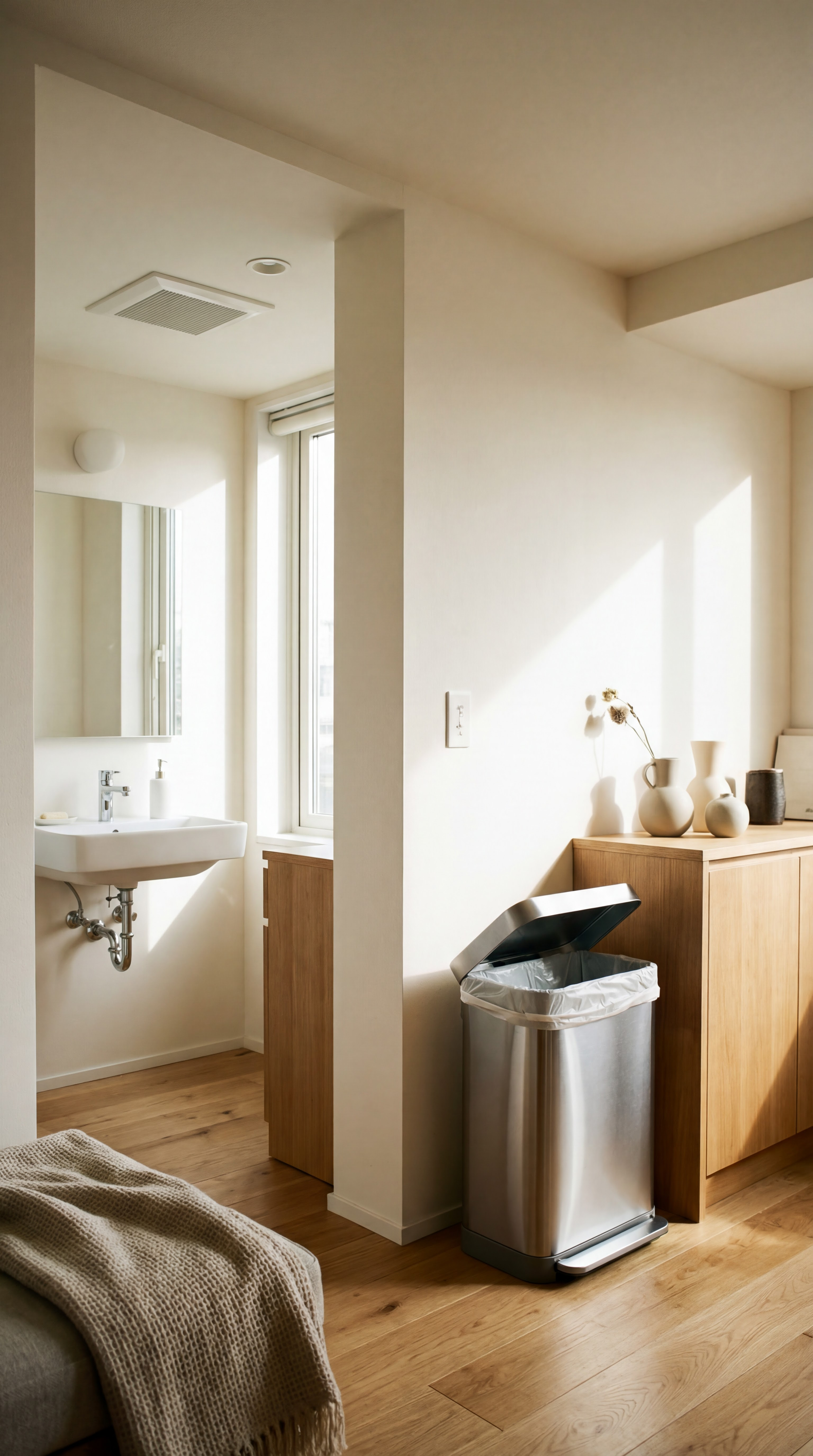
In bathrooms, ensuring exhaust fans are clean and functional reduces moisture buildup, which prevents mold and lingering smells. In some cases, swapping an old, noisy fan for a quiet, higher-capacity one is a one-time fix that pays off every day.
Trash cans are another common issue. Choosing cans with removable inner liners and smooth interiors makes deep cleaning easier. Odor-neutralizing sprays designed to eliminate smells instead of covering them are more effective and require less frequent use.
Swap Constant Organizing for Storage That Actually Works
Clutter isn’t always about having too much stuff.
Often, it’s about storage that doesn’t match how you live.
Low-maintenance homes rely on storage systems that make it easy to put things away without thinking. Adjustable closet shelving, pull-out pantry shelves, and pegboard-style garage walls let you adapt space instead of fighting it.
These systems don’t need to be custom or expensive. Even simple drawer dividers and shelf risers can eliminate the daily shuffle that creates clutter.
When storage is intuitive, tidying becomes automatic instead of another task on the list.
Replace “Fix Later” Plumbing Parts with Preventative Ones
Plumbing failures are one of the most disruptive home issues — and many are preventable.
One of the smartest low-maintenance swaps is replacing rubber washing machine hoses with braided stainless steel ones. Rubber hoses degrade over time and can burst without warning. Braided hoses are inexpensive, last longer, and dramatically reduce flood risk.
Adding simple water leak detectors under sinks, near water heaters, or behind appliances turns slow leaks into early warnings instead of renovations.
These are quiet upgrades you rarely think about — until you’re very glad you made them.
Swap Finicky Fixtures for Durable Hardware
Some fixtures demand more attention than they’re worth.
Loose cabinet pulls, squeaky hinges, and flimsy towel bars create constant small annoyances. Replacing them with sturdier hardware is a one-time fix that removes daily friction.
Soft-close hinges reduce wear and noise. Solid towel bars anchored properly don’t need readjustment. Commercial-grade outlets hold plugs more securely and last longer in high-use areas.
These swaps don’t change how your home looks dramatically — they change how it feels to use.

Replace “Clean It Later” Habits with Small Protective Upgrades
Low-maintenance homes often use small protective measures that prevent messes before they happen.
Lining the tops of kitchen cabinets with shelf liner or aluminum foil makes grease cleanup effortless. Using stove gap covers prevents food from falling into impossible-to-clean spaces. Sink mats protect surfaces from scratches and stains.
In entryways, washable rugs and boot trays contain dirt and moisture before it spreads through the house.
These are the kinds of swaps that quietly remove chores from your future.
Swap Manual Effort for Smart Automation Where It Makes Sense
Not every smart home feature reduces maintenance — but some genuinely do.
Smart thermostats optimize heating and cooling without constant adjustment. Leak detection alarms notify you immediately instead of relying on luck. Timers for exhaust fans ensure moisture clears even if you forget to turn them off.
Automation should reduce mental load, not add complexity. When chosen carefully, it does exactly th
Replace High-Upkeep Outdoor Choices with Simpler Ones
Outdoor maintenance often spills into indoor stress.
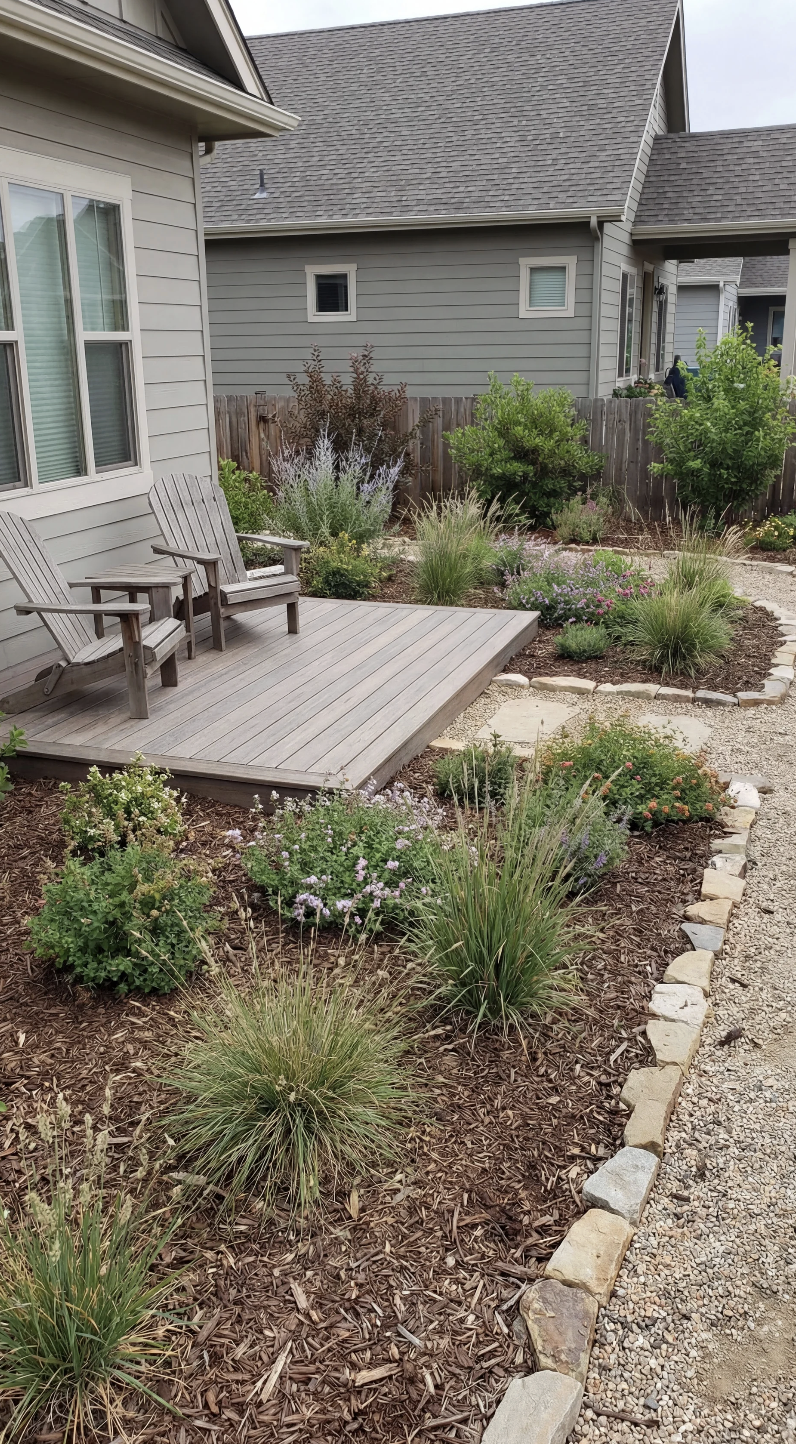
Swapping high-maintenance landscaping for simpler options reduces time spent mowing, trimming, and cleaning up debris. Native plants, mulch beds, and simple edging keep outdoor spaces tidy with less effort.
For patios and decks, choosing materials that resist staining and weathering reduces the need for constant sealing or refinishing.
Outdoor swaps matter because they reduce the amount of mess that gets tracked inside.
Final Thoughts
A low-maintenance home isn’t about doing less. It’s about doing the right things once.
Every swap in this post removes a small source of friction. On its own, each change feels minor. Together, they add up to a home that’s easier to clean, easier to manage, and easier to enjoy.
You don’t need to make every swap.
Start with the thing that annoys you most. The surface you wipe every day. The system you’re always adjusting. The mess you keep fixing instead of preventing.
That’s usually where the biggest improvement is hiding.