
Spring Cleaning Hacks That Make Your Home Feel Instantly Better
(Simple, Affordable Fixes That Actually Work)
Spring cleaning always sounds like a good idea.
Until you start.
You walk into a room, feel overwhelmed, and don’t know where to begin. Do you declutter first? Deep clean? Organize? Scrub something that already looks clean? Most spring cleaning advice makes this worse by piling on massive checklists that feel impossible to finish. The result is usually a half-cleaned house and a lot of frustration.
The truth is, spring cleaning works best when you focus on simple, high-impact hacks — the kinds of tasks that immediately make your home feel lighter, fresher, and easier to live in. These are the spring cleaning hacks people actually stick with. Not because they’re impressive, but because they work.

Declutter Before You Clean Anything
This is the step most people want to skip, and it’s the one that matters most. Cleaning around clutter makes everything harder. Surfaces take longer to wipe. Storage feels chaotic. Even clean rooms feel busy. Start by decluttering first, even if it’s just one drawer or one surface at a time.
A good rule of thumb: if you haven’t used it in the last year and it doesn’t serve a clear purpose, it probably doesn’t need to stay. Keep a donation bin nearby so decisions don’t stall the process. Once clutter is gone, cleaning becomes faster and more satisfying.
Spruce Up Your Sink (It Sets the Tone for the Whole Room)
A clean sink changes how an entire kitchen or bathroom feels. Even if everything else is tidy, a stained or dull sink makes the room feel unfinished. Spring is the perfect time to reset it properly.
Use a cleaner designed for your sink material to remove mineral buildup and dullness. For stainless steel, polishing with a microfiber cloth restores shine quickly. For porcelain, a gentle abrasive cleaner removes stains without damage.
Don’t forget the drain and overflow hole. Foaming drain cleaners help clear buildup that causes odors and slow drainage. This is a small task with a surprisingly big payoff.

Clean the Inside of Your Appliances
Some appliances look clean but aren’t.
Dishwashers, washing machines, and coffee makers all collect residue over time. That buildup affects performance and causes smells. Dishwashers have filters that trap food debris. Removing and rinsing the filter improves cleaning immediately. Running a dishwasher cleaner through a cycle removes grease and mineral scale.
Washing machines benefit from drum-cleaning cycles, especially front-load models. Leaving the door slightly open between loads helps prevent moisture buildup. These resets make appliances work better without replacing anything.
Declutter Kitchen Cabinets the Smart Way
Instead of pulling everything out at once, declutter cabinets by category. Start with expired food, duplicate utensils, or gadgets you never reach for. Removing even a small amount creates breathing room.
Shelf risers and drawer organizers help maximize space without expensive renovations. When everything has a place, clutter stops creeping back in.
Refresh Trash Cans and Recycling Bins
Trash cans quietly hold onto smells.
Even with regular bag changes, residue builds up inside. Spring cleaning is the perfect time to wash them thoroughly. Take bins outside, spray them with hot water, and scrub with a disinfecting cleaner. Odor-neutralizing sprays work better than air fresheners if smells linger.
Once clean, kitchens and mudrooms instantly smell fresher.
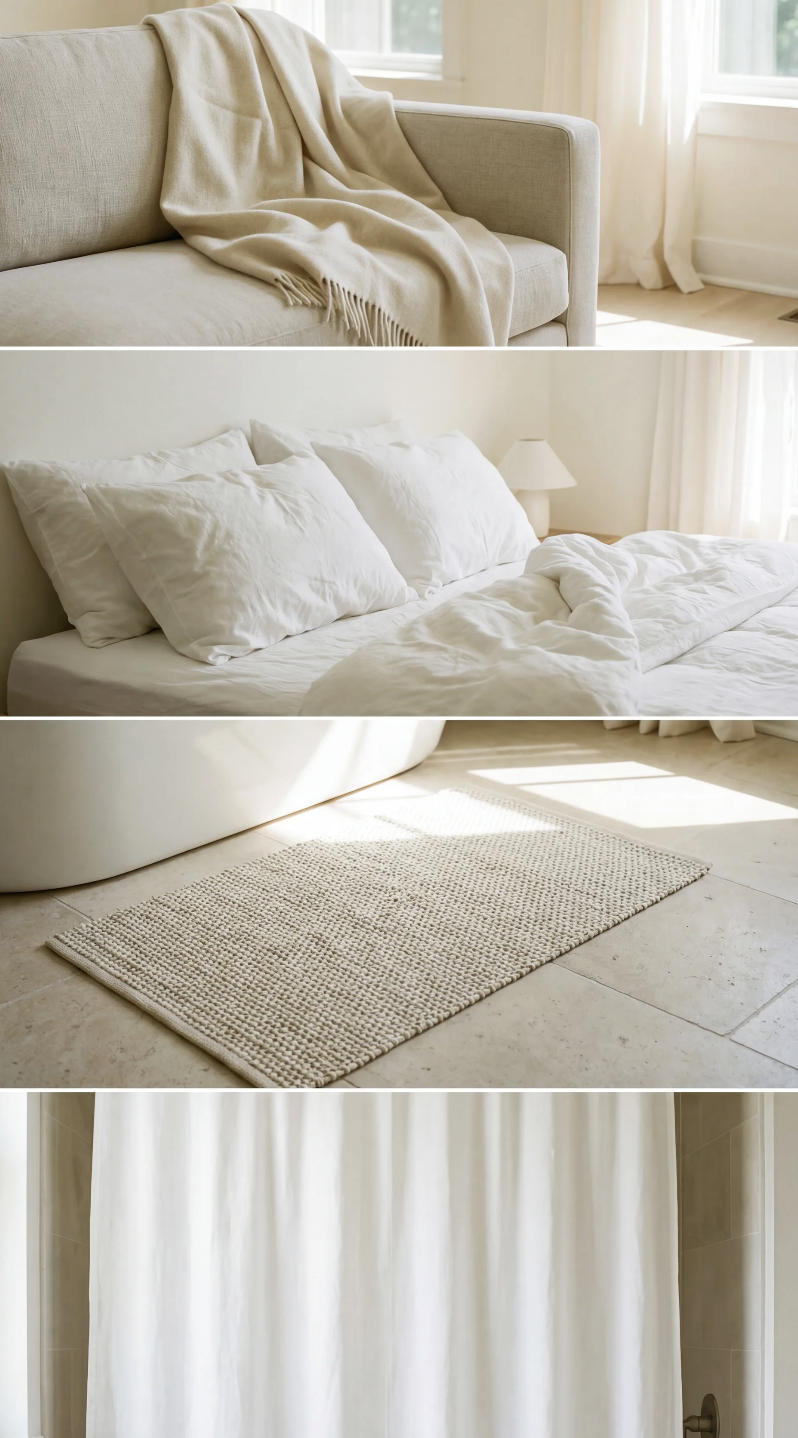
Wash What You Normally Ignore
Spring is the season to wash the things that quietly absorb dust and odors.
This includes:
throw blankets
pillow covers
bath mats
shower curtains
fabric liners
Washing these items refreshes rooms without buying anything new.
It’s one of the easiest ways to make a home feel different with minimal effort.
Clean Light Fixtures and Ceiling Fans
Dust loves high places.
Ceiling fans, light fixtures, and lamp shades collect layers of dust that get redistributed every time air moves. Wipe fan blades with a microfiber duster. Remove light covers and wash them gently. Rooms feel brighter and cleaner immediately.
This is especially noticeable in rooms that never quite feel fresh.
Declutter Closets One Zone at a Time
Closets don’t need perfection. They need usability.
Instead of reorganizing everything, start by removing what no longer fits or gets worn. Then adjust shelving or add simple organizers to make daily access easier. Matching hangers alone can dramatically improve how a closet feels and functions.
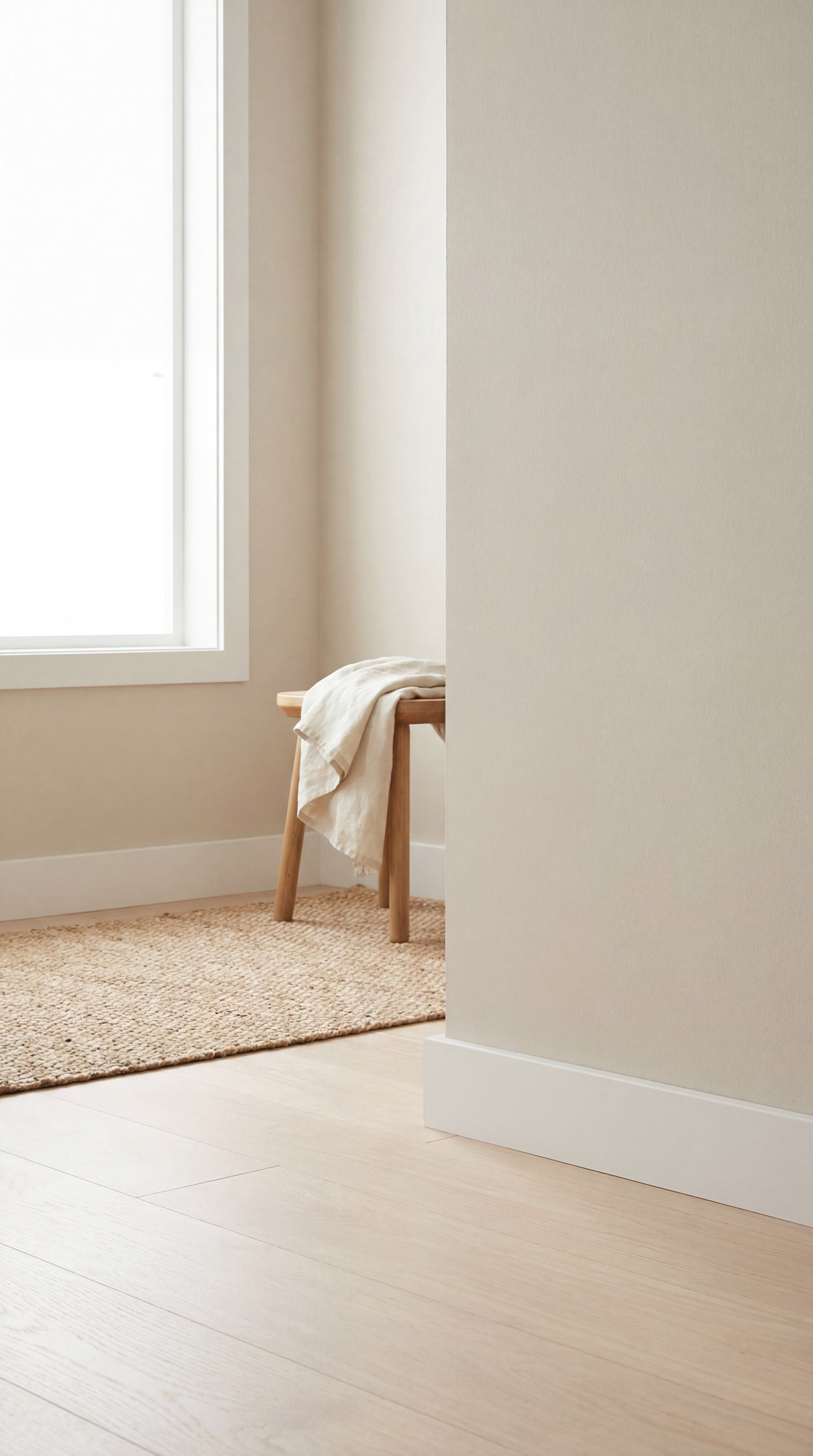
Clean Baseboards and Trim for a “Finished” Look
Baseboards collect dust and scuff marks that dull a room.
A damp microfiber cloth or vacuum brush attachment cleans them quickly. You don’t need perfection — consistency makes the difference. Once clean, rooms feel sharper without changing anything else.
Tackle Window Tracks and Sills
Windows get cleaned. Tracks usually don’t.
Dirt, bugs, and debris collect in tracks and sills, especially after winter. Vacuum loose debris and wipe with a damp cloth.This improves window operation and reduces musty smells as warmer weather arrives.
Replace or Wash Entryway Items
Entryways take a beating.
Wash or replace doormats. Wipe down doors and handles. Declutter shoes and coats that don’t belong anymore.
This sets the tone every time you walk into the house.
Reset Your Airflow
Spring cleaning isn’t just about surfaces. Replace HVAC filters. Vacuum vents and returns. Clean bathroom exhaust fan covers.
Better airflow reduces dust, improves air quality, and makes your cleaning last longer.
Finish With Small Visual Wins
The last step isn’t more cleaning — it’s finishing.
Replace burnt-out bulbs and match color temperature throughout the house. Touch up scuffed trim. Re-caulk small gaps around sinks or baseboards. These small fixes quietly elevate the entire home.
Final Thoughts
Spring cleaning doesn’t need to be overwhelming. The best results come from decluttering first, refreshing high-impact areas, and fixing the small things that make daily life smoother.
You don’t need to do everything on this list. Start with the one thing that made you think, “I should really deal with that.” That’s usually where the biggest payoff is hiding.