
The 12 Systems in Your Home That Actually Matter
When people think about upgrading their home, they usually think about what they can see. Paint colors. Furniture. Lighting. Decor.
But what makes a home feel safe, comfortable, and low stress has very little to do with what’s visible. It’s the systems.
The things behind walls. Under floors. In ceilings. In mechanical rooms. The parts of the house that quietly do their job every day without asking for attention, until they fail. If you want a home that feels stable and well cared for, these are the systems that actually matter. Not because they’re glamorous. Because they’re foundational.
1. Roof and Drainage System
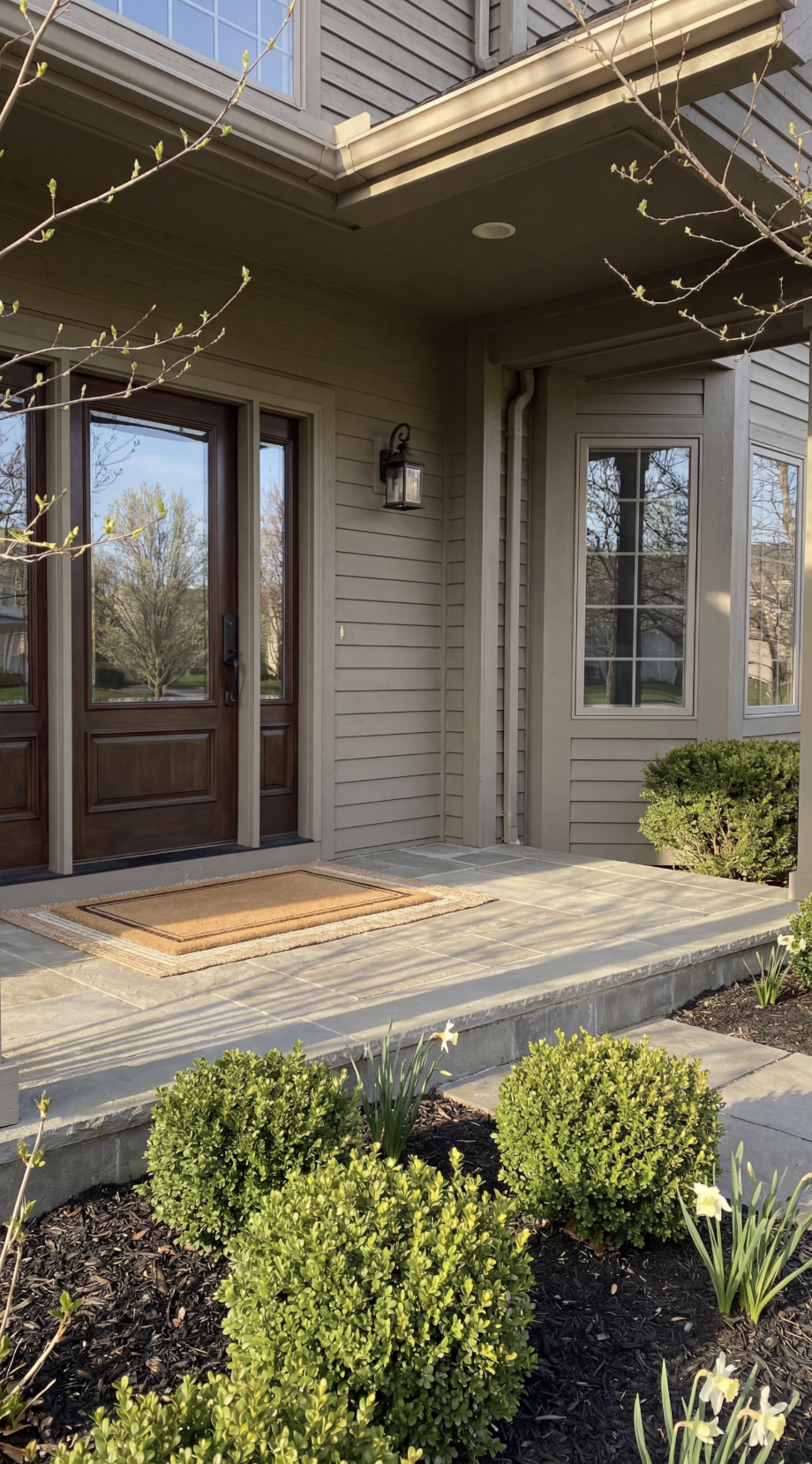
Your roof is not just shingles. It’s a water management system.
It includes:
-Shingles
-Flashing
-Underlayment
-Gutters
-Downspouts
Its job is simple. Keep water out and move it away. When this system fails, everything below it is vulnerable.
At least twice a year, inspect for missing shingles, clogged gutters, and downspouts that drain too close to the foundation. Adding simple downspout extensions can prevent thousands of dollars in water damage. Water always wins if you ignore it.
2. Foundation and Grading
Your foundation holds the entire structure. But it depends heavily on soil and drainage.
Walk your property after heavy rain. Water should move away from the house, not pool near it. If soil has settled and slopes inward, adding compacted topsoil to restore grading is one of the simplest structural protections you can make. A long level can help you confirm slope direction.
Foundation problems rarely begin dramatically. They begin with slow moisture exposure.
3. HVAC System
Heating and cooling systems determine comfort and air quality.
At minimum, replace your HVAC filter every few months. A high quality pleated filter improves airflow and protects the system from strain. If airflow feels weak, check vents for dust buildup. Vacuum return grilles. Your HVAC system works harder than most people realize. Small maintenance keeps it efficient and extends lifespan. Comfort is not decor. It’s air movement.
4. Electrical System
Your electrical system powers everything.
Open your breaker panel occasionally. Look for:
-Tripped breakers
-Signs of rust
-Loose labeling
If circuits are not clearly labeled, use a breaker label kit and take the time to map them properly. Also check exterior outlets for cracked covers or loose boxes. Weatherproof outlet covers protect against moisture and corrosion. Electrical issues rarely announce themselves politely.
5. Plumbing Supply Lines
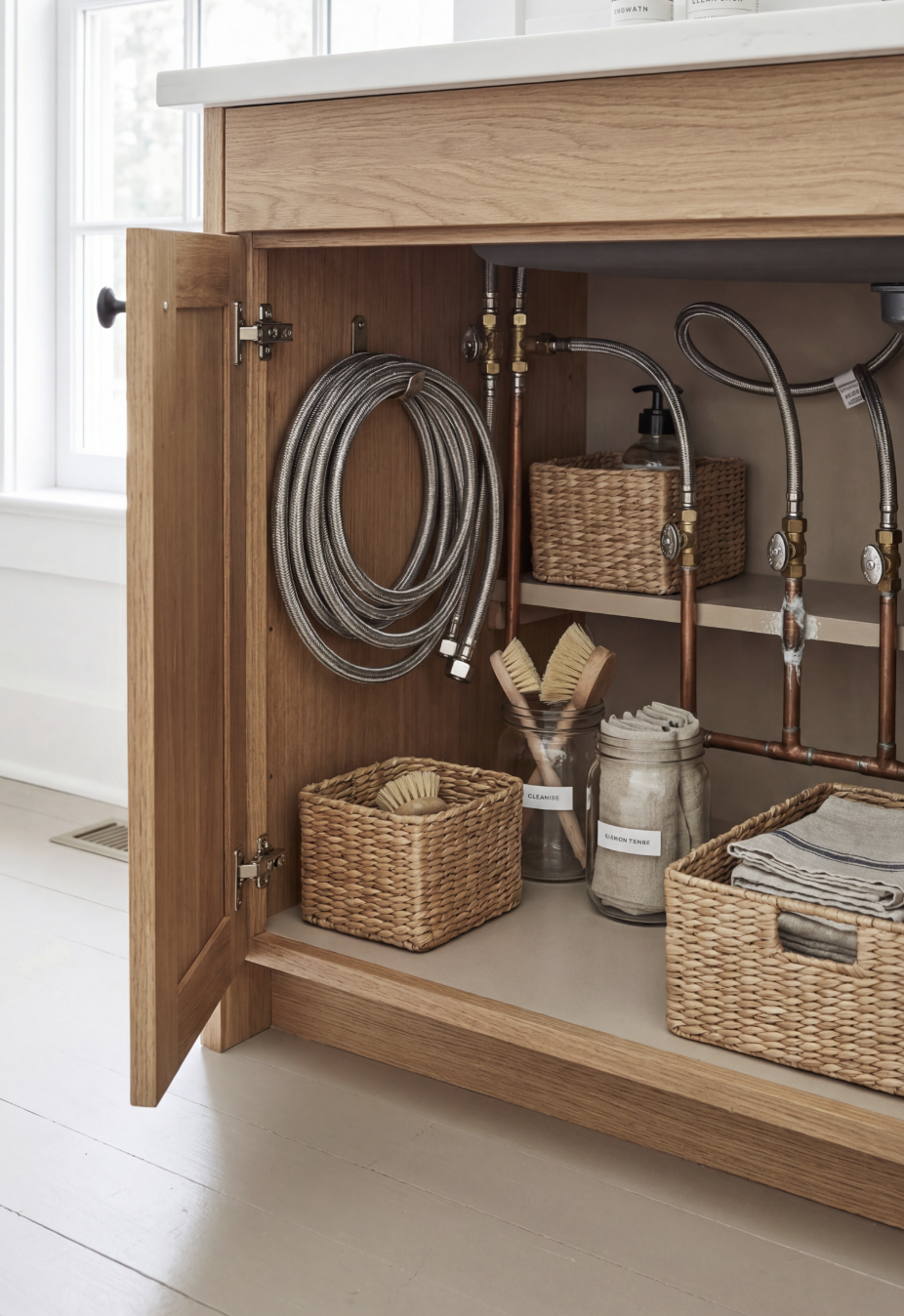
Water supply lines run behind walls, under sinks, and to appliances.
Twice a year, check under sinks and behind toilets for:
-Moisture
-Mineral buildup
-Warped cabinet bottoms
Replacing old rubber washing machine hoses with braided stainless steel hoses dramatically reduces flood risk. Plumbing supply lines are under constant pressure. Prevention matters.
6. Drainage and Waste Lines
Drains are often ignored until they clog. But slow drainage can indicate buildup or improper venting.
Clean sink overflow channels occasionally to prevent odor buildup. Foaming drain cleaners are helpful here because they expand into hidden channels. If drains gurgle or smell persistently, investigate early. Drainage systems are about flow. Flow should be smooth and silent.
7. Water Heater
Your water heater is one of the most used appliances in the house.
Check around the base for rust or moisture. If you have a tank style heater, draining a few gallons annually removes sediment buildup. Sediment reduces efficiency and increases wear. Also check the temperature setting. Excessive heat increases stress on internal components.
A neglected water heater often fails at the worst possible time.
8. Sump Pump System
If you have a basement, this system matters more than most.
Test it by pouring water into the pit. The pump should activate quickly. Consider installing a battery backup sump pump or a water level alarm for added security. Sump pumps protect finished basements and personal belongings from catastrophic loss.
They deserve attention before storms arrive.
9. Insulation and Air Sealing
Comfort and energy efficiency depend heavily on insulation and sealing.
Check attic access panels and weatherstripping around doors and windows. Replacing worn weatherstripping reduces drafts and lowers energy bills immediately. Insulation is not visible decor. But it defines daily comfort.
10. Ventilation Systems
Bathrooms and kitchens generate moisture and heat.
Remove bathroom exhaust fan covers and vacuum dust buildup.
Hold tissue to the fan while it’s running. It should pull upward strongly.
Inadequate ventilation leads to mold, peeling paint, and lingering odors.
Ventilation is moisture control.

11. Garage Door and Safety Systems
Garage doors are heavy mechanical systems.
Inspect tracks for alignment. Lubricate rollers and hinges with garage door lubricant.
Test the auto reverse feature to ensure it stops when resistance is detected.
Garage doors that hesitate or grind are asking for maintenance.
Safety systems should never be assumed.
12. Smoke and Carbon Monoxide Detection
This is the simplest system with the highest stakes.
Test detectors twice a year. Replace batteries as needed.
If units are older than ten years, replace them entirely.
Modern combination smoke and carbon monoxide detectors offer sealed batteries and improved reliability.
This system protects life, not just property.
What Actually Matters
Decor changes, trends shift and furniture gets replaced.
But these systems define:
-Safety
-Comfort
-Longevity
-Resale value
-Financial stability
A home that feels solid is a home where systems are maintained.
Most catastrophic repairs begin with a small system that was ignored.
-A loose seal.
-A clogged gutter.
-A failing hose.
-A neglected filter.
When you focus on systems instead of surfaces, your home becomes easier to live in. It feels lighter, more stable and less reactive. Because the parts that actually matter are working.