
The Quiet Signs Your Foundation Is Moving
Foundation movement rarely announces itself dramatically. There is no loud crack. No sudden collapse. No obvious moment where you think, something structural just happened.
Instead, it starts subtly. A door that rubs slightly in the spring. A hairline crack that seems a little longer than before. A window that suddenly feels tighter than it used to.
Individually, these feel harmless. Together, they tell a story. The frustrating part is that foundation movement often begins months or even years before homeowners recognize the pattern. By the time it becomes obvious, repair costs have increased significantly.
This is not about panic. It’s about learning to see what your house is already telling you. Let’s walk through the quiet signs that matter.
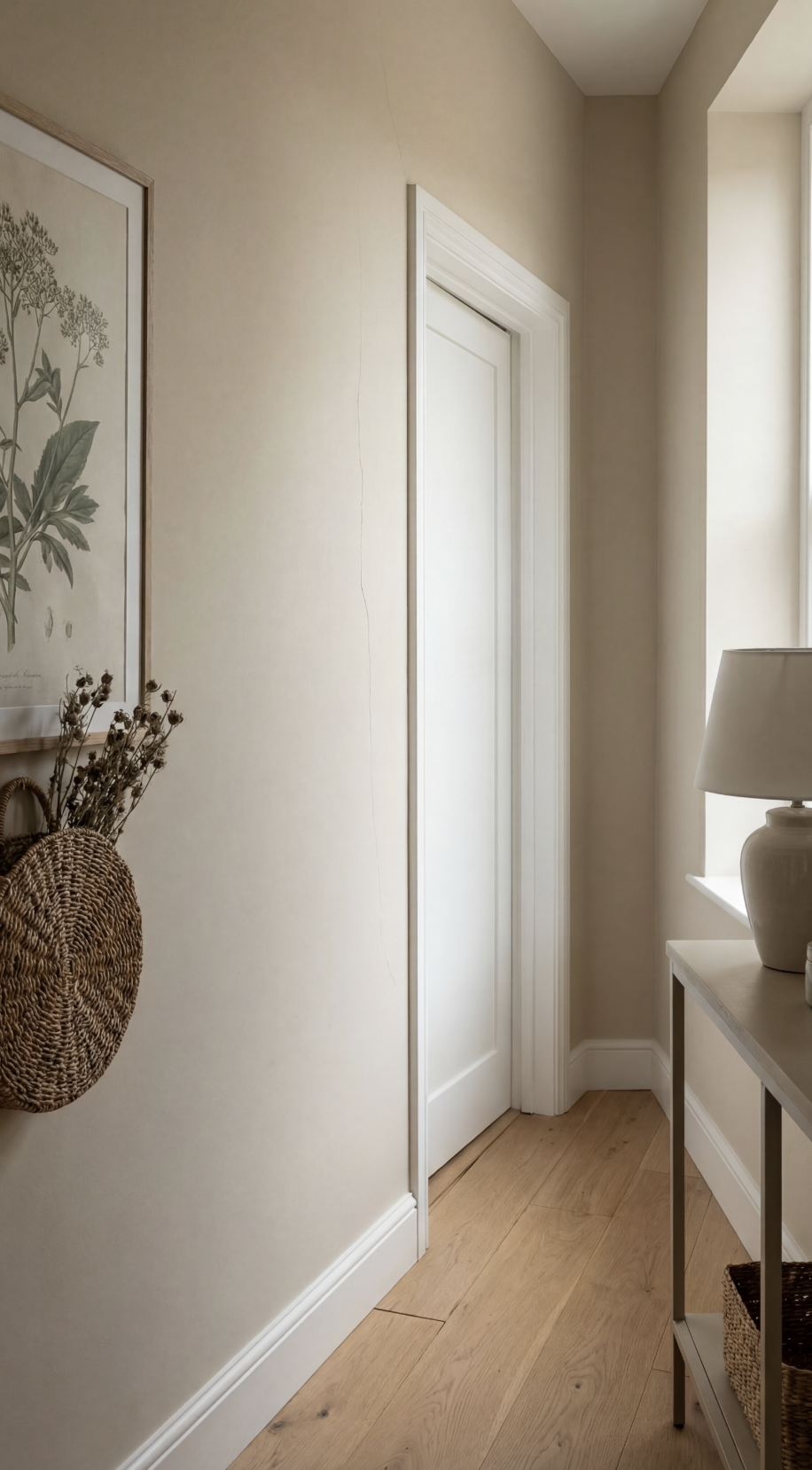
1. Doors That Stick Seasonally — But Not Everywhere
It is normal for doors to swell slightly with humidity.
What is not normal is one specific door sticking repeatedly in the same way, especially if it gets worse over time.
If a door rubs at the top corner, it can indicate that one side of the structure has settled slightly. If it rubs along the latch side, framing movement may be occurring. Use a small level to check if the door frame is still plumb. If it is slightly off compared to other frames in the house, that is data worth paying attention to. Movement is rarely symmetrical.
2. Cracks That Form Patterns, Not Just Lines
Hairline drywall cracks happen. What matters is the pattern.
Watch for:
-Diagonal cracks extending from the corners of doors and windows
-Stair step cracks in brick or block foundations
-Horizontal cracks along foundation walls
A crack that widens over time is more concerning than one that simply exists. If you want to monitor movement, mark the ends of a crack lightly with pencil and date it. Check again in a few months. Even better, use a simple crack monitor gauge if you want precise tracking. Foundation movement is about progression, not appearance alone.
3. Windows That Suddenly Resist
Windows are surprisingly good indicators of structural change. If a window that used to slide easily now binds or requires force, framing alignment may have shifted slightly. Before assuming foundation movement, check for debris in tracks and clean them thoroughly. A vacuum and damp cloth are often enough.
If the problem persists after cleaning and lubrication, look closer. When movement affects multiple windows on the same side of the house, that suggests settlement in that direction. Houses move subtly before they move noticeably.
4. Gaps Between Trim and Walls
Look closely at interior trim.
Are baseboards separating slightly from walls in one area?
Are crown molding joints opening at one corner?
Small separations can indicate movement behind finished surfaces. Sometimes this is simply seasonal expansion. Other times, it is structural shift. Pay attention to repetition. If multiple trim gaps appear along one wall line, that suggests underlying movement.

5. Floors That Feel Slightly Uneven
Not dramatically sloped. Just different. Walk slowly across rooms. Do you feel a subtle dip or rise that was not there before?
Place a long level across the floor if you suspect unevenness. Minor variance is common in older homes. What matters is change over time. Floor movement often reflects what is happening below.
6. Exterior Brick That Tells the Truth
Brick is honest.
It does not flex like drywall. It cracks where stress accumulates. Stair step cracks in mortar joints are common indicators of settlement. Pay attention to whether cracks are widening or forming near corners. If brick movement is accompanied by interior drywall cracking in the same area, that alignment is meaningful. A small flashlight helps you inspect mortar joints clearly.
7. Soil Pulling Away From the Foundation
Walk the perimeter of your home in dry weather.
If you notice soil pulling away from the foundation, especially after heavy rain periods, it may indicate moisture fluctuations. Expansive clay soils shrink and swell dramatically. This movement places pressure on foundation walls. Improper grading or poor drainage compounds this problem.
Downspout extensions and proper slope away from the house are simple tools that reduce stress on the foundation long term. Water management is often the root cause.
8. Basement Wall Bowing or Subtle Inward Curves
This is more advanced, but worth noting. Look along basement walls at eye level. Do they appear perfectly straight?
Even a slight inward bow can indicate lateral soil pressure. Use a long level vertically against the wall to check alignment. Minor imperfections are common. Progressive bowing is not. Moisture control and proper drainage reduce soil pressure significantly.
9. Garage Doors That Shift Alignment
Garage door tracks rely on structural stability. If the door begins to close unevenly or rubs against the frame in a new way, that may reflect framing shift.
Before assuming foundation movement, inspect rollers and tracks for wear. Apply proper garage door lubricant and ensure hardware is secure. If alignment continues to change, it may not be mechanical.

10. Cracks That Reopen After Repair
If you patch drywall cracks and they reopen within months, that suggests ongoing movement.
Cosmetic repair without addressing structural cause only resets the clock.
Repeated cracking in the same area deserves deeper investigation.
What Actually Causes Foundation Movement?
Foundation movement is rarely random.
Common drivers include:
-Improper drainage
-Clogged gutters
-Expansive soil
-Tree roots extracting moisture unevenly
-Poor compaction during construction
This is why drainage matters so much. Ensuring gutters are clear, downspouts extend away from the home, and grading slopes outward reduces structural stress significantly. Water is usually involved.
When to Take It Seriously
Not every crack equals catastrophe.
But consider professional evaluation if you see:
-Horizontal foundation cracks
-Rapidly widening gaps
-Significant floor sloping
-Multiple windows and doors shifting together
A structural engineer provides far more objective insight than guesswork.
The earlier movement is addressed, the less invasive repairs tend to be.
The Bigger Picture
Foundations move. All houses move. The difference between manageable and expensive is awareness.
When you understand the quiet signs, you can:
-Improve drainage
-Adjust grading
-Reduce soil pressure
-Monitor changes calmly
Instead of being surprised years later.
A home does not fail suddenly. It whispers first.
-Doors stick slightly.
-Trim separates.
-Windows resist.
-Brick cracks quietly.
If you listen early, you stay ahead. And staying ahead is what keeps small shifts from becoming structural stories.