
The Most Expensive Spring Repairs And How to Avoid Them
Spring feels harmless.
The weather warms up. Windows open. The yard starts growing again. It feels like a reset.
But for homes, spring is one of the most stressful seasons of the year.
Snow melts. Soil shifts. Heavy rain hits. Freeze thaw cycles reveal weaknesses. Systems that sat quietly all winter suddenly get pushed hard.
And that is when the expensive repairs begin.
The frustrating part is this. Most major spring repairs do not start as major problems. They begin as small, quiet issues that were easy to catch weeks earlier.
If you want to avoid the most expensive spring repairs, you need to know what usually fails and why.
Let’s walk through the big ones and how to prevent them before they escalate.
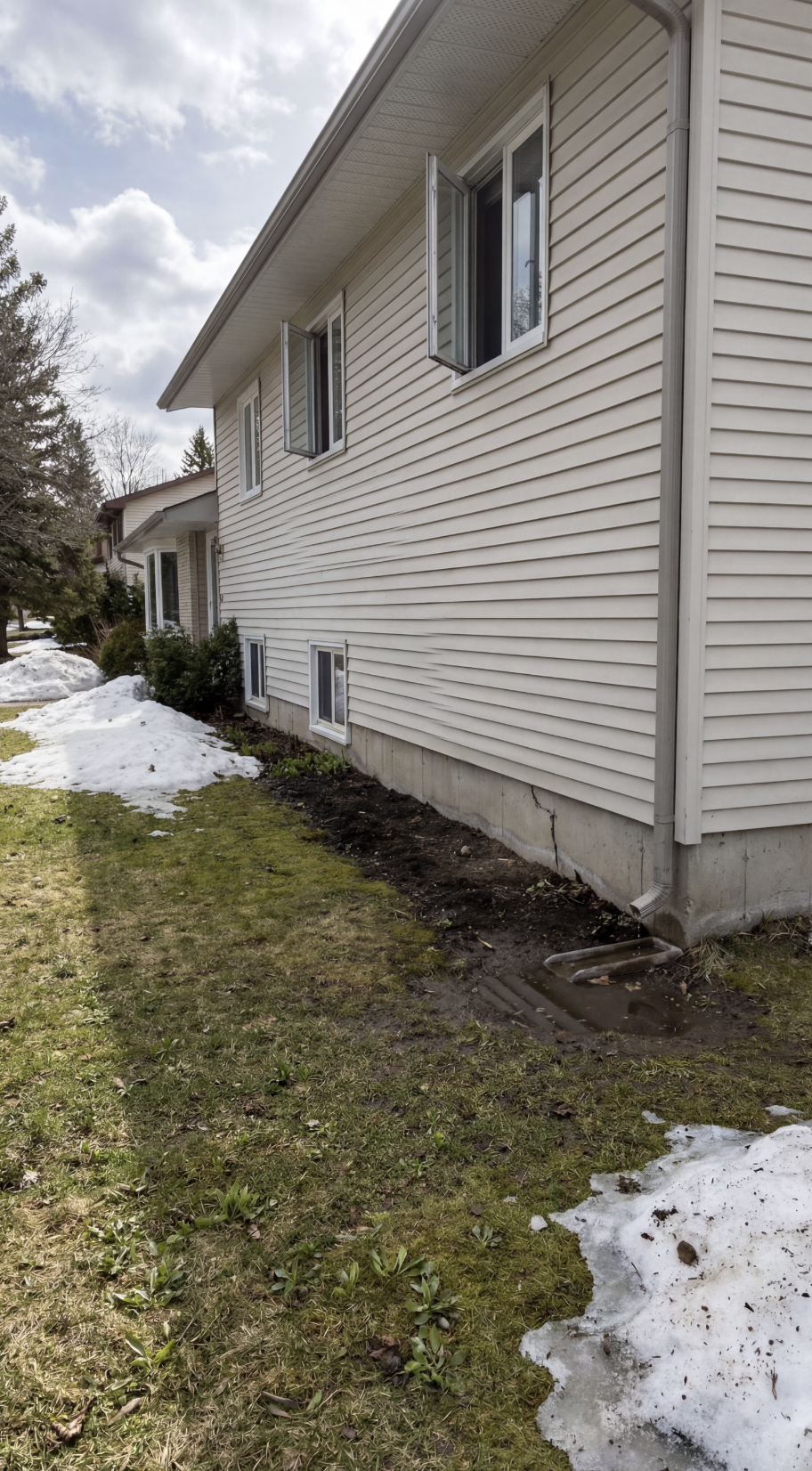
1. Basement Flooding
This is one of the most expensive and stressful spring repairs.
Finished basements make flooding even worse. Drywall, flooring, insulation, furniture, and personal belongings can all be damaged in hours.
Spring flooding usually happens for three reasons:
Poor exterior drainage
Clogged gutters
Sump pump failure
When snow melts and heavy rain follows, groundwater rises quickly. If water cannot move away from your foundation, it looks for another path.
Prevention starts outside.
Clean your gutters before major storms arrive. Make sure downspouts extend several feet away from the house. A simple downspout extension can redirect thousands of gallons of water over the course of a season.
Next, check grading around the foundation. Soil should slope away from the home. If it has settled over time, adding compacted soil to restore that slope can make a huge difference.
Finally, test your sump pump before heavy rain. Pour a bucket of water into the pit and make sure it activates. If your system does not have a battery backup sump pump, consider adding one. Power outages often happen during storms, which is exactly when you need protection most.
Flooding feels sudden. In reality, it usually follows weeks of warning signs.
2. Foundation Cracks and Structural Movement
Spring is prime time for foundation issues.
Winter freeze thaw cycles expand and contract soil. When temperatures rise, soil dries and shifts again.
Small foundation cracks can widen. Doors begin sticking. Floors feel slightly uneven.
Most homeowners notice these changes but assume they are minor.
The key is early detection.
Walk your foundation and look for new cracks or widening gaps. Hairline cracks are common and not always structural. Large horizontal cracks or widening vertical ones deserve attention.
Keep water away from the foundation. Moisture weakens soil support and increases pressure against foundation walls.
Gutter maintenance, proper grading, and ensuring window wells drain properly all reduce structural stress.
The cost difference between early crack repair and major structural correction can be enormous.
3. Roof Leaks
Spring rain reveals roofing weaknesses quickly.
Winter ice dams, heavy snow, and wind damage can loosen shingles or compromise flashing.
You may not notice a leak immediately. It often shows up as subtle ceiling staining or attic moisture.
From the ground, inspect your roof with binoculars. Look for missing shingles, curling edges, or debris buildup in valleys.
Inside, check the attic for damp insulation or darkened wood.
Small repairs early in spring prevent water from entering during heavy summer storms.
If you are comfortable doing minor maintenance, sealing small flashing gaps with roof sealant can extend protection. If not, catching damage early still prevents interior water damage.
Roof leaks rarely start big. They grow quietly.

4. HVAC Failure at the Worst Time
Air conditioning systems sit idle all winter. When the first hot day hits, they are suddenly expected to run continuously.
If your system struggles, it often fails during peak heat when service appointments are hardest to book.
Spring preparation prevents that.
Clear debris around the outdoor condenser unit. Leaves and mulch restrict airflow. Rinse the exterior coils gently with a hose to remove dust.
Inside, replace your HVAC air filter. A high quality filter improves airflow and reduces strain on the system.
If you have not serviced your system in a while, spring is the best time to schedule maintenance before extreme heat arrives.
Air conditioning repairs are far more expensive than routine maintenance.
5. Deck and Patio Structural Damage
Outdoor living spaces take a beating over winter.
Moisture seeps into boards. Fasteners loosen. Freeze thaw cycles cause expansion and contraction.
By spring, small issues can turn into safety hazards.
Inspect your deck for soft boards, popped nails, and wobbly railings.
Replace nail pops with exterior rated deck screws. They hold better and prevent repeat issues.
If your wood deck no longer repels water, apply a fresh deck sealer before summer sun dries and cracks the surface further.
For patios, fill small concrete cracks early with concrete crack filler. When heat expands those cracks, they become harder to repair.
Ignoring small deck repairs can lead to full board replacement later.
6. Plumbing Leaks from Outdoor Fixtures
Outdoor hose bibs often crack during winter freezes, especially if they were not properly winterized.
Turn on exterior faucets slowly in spring and watch for dripping or spraying from unexpected places.
Check connections for leaks. If hoses look brittle or cracked, replace them before heavy watering season begins.
Small leaks waste water and can cause hidden moisture damage behind exterior walls.
If you notice reduced pressure or interior dripping when the faucet is on, investigate immediately.
Spring plumbing repairs are usually simple if caught early.
7. Pest Damage
Spring is when insects and rodents become active again.
Small entry gaps that were harmless in winter become entry points for nesting and infestation.
Inspect exterior penetrations around vents, utility lines, and siding transitions.
Seal gaps with exterior grade sealant.
Check attic and crawl spaces for signs of new activity. Droppings, insulation disturbance, or small chew marks are early indicators.
Preventative sealing costs very little compared to pest remediation.
8. Gutter and Fascia Rot
Clogged gutters do more than overflow.
They trap moisture against fascia boards and roof edges.
Over time, wood softens and rots.
By the time visible damage appears, structural wood may already be compromised.
Spring cleaning and inspection of gutters reduces this risk dramatically.
Ensure water flows freely and that brackets are secure.
Water should never sit stagnant along roof edges
The Pattern Behind Expensive Repairs
The most expensive spring repairs share a pattern.
Water was involved.
Moisture lingered.
Maintenance was delayed.
Most catastrophic repairs start with something small.
A loose seal.
A clogged gutter.
A stuck sump pump float.
A cracked board.
The difference between minor maintenance and major expense is usually timing.
Final Thoughts
Spring does not create home problems.
It exposes them.
The smartest homeowners use spring as an inspection season, not just a cleaning season.
Walk your property slowly. Look at water flow. Check seals. Test systems. Tighten what is loose. Replace what is worn.
Small adjustments now prevent major bills later.
Because once summer heat arrives or heavy rain hits, prevention time is over.
And repair time is expensive.