
What Home Inspectors Notice That Homeowners Miss
Most homeowners live in their houses every day without really seeing them.
You walk past the same hallway crack for years. You get used to the slight door rub in winter. You ignore the faint drip under the sink because it’s “not that bad.” The house feels normal because it’s familiar. Home inspectors don’t have that familiarity. They walk into a home with one goal: look for risk. Not cosmetic style. Not whether your decor is on trend. Risk.
And what they notice first is rarely what homeowners expect. It’s not always the roof. It’s not dramatic foundation cracks. It’s not something obviously broken. It’s patterns. Signals. Small inconsistencies that suggest larger systems might be stressed. Here’s what inspectors tend to notice immediately and what homeowners often overlook.
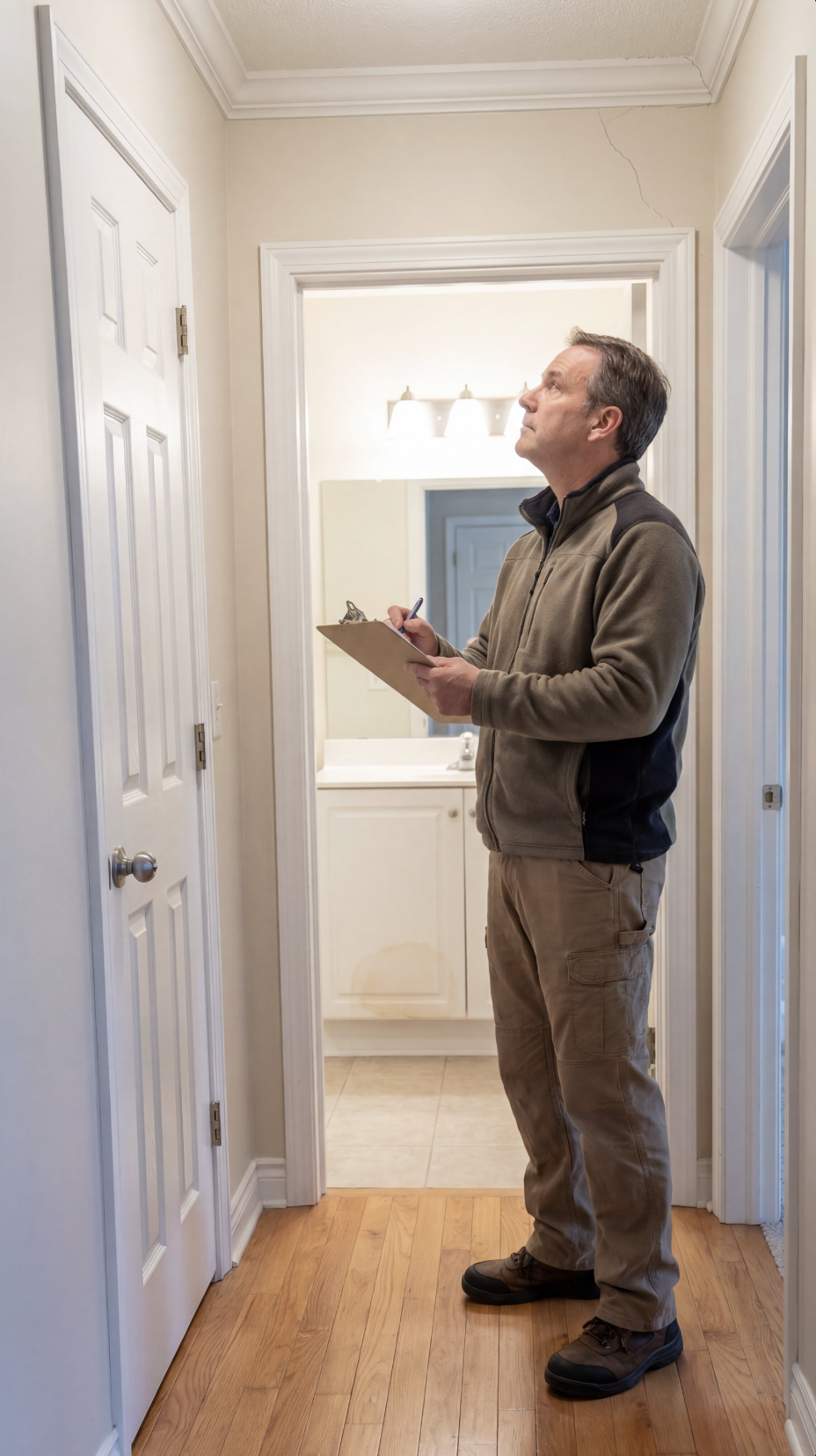
1. Grading and Water Direction Around the Foundation
Inspectors almost always step back and look at the house before going inside.
They check slope. Water should move away from the foundation, not toward it. If soil has settled or mulch beds are higher than the surrounding grade, rainwater can quietly drain toward the house.
Homeowners often assume minor basement moisture is “normal.” Inspectors see it as a drainage issue waiting to become structural. Walking your property during heavy rain is one of the simplest preventative habits you can adopt. If water pools near the foundation, adding soil to restore proper slope makes a big difference. Downspout extensions are another overlooked detail. A basic flexible downspout extension can redirect water several feet away from the house, which prevents long-term seepage.
This is rarely dramatic damage. It’s slow damage. Inspectors know the difference.
2. Loose or Improper Electrical Connections
Most homeowners don’t open their electrical panel.
Inspectors do.
They look for:
Double-tapped breakers
Loose wiring
Burn marks
Missing knockout covers
Even small issues inside a panel can signal past amateur work.
Outside of the panel, they also check outlets. Loose outlets, discolored faceplates, or warm-to-the-touch switches suggest wear or wiring stress. Replacing a worn outlet with a modern commercial-grade outlet is inexpensive and improves safety and durability.
Inspectors aren’t looking for perfection. They’re looking for patterns of neglect or DIY shortcuts. Electrical systems tell stories quickly..
3. Bathroom Ventilation Problems
Bathrooms that look spotless can still hide moisture issues.
Inspectors often check whether exhaust fans actually vent outside or just into an attic space. Venting into the attic traps moisture where it doesn’t belong. They also listen to the fan. If it’s loud but weak, airflow may be restricted by dust buildup.
Homeowners rarely remove the vent cover and vacuum the internal fan housing. It’s a simple task that improves airflow and reduces mold risk. Moisture is one of the most expensive long-term problems in a house. Inspectors look for where it lingers.
4. Aging Washing Machine Hoses
Laundry rooms feel contained and safe. But inspectors pay attention to the hoses. Rubber washing machine hoses degrade quietly. When they fail, they fail fast. Many inspectors recommend replacing rubber hoses with braided stainless steel washing machine hoses because they’re significantly more durable and resistant to bursting. It’s a small upgrade that prevents one of the most common causes of indoor flooding.
Homeowners often ignore hoses until they leak. Inspectors don’t wait that long.
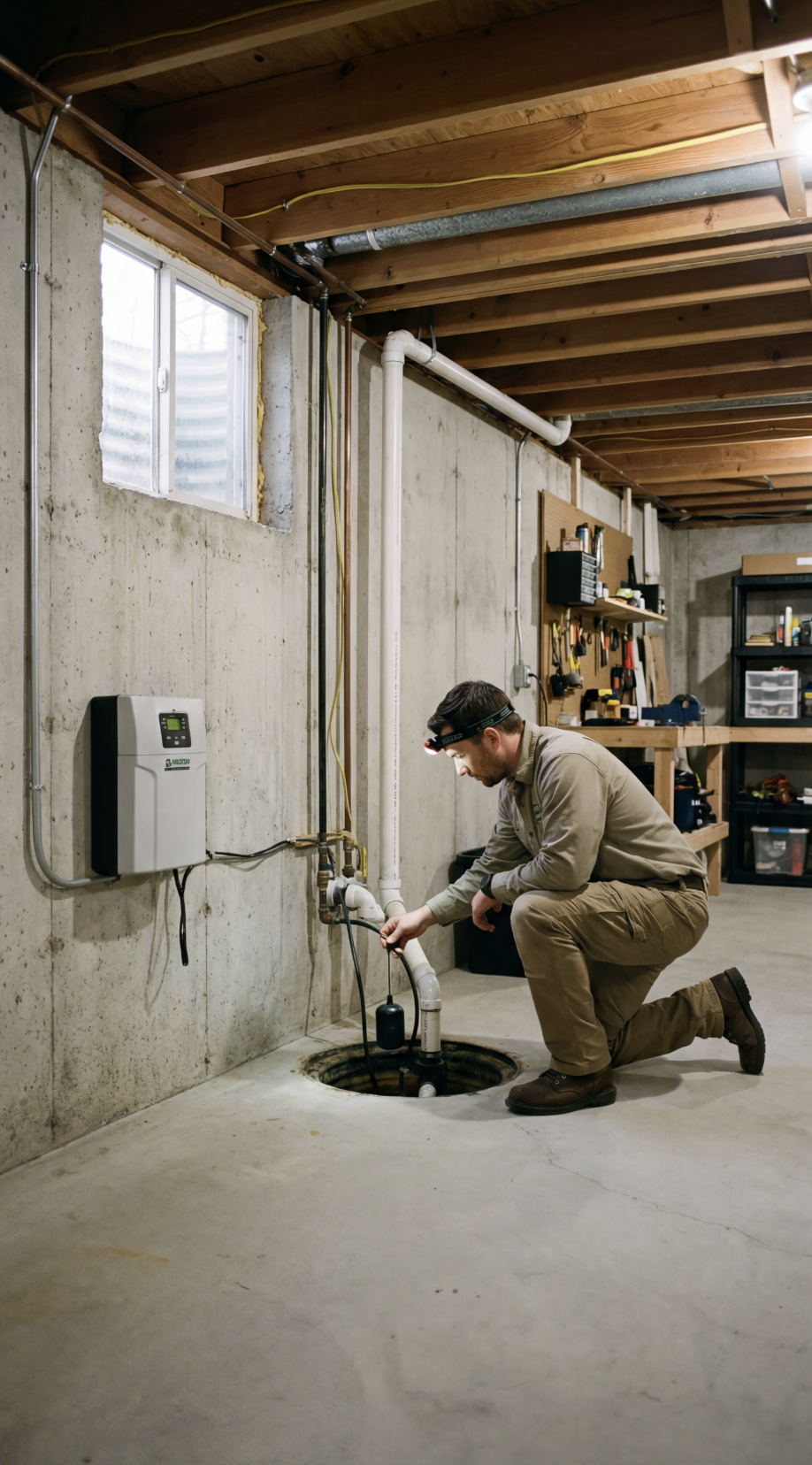
5. Sump Pump Reliability
If a home has a basement, inspectors test the sump pump.
They check:
Does it activate properly?
Is the float free-moving?
Is there a battery backup?
A sump pump without a backup system works fine — until the power goes out during a storm. Some homeowners install water level alarms near the sump pit to receive alerts before flooding spreads. It’s a small preventative tool that shifts from reaction to early warning. Inspectors think in worst-case scenarios. That’s their job.
6. Caulking and Sealing Gaps
Inspectors don’t care if your caulk bead looks pretty.
They care whether it’s intact.
They check:
Window perimeters
Exterior penetrations
Shower corners
Sink edges
Cracked or missing caulk allows water intrusion. Homeowners often treat caulking as cosmetic. Inspectors see it as moisture control.
Using high-quality exterior sealant and applying it carefully extends the lifespan of windows, doors, and siding. Sealing is maintenance. Not decoration.
7. Door and Window Movement
A sticking door isn’t always about humidity.
Inspectors check for patterns. Multiple sticking doors on the same side of a house can suggest settling or structural shift. They also inspect weatherstripping. Worn weatherstripping allows drafts, increases energy bills, and signals aging seals. Replacing it is inexpensive and improves comfort immediately. Inspectors look for movement, not just appearance.
8. HVAC Filter Condition
Before even testing airflow, inspectors often check the filter. A clogged filter suggests poor maintenance. It also strains the system. Homeowners may not realize that changing HVAC filters regularly improves air quality and extends equipment lifespan.
An overworked system is visible in subtle ways:
Excess dust
Uneven temperatures
Unusual noise
Inspectors connect those dots.
9. Water Heater Age and Sediment
Water heaters quietly age in the corner of a basement. Inspectors check the manufacturing date immediately.
They also look for:
Corrosion
Leaks at connections
Improper venting
Lack of a drain pan in certain installations
Sediment buildup shortens lifespan. Annual flushing reduces that buildup and helps heaters operate more efficiently. Homeowners rarely think about water heaters until they fail. Inspectors think about them constantly.
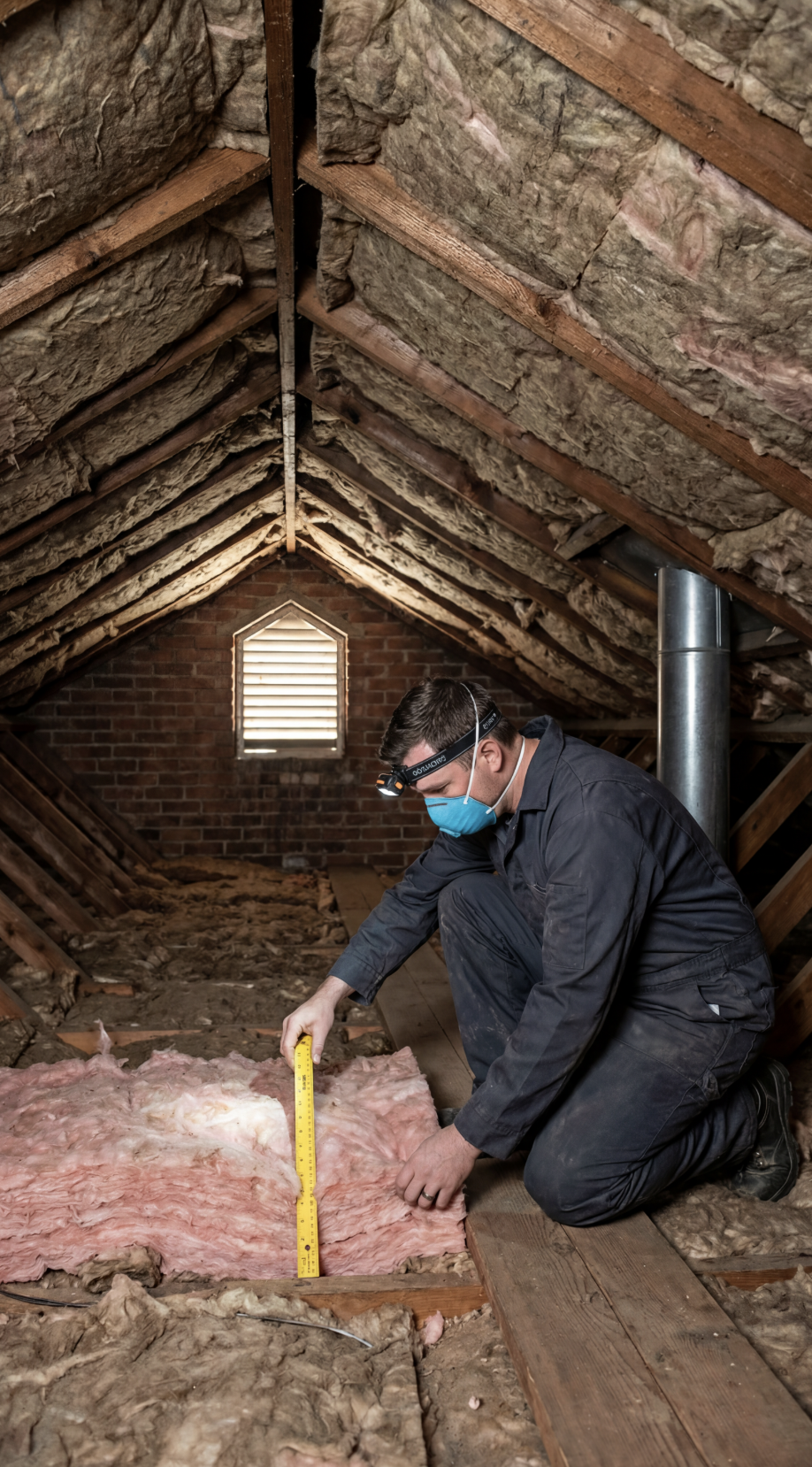
10. Attic Insulation and Ventilation
Inspectors often climb into attics.
They look for:
Adequate insulation depth
Even coverage
Signs of moisture
Proper ventilation
Inadequate insulation affects comfort and energy efficiency. Poor ventilation traps heat and moisture, leading to roof damage over time. Homeowners may never see their attic. Inspectors do.
The Bigger Pattern
Homeowners focus on surfaces. Inspectors focus on systems. They’re not impressed by a freshly painted wall if there’s staining underneath. They’re not distracted by decor if water is draining toward the foundation.
They look at:
Water direction
Air movement
Electrical safety
Structural stress
Maintenance consistency
That mindset shift changes everything.
Final Thoughts
If you want to think like an inspector, start asking different questions.
Instead of:
“Does it look clean?”
Ask:
“Is moisture controlled?”
“Is water moving away?”
“Are systems maintained?”
“Is airflow working?”
And once you start seeing your home that way, you prevent more problems than you ever repair.