
Why Your Outlets Feel Loose
(And How to Fix Them Safely)
A loose outlet is one of those things people notice and then quietly ignore. The plug slides out too easily. The charger droops instead of sitting straight.
You wiggle it until it works and move on. It does not spark. It does not trip a breaker. So it feels harmless.
But a loose outlet is not just annoying. It is a signal. And like most signals in a home, it is worth understanding before it turns into something bigger.
The good news is that this problem is common, easy to diagnose, and often simple to fix when handled correctly.
What “Loose” Actually Means
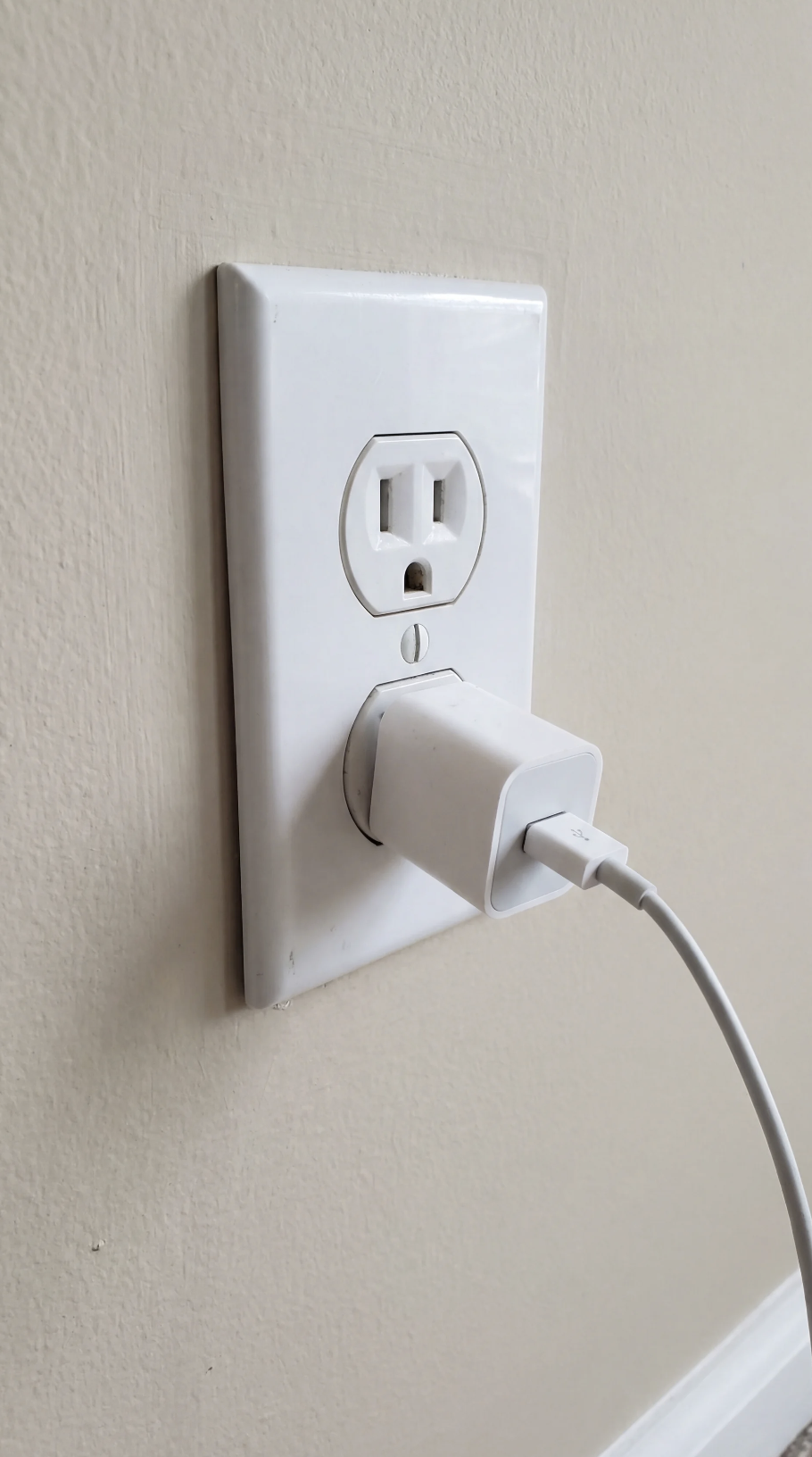
When an outlet feels loose, it usually means one of two things. Either the plug no longer grips tightly inside the outlet, or the entire outlet moves slightly inside the wall when you plug something in.
Those two situations look similar on the surface, but they come from different causes. Understanding which one you are dealing with determines the right fix and helps you avoid unsafe shortcuts.
Why Outlets Lose Their Grip Over Time
Inside every outlet are metal contacts designed to grab the prongs of a plug tightly. Each time you plug something in or pull it out, those contacts flex slightly. Over years of use, that metal loses tension.
High-use outlets like kitchen counters, living room receptacles, and bedrooms with phone chargers wear out faster than others. Cheap outlets also lose tension sooner than higher-quality ones. When the internal contacts weaken, plugs no longer sit firmly. They may fall out on their own or feel loose even when fully inserted. This is the most common reason outlets feel loose.
When the Outlet Itself Is Moving
Sometimes the issue is not inside the outlet at all.
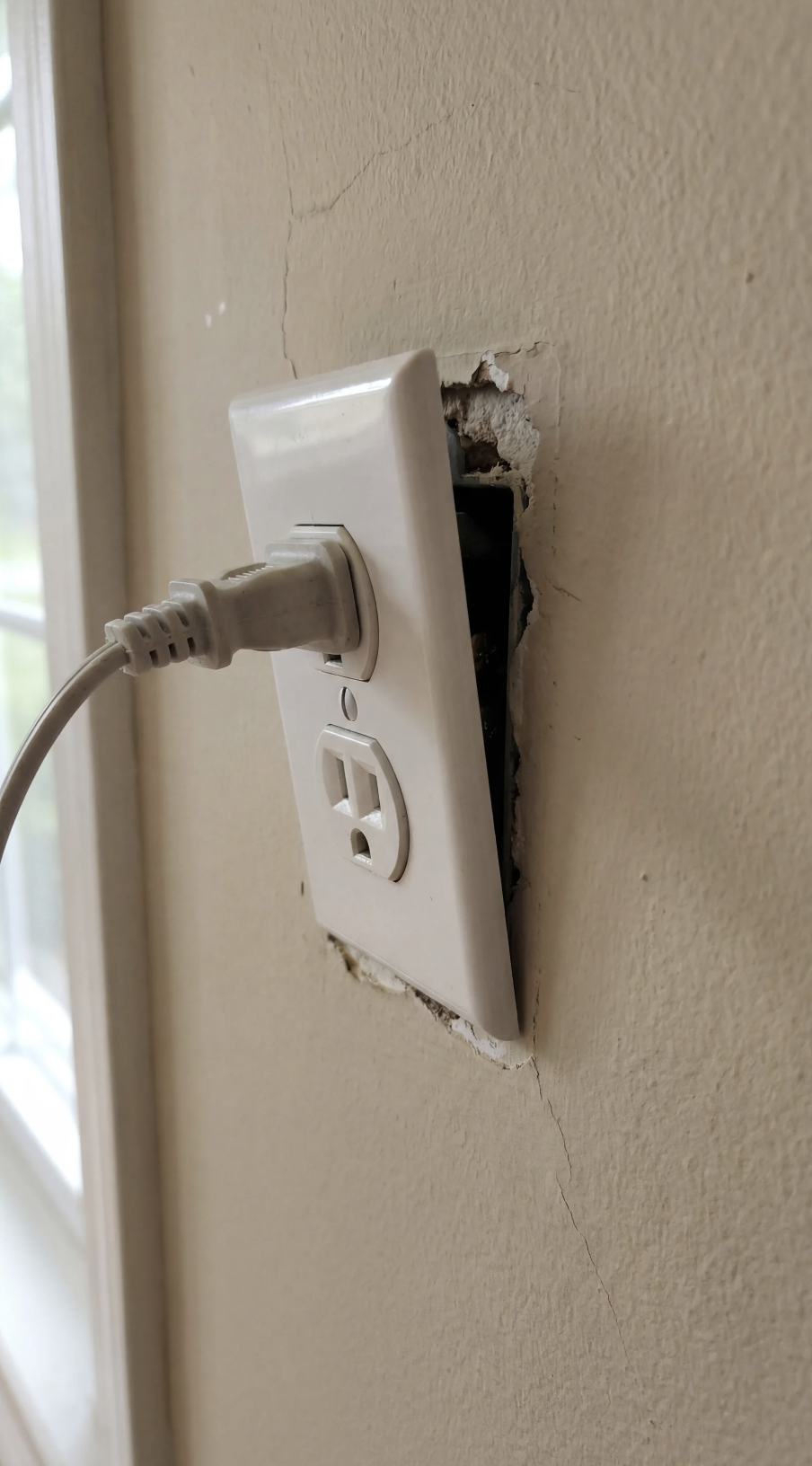
If the entire outlet shifts when you push a plug in, the problem is usually mechanical, not electrical. The outlet box may not be secured tightly to the stud, or the outlet may not be shimmed correctly against the wall surface. This is especially common in older homes, or in rooms where drywall thickness has changed due to renovations.
While this does not always mean there is an immediate electrical danger, movement puts stress on the wiring connections behind the outlet. Over time, that stress can loosen wires, which is not something you want happening inside a wall.
Why Loose Outlets Matter More Than You Think
A loose outlet is not just inconvenient. Poor contact between plug and outlet increases electrical resistance. Resistance creates heat. Heat is what damages components over time. Most outlet-related electrical problems do not fail dramatically. They degrade slowly. Loose connections get warmer, metal fatigues, and insulation breaks down. That is why electricians take loose outlets seriously, even when homeowners do not. Fixing the problem early is safer, cheaper, and far less stressful than dealing with damaged wiring later.
The Safe Way to Start Any Outlet Fix
Before touching anything electrical, safety comes first. Any time you work on an outlet, the power to that circuit should be turned off at the breaker panel. Do not rely on switches. Do not assume you know which breaker it is. After turning the breaker off, always confirm the outlet is dead using a plug-in tester or voltage detector. This step takes seconds and removes uncertainty. Working safely is not about being nervous. It is about being deliberate.
The Most Common Professional Fix: Replacing the Outlet
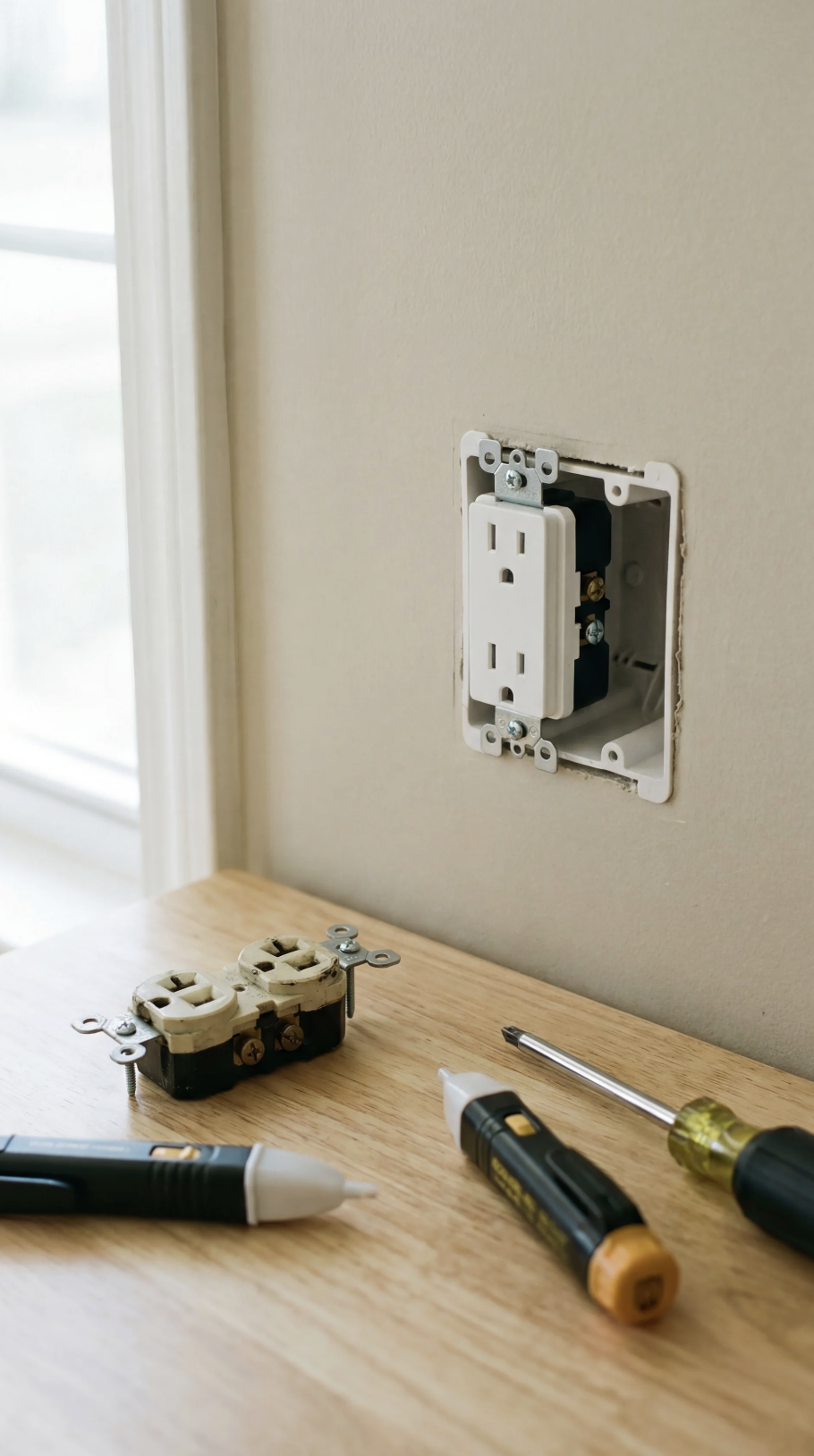
When an outlet no longer grips plugs tightly, professionals usually replace it instead of trying to bend the internal contacts back into shape. Outlets are inexpensive. The internal components are not designed to be repaired. Once the metal loses tension, it does not reliably regain it.
Modern outlets with stronger internal contacts hold plugs firmly and reduce heat buildup. Many pros upgrade high-use outlets to commercial-grade versions because they last significantly longer. Replacing an outlet is a straightforward job when done correctly, and it immediately solves the problem of loose plug tension.
When Spacers Solve the Problem
If the outlet feels loose because it shifts inside the wall, outlet spacers are often the correct fix.
Spacers fit behind the outlet mounting ears and bring it flush with the wall surface. This prevents movement when plugging devices in and reduces stress on the wiring. Electricians use these constantly, especially in homes with tile backsplashes, paneling, or thicker wall finishes. Using spacers is safer than overtightening mounting screws, which can crack outlets or damage boxes.
Why Faceplates Are Not the Problem
Many people assume the faceplate is causing the outlet to feel loose. In reality, the faceplate is cosmetic. It does not secure the outlet. Tightening the faceplate screw will not fix internal looseness or box movement. In fact, overtightening faceplates can crack them or warp the outlet underneath, creating new problems.
If the outlet moves, the issue is behind the faceplate, not the faceplate itself.
Backstabbed Wiring and Why It Matters
Some older or builder-grade outlets use push-in, or backstab, wiring connections instead of screw terminals. While allowed by code in many areas, backstab connections are more prone to loosening over time. When an outlet feels loose or intermittent, electricians often inspect these connections closely. Replacing a backstabbed outlet with one that uses screw terminals creates a more secure electrical connection and reduces the chance of future issues. This is another reason professionals often replace outlets instead of trying to “tighten them up.”
When a Loose Outlet Is a Warning Sign
Sometimes a loose outlet is not just wear and tear.
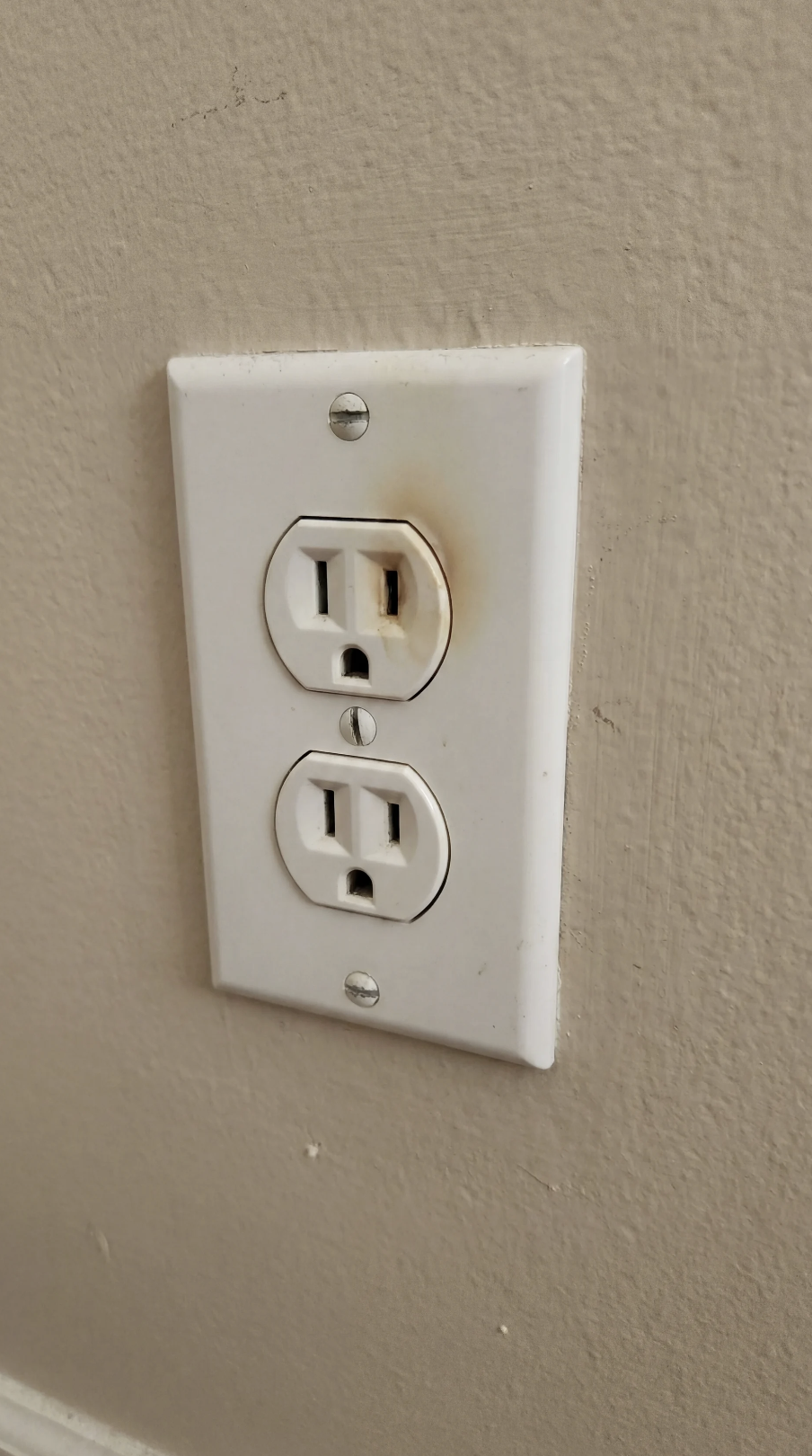
If you notice discoloration, a burning smell, warmth to the touch, or flickering power, those are signs of a deeper issue. In those cases, replacing the outlet alone may not be enough. Loose wiring connections, damaged conductors, or overloaded circuits may be involved.
If something feels off beyond simple looseness, it is okay to pause and get professional help. Knowing when to stop is part of doing DIY work responsibly.
Why Professionals Fix This Early
Electricians and contractors fix loose outlets early because they understand patterns.
They know that most electrical failures are not sudden. They develop quietly at connection points. Outlets, switches, and junctions are where problems begin. Replacing a worn outlet today prevents heat buildup, reduces wear on plugs, and improves overall system reliability. It is not about overreacting. It is about maintaining the system.
How Often Outlets Should Be Checked
Outlets do not need constant attention, but they should not be ignored forever.
If you notice plugs falling out, movement in the wall, or inconsistent power, that outlet deserves inspection.
Many pros do a quick outlet check when moving into a new home or updating a room. It is an easy way to spot aging components early.
Final Thoughts
A loose outlet is not a crisis, but it is not nothing.
It is a small signal from a system that depends on good contact and stable connections. When you understand what causes the problem, the fix becomes straightforward and safe.
Replacing worn outlets, securing them properly, and avoiding shortcuts keeps your home safer and more reliable.
That is the difference between reacting to electrical issues and staying ahead of them.
And in home maintenance, staying ahead is always easier than catching up.