
Home Improvement Hacks You’ll Wish You Knew Sooner
Most home improvement hacks you see online fall into one of two categories.
They are either obvious, or they create more work than they save.
The hacks that actually make a difference are quieter.
They remove friction.
They prevent messes before they start.
They save time every single week without calling attention to themselves.
These are the kinds of improvements homeowners usually discover too late, after years of doing things the hard way.
Below are home improvement hacks you will genuinely wish you knew sooner, explained clearly, with real reasons they work and practical ways to apply them in your own home.
This is not about shortcuts.
It is about working smarter inside the systems your home already has.
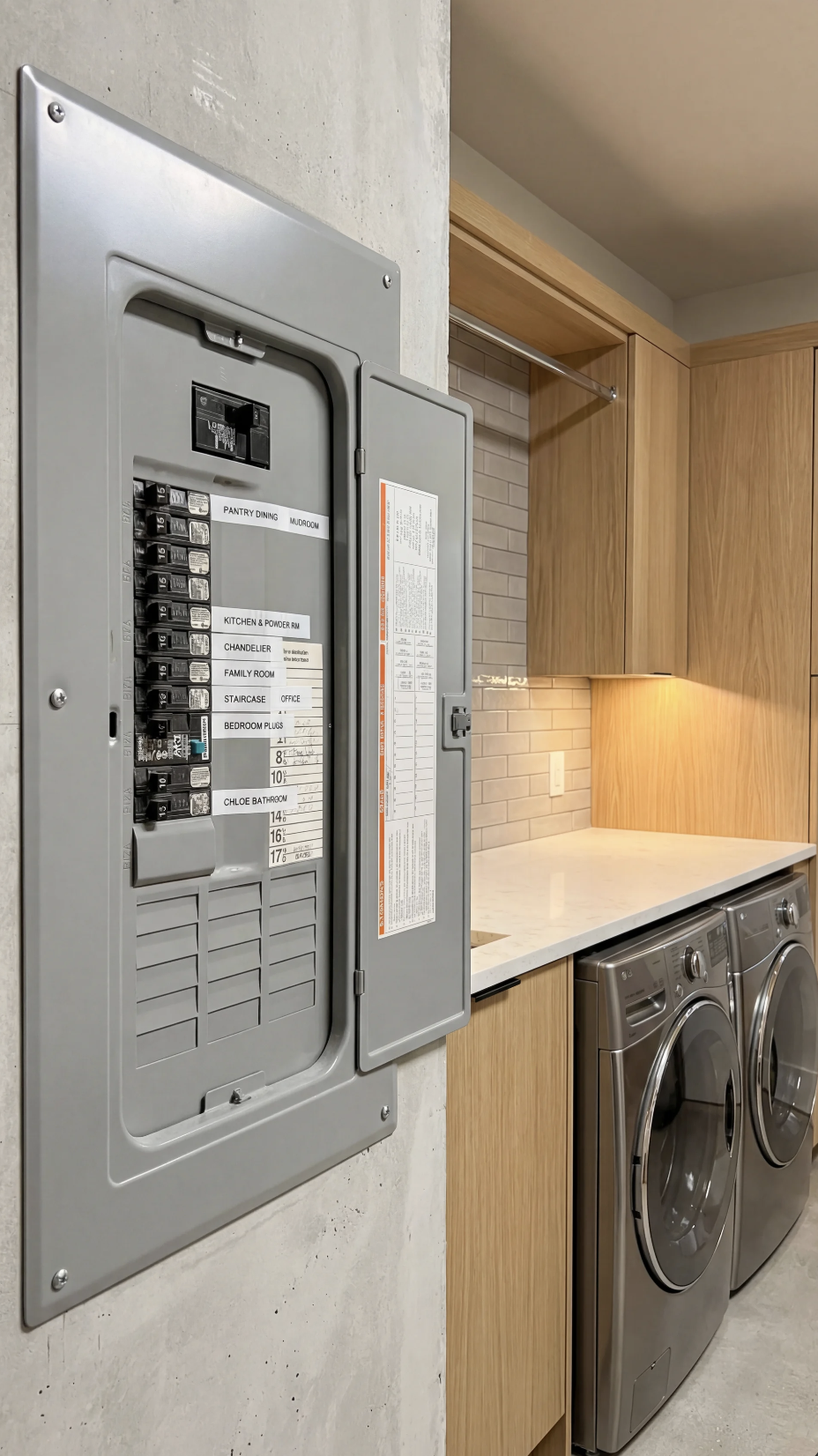
1. Label Everything Once and You Will Never Guess Again
Most homes have dozens of hidden systems. Breakers, shutoff valves, vents, filters, access panels.
The problem is not that they exist.
The problem is that no one labels them.
When something goes wrong, people waste time guessing.
A simple label on your electrical panel, water shutoff, gas shutoff, and HVAC components removes confusion permanently.
This is one of the highest return improvements you can make, and it costs almost nothing.
Helpful products:
- Label maker
- Waterproof tags
2. Prevent Mess Instead of Cleaning It
One of the biggest mindset shifts in home improvement is this; If you can stop a mess from happening, you never have to clean it.
- Oven gap guards that stop food from falling beside appliances
- Hair catchers that block drains instead of reacting to clogs
- Aluminum foil on top of cabinets to catch grease and dust
- Door mats that absorb moisture before it enters the home
Prevention always beats cleanup.
3. Finish Small Details Before Starting Big Projects
Unfinished details quietly drain mental energy:
A missing light fixture
Untrimmed edges
Exposed boxes
Loose hardware
These things do not break your home, but they make it feel incomplete.
Finishing small details often changes how an entire room feels without major renovation.
The hack is this: Finish what is already started before adding new projects.
4. Use Heat Instead of Chemicals When Possible
Many cleaning problems are not dirt problems.
They are buildup problems.
Grease, soap scum, grime, and residue respond better to heat than chemicals.
Steam cleaners break down buildup so it wipes away with minimal effort. This reduces scrubbing, chemical exposure, and cleaning time.
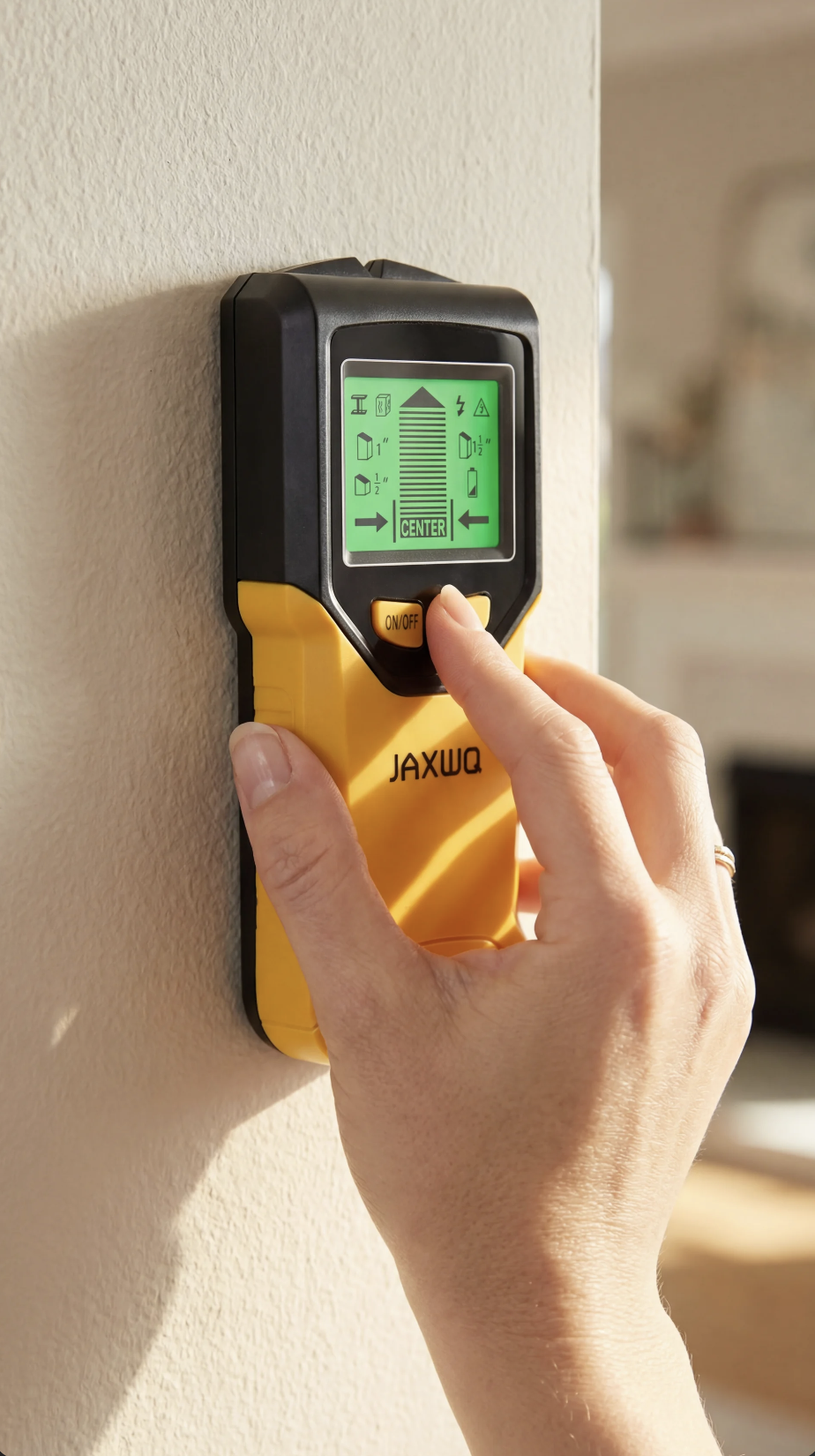
5. Install Tools That Remove Entire Steps
The best tools are not the strongest or most expensive. They are the ones that remove steps from a process.
Examples:
- Double sided nails that eliminate visible fasteners and filler
- Plug extenders that make blocked outlets usable
- Magnetic stud finders that stay on the wall
- Foam drain cleaners that reach overflow channels
If a tool removes sanding, patching, or rework, it saves more time than it costs.
6. Upgrade Wear Parts Before They Fail
Many home components are designed to wear out slowly:
Replacing these before failure prevents leaks, poor performance, and damage.
Most of these upgrades take minutes and cost very little.
7. Learn Where Problems Actually Start
Most home problems do not start where they show up.
Water damage often starts above eye level or behind walls.
Electrical issues often begin with loose connections.
Odors often come from overflow channels or vents.
Checking hidden areas periodically catches issues early.
Places to inspect:
- Under sinks
- Behind appliances
- Above cabinets
- Attics and crawl spaces
- Exhaust fans and vents
Helpful products:
- Headlamp
- Moisture meter
- Inspection mirror
8. Maintain Systems, Not Just Surfaces
A clean surface does not mean a healthy system.
Examples
- A clean sink can still have a dirty overflow drain
- A clean dryer lint trap does not mean a clean vent
- A clean bathroom can still have a clogged exhaust fan
- A clean fridge interior does not mean clean condenser coils
Maintaining the system behind the surface prevents performance loss.

9. Use Gravity and Access to Your Advantage
Many homeowners struggle because they fight gravity or poor access.
Use ladders instead of overreaching.
Use extension tools instead of contorting.
Move appliances fully instead of cleaning around them.
Giving yourself proper access makes tasks faster and safer.
10. Test Safety Devices on a Schedule
Smoke detectors, carbon monoxide detectors, GFCI outlets, and AFCI breakers protect quietly.
When they fail, you do not know until you need them.
Testing them regularly is one of the most important home safety habits.
Helpful tools:
- Combination smoke and CO detectors
- Outlet tester with GFCI function
11. Flush Systems That Sit Idle
Any system that sits unused collects sediment and stale material.
Like the plumbing in vacant homes, guest bathrooms, outdoor spigots and seasonal appliances.
Running water and flushing systems after periods of inactivity prevents buildup and odors.
12. Store the Right Tools Where the Work Happens
Many tasks feel annoying simply because the right tool is not nearby.
Keep:
- Drain tools in bathrooms
- Batteries near detectors
- Microfiber cloths under sinks
- Vacuum attachments in one container
Convenience increases follow through.
13. Upgrade Lighting Before Renovating
Lighting changes how a room feels more than paint or decor. Replacing outdated fixtures or bulbs often transforms a space instantly.
Focus on:
- Brightness
- Color temperature
- Placement
This is one of the most overlooked upgrades.
Use to swap out lighting style:
- Smart bulbs
14. Read Product Instructions Once
Most failures come from incorrect installation, not bad products.
Reading instructions once prevents stripping fasteners, misalignment, leaks, and rework.
It is boring, but it saves time.
15. Think Long Term When Choosing Materials
The cheapest option often costs more over time.
Choose materials that resist moisture, heat, and wear in the areas they are used.
Examples:
- Silicone caulk in wet areas
- Metal vent hoses instead of plastic
- Stone or rubber mats instead of fabric
Durability reduces maintenance.
Final Thoughts
The best home improvement hacks are not flashy.
They are quiet improvements that make daily life easier.
They remove steps, prevent messes, reduce rework and protect systems before they fail.
Most homeowners learn these things the hard way.
You do not have to.
Small changes, made intentionally, compound over time.
If you stay ahead of problems, your home stays easier to live in