
How to Start Your Garden the Right Way This Spring
(So You’re Not Fixing Mistakes All Summer)
Spring gardening always starts with good intentions.
You walk outside, feel the warmer air, and suddenly you want to plant everything. Fresh herbs. Tomatoes. Flowers. Maybe even that ambitious vegetable garden you’ve been thinking about for years.
But here’s the part most people don’t talk about.
The success of your entire growing season is usually decided in the first few weeks.
Not by how often you water later. Not by what fertilizer you panic-buy mid-summer. Not by how many times you Google “why are my leaves turning yellow?”
It’s decided by how you start.
A strong spring setup reduces pests, prevents rot, improves growth, and saves you hours of frustration later. Let’s walk through how to get your garden started the right way this season.
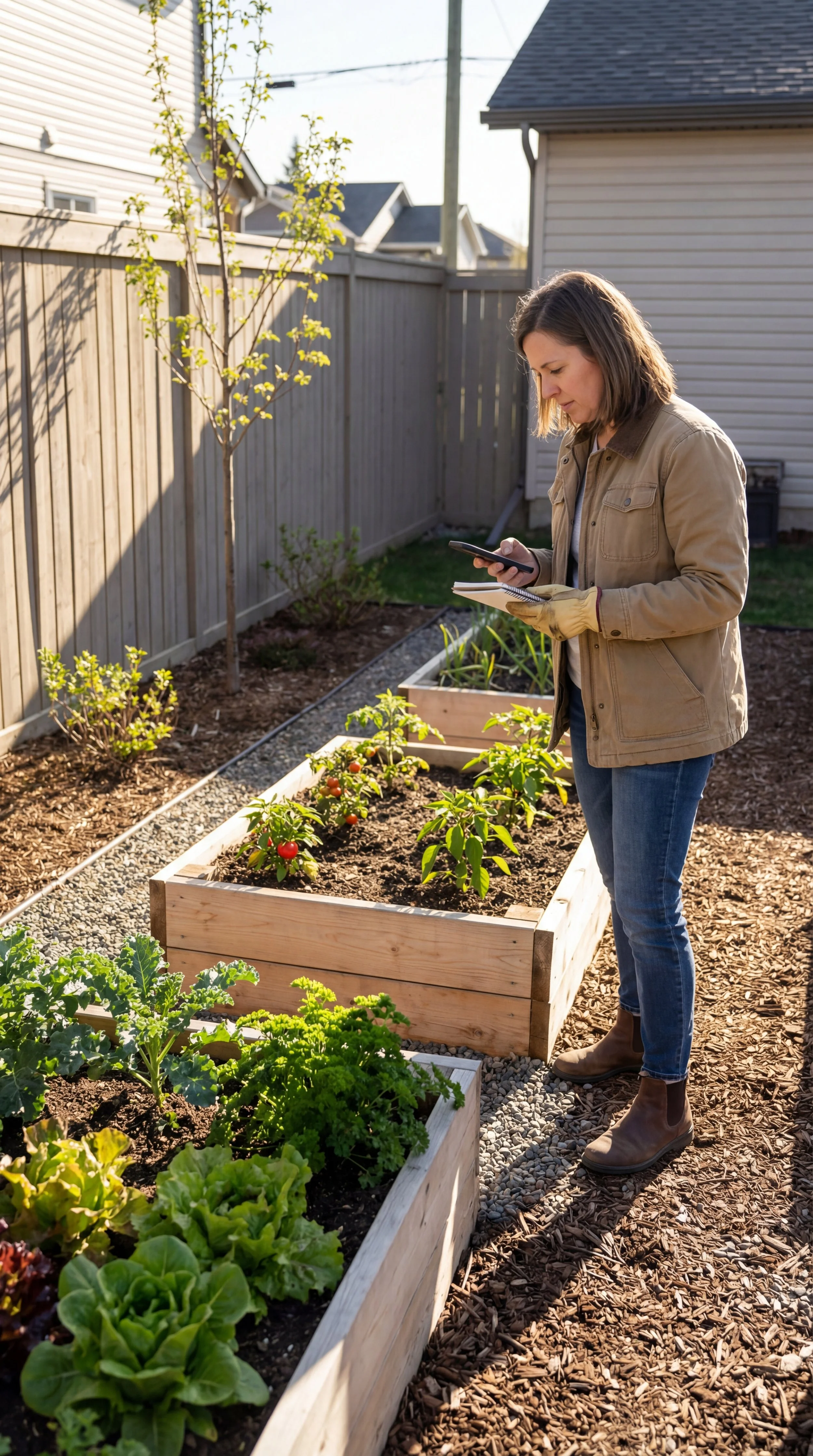
Start With Soil, Not Seeds
The biggest mistake beginners make is focusing on plants before soil.
Healthy plants grow from healthy soil. If your soil is compacted, nutrient-depleted, or poorly draining, no amount of watering or feeding will fix it.
Start by loosening the soil at least 8 to 12 inches deep. A sturdy garden fork or hand tiller makes this manageable without overworking the ground. You don’t need to pulverize it. You just want roots to be able to breathe and expand.
Next, add organic matter. Compost is the simplest upgrade you can make. Even a few inches mixed into the top layer dramatically improves drainage, nutrient availability, and microbial life.
If you’re unsure what your soil needs, an inexpensive soil test kit can tell you your pH and basic nutrient levels. That information prevents over-fertilizing, which is just as harmful as underfeeding.
Good soil upfront means fewer problems later.
Don’t Plant Too Early
It’s tempting to rush.
A warm afternoon in early spring does not mean the soil is ready. Cold soil slows root development and stresses young plants.
Instead of guessing, check soil temperature. A simple soil thermometer gives you accurate readings in seconds. Most vegetables prefer soil temperatures above 50 to 60 degrees Fahrenheit before planting.
Frost dates matter too. Know your region’s average last frost date and respect it. Planting too early often leads to stunted growth, even if plants survive.
Patience at the beginning protects months of work.
Choose the Right Plants for Your Light
Every spring, people buy plants that look good in the garden center without considering sunlight.
Before buying anything, observe your space.
How many hours of direct sun does the area receive? Six or more hours is considered full sun. Three to six is partial sun. Less than that is shade.
Tomatoes, peppers, and most vegetables need full sun. Leafy greens and herbs like parsley tolerate partial sun better.
Planting a sun-loving crop in shade almost always leads to disappointment.
Match the plant to the environment. Not the other way around.
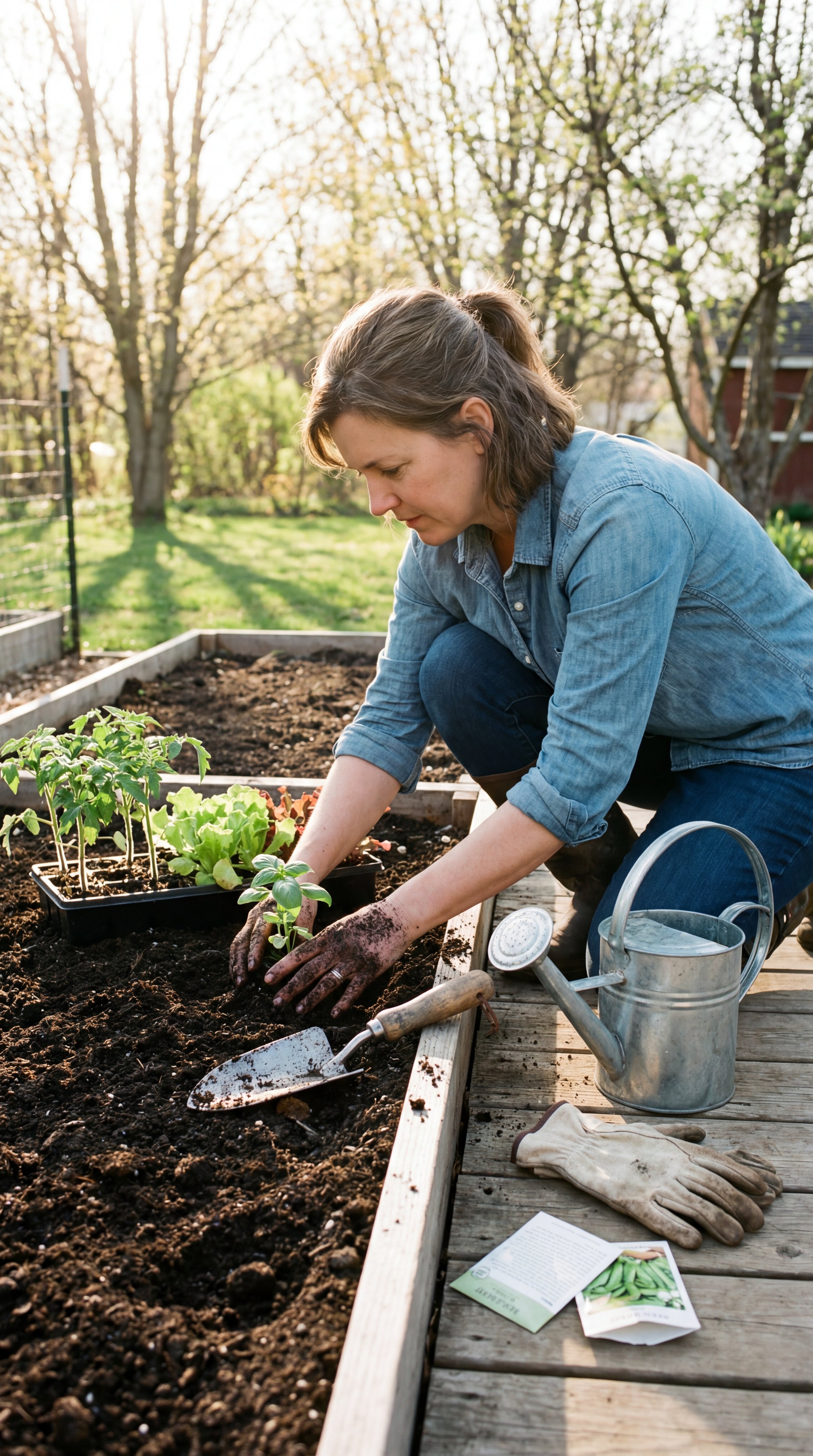
Build Smarter Raised Beds (If You’re Using Them)
If you’re starting with raised beds, build them with longevity in mind.
Use cedar or ground-rated pressure-treated lumber. Untreated pine breaks down quickly when exposed to soil and moisture.
Keep bed width under four feet so you can reach the center without stepping inside. Stepping compacts soil and reduces root growth.
Add a layer of cardboard at the bottom to suppress weeds before filling with soil. Then use a blend of high-quality garden soil and compost rather than straight topsoil.
Raised beds drain faster than ground soil, so plan for slightly more frequent watering as temperatures rise.
Space Plants Properly (Even If It Looks Empty)
Spacing feels wrong at first. Seed packets recommend distances that seem excessive. It looks sparse. You want to squeeze in more.
Resist that urge!
Overcrowded plants compete for nutrients, trap moisture, and encourage fungal disease. Good spacing improves airflow and sun exposure.
If you’re unsure, err on the side of slightly more space. Your midsummer garden will thank you.
Install Support Before You Need It
Tomato cages installed after plants are tall become a wrestling match.
Trellises added late often damage roots.
Install plant supports at planting time. Tomato cages, stakes, or vertical trellises placed early allow plants to grow into their support naturally.
This reduces stress and keeps stems upright during storms.
Planning for growth is easier than reacting to it.
Mulch Early
Mulch is one of the most underrated spring upgrades.
A two to three inch layer of organic mulch does several things:
Retains moisture
Suppresses weeds
Stabilizes soil temperature
Reduces soil splash onto leaves
Wood chips, shredded bark, or straw all work well depending on the crop.
Mulch saves watering time and dramatically cuts weeding later in the season.
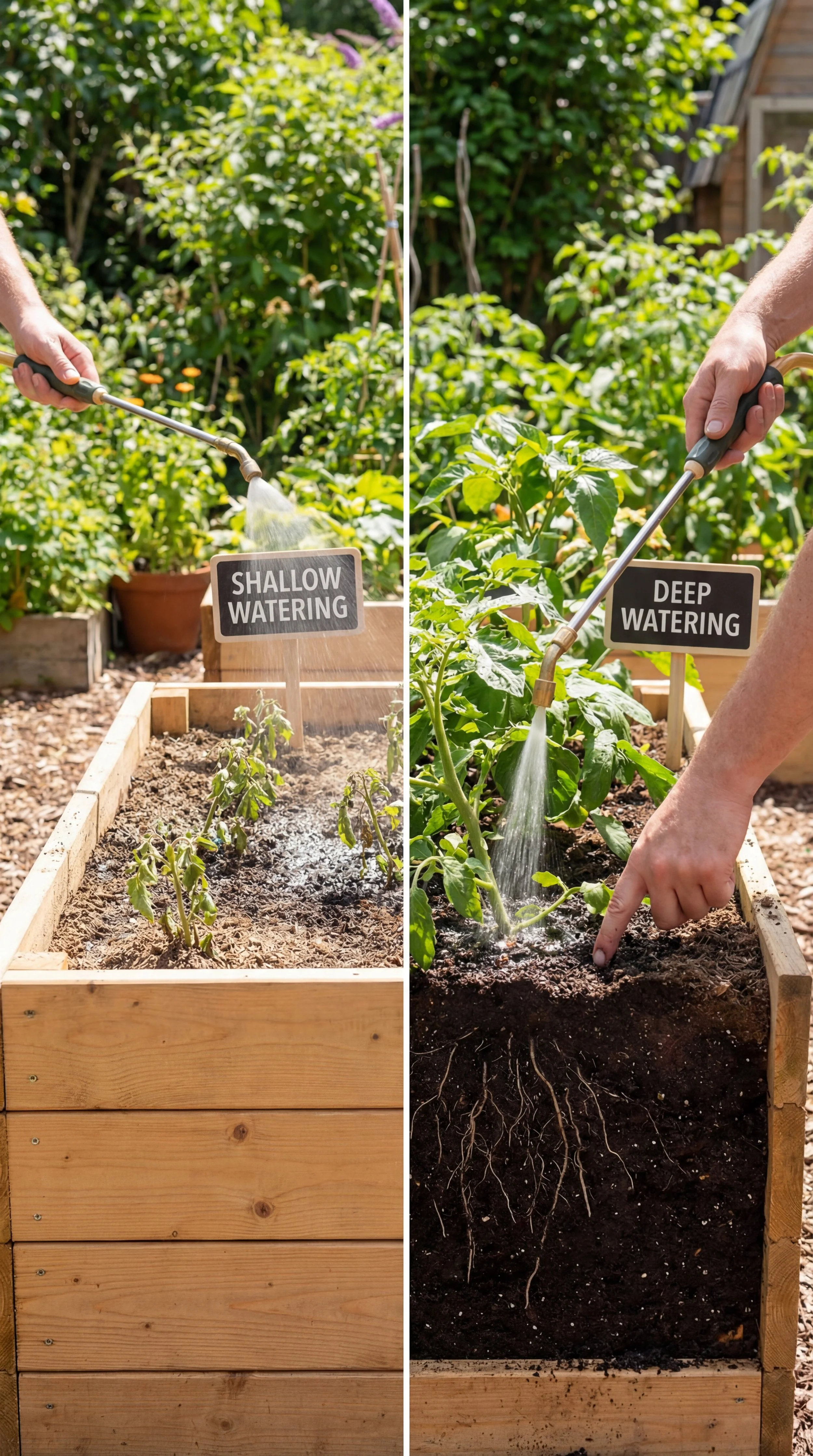
Water Deep, Not Often
New gardeners often water lightly every day. This encourages shallow root growth. Instead, water deeply but less frequently. Deep watering encourages roots to grow downward where moisture remains stable. A watering wand with adjustable pressure makes this easier without disturbing soil.
In raised beds or containers, check soil moisture with your finger before watering. The top inch can be dry while deeper soil is still moist. Consistency matters more than volume.
Protect Against Pests Early
Pest prevention is easier than pest control.
Floating row covers installed early can protect young plants from insects while allowing sunlight and water through.
For leafy greens, this alone can prevent major damage.
Keep weeds controlled from the start. Weeds attract pests and compete for nutrients.
If you’ve struggled with rabbits or deer in the past, simple garden fencing installed early prevents heartbreak later.
Protection is much easier when plants are small.
Start Small If You’re New
Ambition is the downfall of many first gardens.
It’s better to grow a few crops successfully than many poorly.
Choose three to five vegetables or herbs you actually eat. Basil, tomatoes, lettuce, zucchini, and green beans are beginner-friendly.
Success builds confidence. Overwhelm kills momentum.
A small, thriving garden is more satisfying than a large struggling one.
Keep Tools Simple but Reliable
You don’t need a shed full of equipment.
But quality tools matter.
At minimum, invest in:
Reliable tools reduce frustration and make maintenance feel manageable.
Cheap tools often bend, rust, or break mid-season.
Watch for Early Warning Signs
The first month of growth tells you everything.
Yellowing leaves can indicate overwatering or nutrient imbalance. Wilting may mean roots are stressed. Spots can signal fungal issues.
Walk your garden regularly. Observation prevents escalation.
Most problems are small at first.
Catching them early saves plants.
Plan for Maintenance Now
Gardens fail when they’re treated as one-time projects.
Think ahead.
Where will you store tools?
How will you manage weeds weekly?
Do you have a compost system?
Even a simple compost bin reduces waste and improves next year’s soil.
Low-maintenance gardens are built intentionally, not accidentally.
Final Thoughts
Spring gardening isn’t about perfection.
It’s about preparation.
When you build strong soil, respect timing, space plants properly, and plan for growth, everything else becomes easier. You’ll water less. Weed less. Worry less. A garden started right feels calm instead of chaotic.
And by midsummer, when everything is growing steadily, you’ll realize something important. Most gardening success doesn’t come from fixing problems.
It comes from preventing them. Start well this spring, and the rest of the season becomes a lot more enjoyable.