
Never Put These 7 Plants in Your Garden
(Unless You Enjoy Fighting Them Forever)
Gardening advice usually focuses on what to plant. Tomatoes that thrive. Herbs that grow fast. Flowers that come back every year.
What rarely gets talked about is the opposite question, and it’s just as important:
What should you never plant?
Some plants look harmless at first. They grow quickly. They fill space. They even look beautiful for a season or two. Then they start spreading. Crowding. Escaping their beds. Taking over areas you never intended them to reach. The problem isn’t that these plants are bad in every situation. It’s that they are often planted without understanding how aggressive, invasive, or difficult they can be to control long-term. If you want a garden that stays manageable, here are seven plants you should think very carefully about before putting them in the ground.
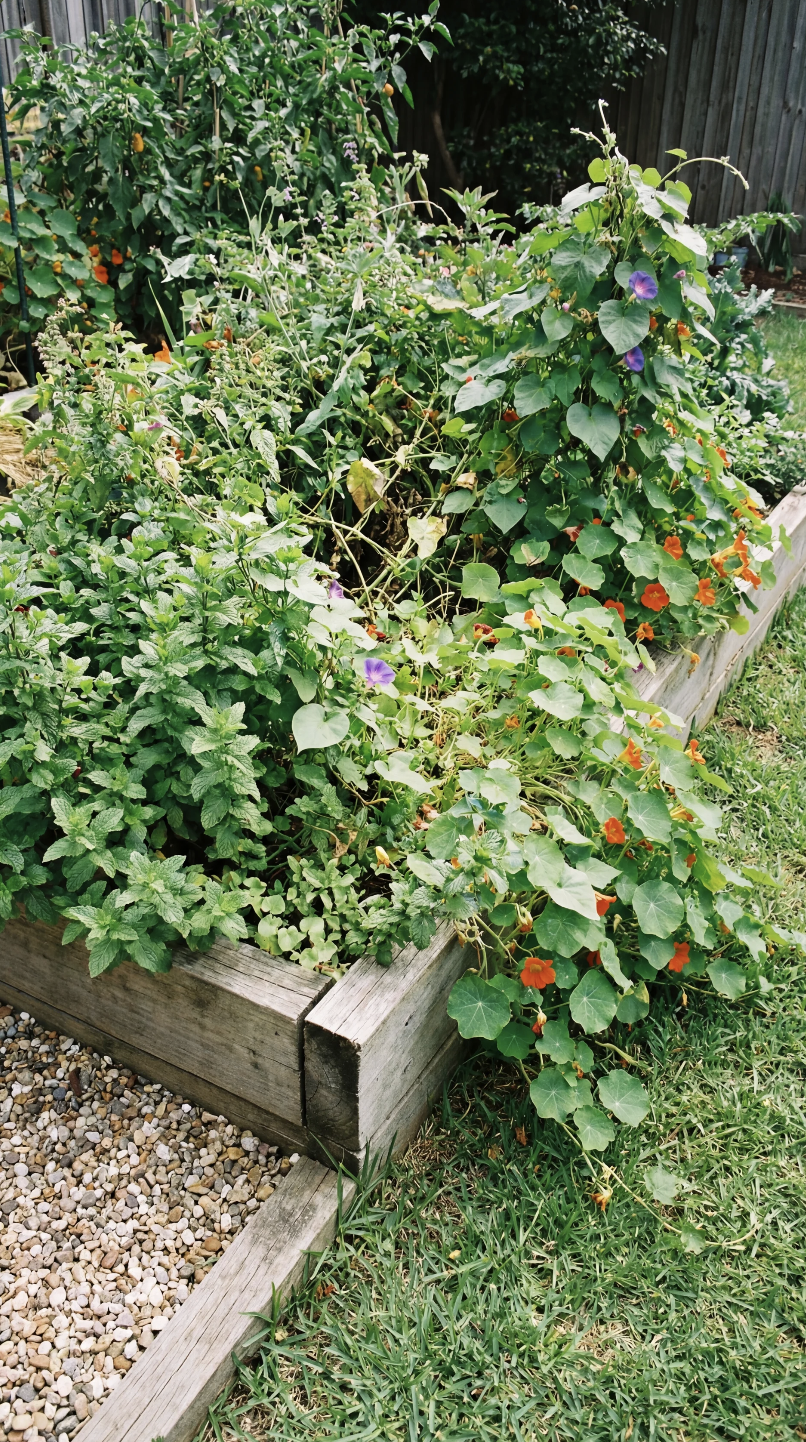
1. Mint (Unless It’s in a Container)
Mint is usually the first plant people regret.
It smells great. It’s useful. It grows easily. And once it’s in the ground, it does not respect boundaries.
Mint spreads through underground runners that can travel far beyond where you originally planted it. Pulling it out rarely works because even small root fragments can regrow. It will pop up between pavers, through mulch, and into nearby beds.
If you love mint, grow it in a dedicated container with solid sides. Some gardeners even sink the container into the ground to keep it contained. Using heavy-duty planters or raised beds lined with landscape fabric can help, but planting mint directly into open soil is almost always a mistake.
2. Bamboo (Unless You Truly Know What You’re Doing)
Bamboo looks clean and modern. It grows fast and creates privacy. That speed is exactly the problem.
Many bamboo varieties are “running” types, meaning they spread aggressively through underground rhizomes. Once established, bamboo can break through lawn, gardens, and even damage hardscaping.
Removing it often requires digging out large sections of soil or installing deep root barriers designed specifically for bamboo containment.
If bamboo is part of your vision, look for clumping varieties and install proper root barriers from the start. These barriers are heavy plastic or metal panels that go deep into the soil and are not optional if you want control.
Without containment, bamboo can quickly turn from feature plant to neighborhood problem.
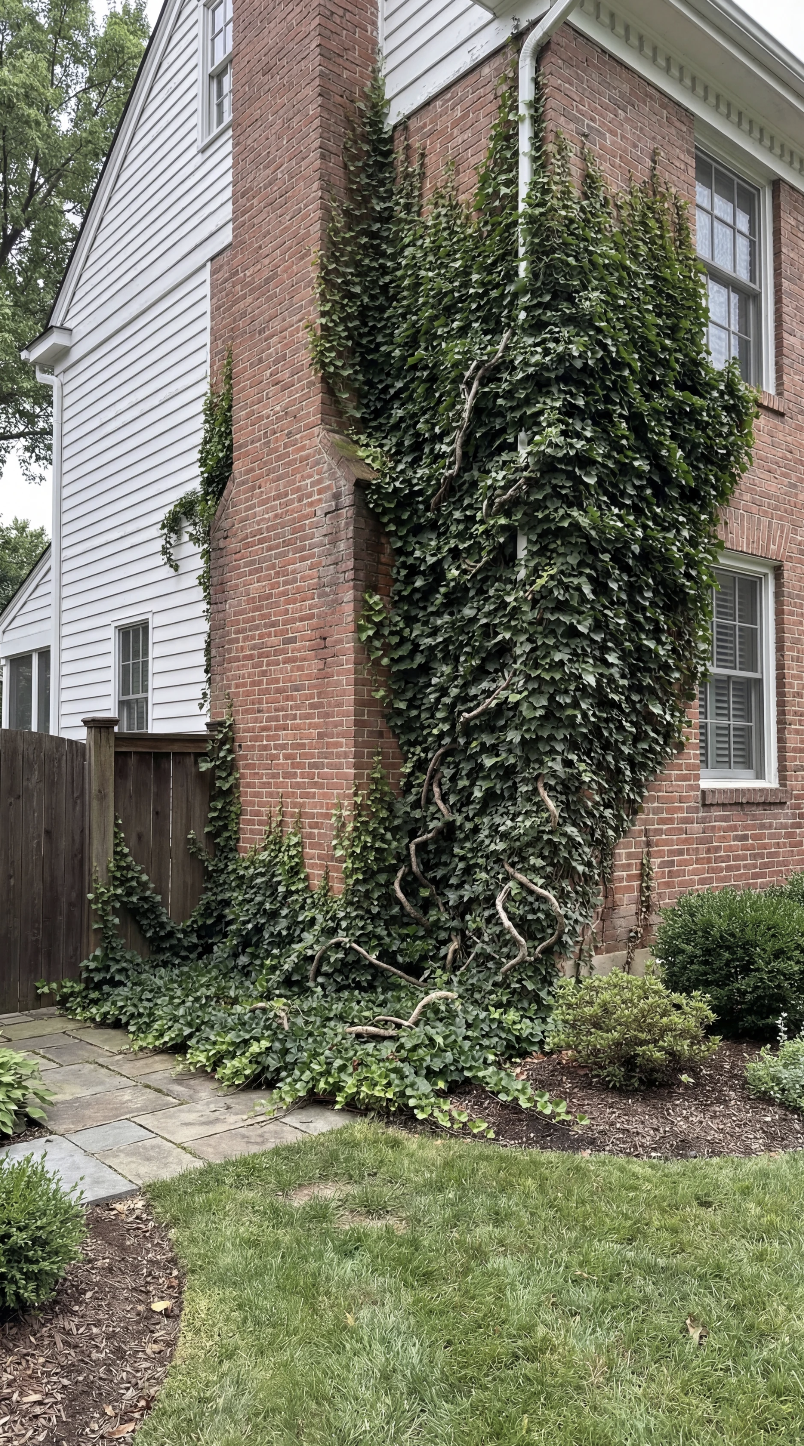
3. English Ivy
English ivy is often planted for ground cover or to soften walls and fences.
Over time, it does far more than that.
It spreads aggressively, climbs structures, traps moisture against surfaces, and can damage siding, brick, and mortar. In many regions, it is considered invasive and displaces native plants.
Once established, ivy is difficult to remove because it roots wherever it touches the ground. Cutting it back only slows it down.
If you want ground cover, consider native alternatives that stay contained and support local ecosystems. Landscape fabric combined with mulch is often a better solution than aggressive ground covers that need constant control.
4. Wisteria
Wisteria is beautiful. There’s no denying that.
The problem is that it grows with an intensity most people underestimate.
Wisteria vines can become incredibly heavy, pulling down trellises, fences, and even damaging structures. They require strong support and regular pruning just to keep them in check.
Left unmanaged, wisteria can strangle nearby plants and overwhelm garden spaces. Pruning tools quickly become essential, and even then, control is ongoing.
If you’re drawn to flowering vines, choose ones that grow at a slower, more predictable pace. And if you do plant wisteria, invest in heavy-duty trellises and quality pruning shears designed for thick vines, not light garden clippers.
5. Trumpet Vine
Trumpet vine is another plant that earns regret points quickly.
It attracts pollinators and grows fast, which sounds appealing. Unfortunately, it also sends runners far from the original plant and can sprout in unexpected places.
The vines cling aggressively to surfaces, and like ivy, they can trap moisture and cause damage. Removing trumpet vine often turns into a multi-season battle.
If your goal is attracting pollinators, native flowering plants or shrubs provide the benefit without the constant fight. A soil test kit can help you choose plants that naturally thrive in your soil conditions, reducing the temptation to rely on aggressive growers.
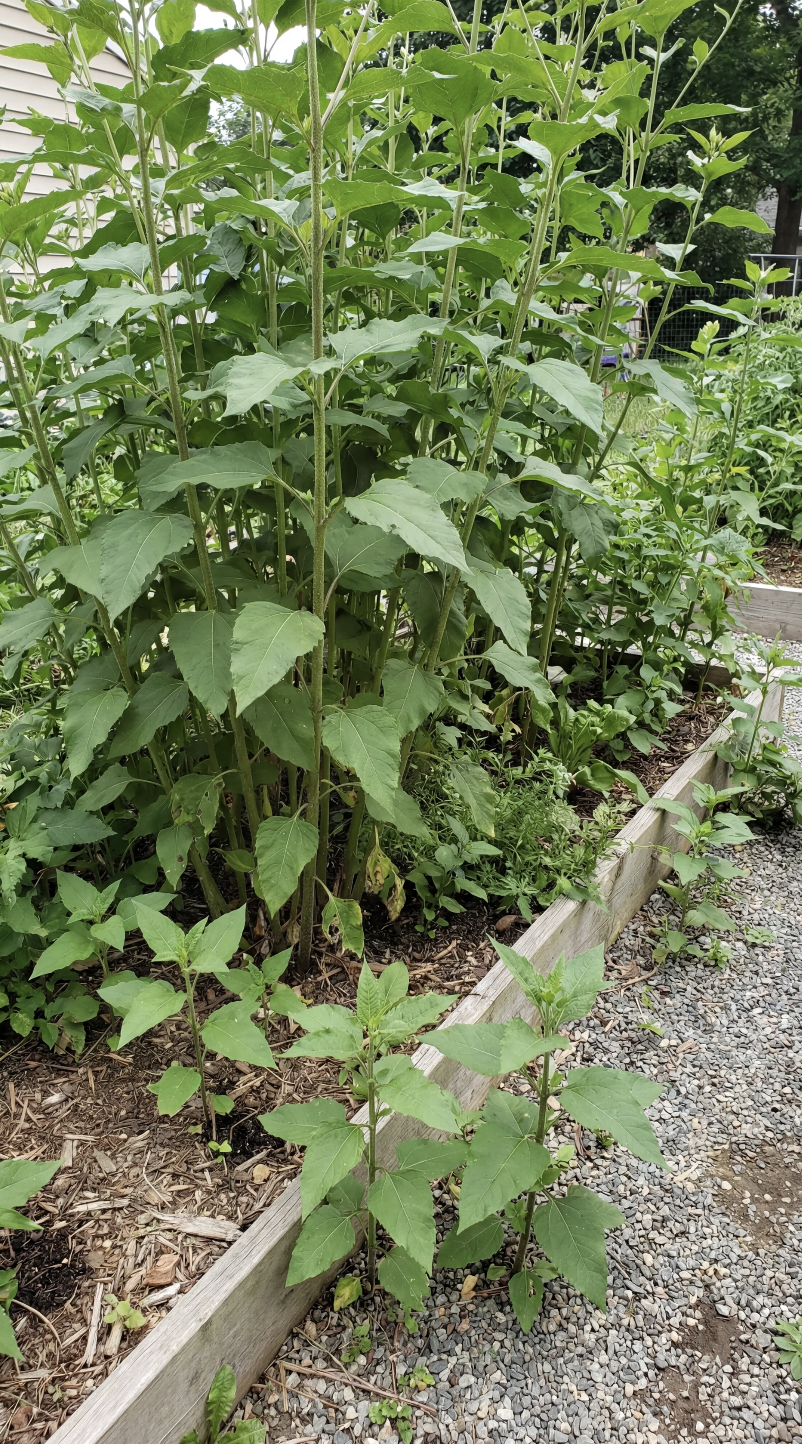
6. Jerusalem Artichoke
Jerusalem artichoke is sometimes planted for its edible tubers.
What many people don’t realize is how aggressively it spreads.
Once planted, it behaves more like a weed than a vegetable. Tubers left behind after harvest regrow easily, and the plant spreads quickly through underground growth.
If you want to grow it, treat it like mint and keep it contained. Raised beds with solid sides or deep containers work best. Without containment, it can take over garden areas and be very difficult to fully remove.
7. Morning Glory
Morning glory seems harmless at first.
It grows fast, flowers beautifully, and climbs easily. The problem is that it self-seeds aggressively. Once established, it returns year after year, often in places you never planted it.
Morning glory vines wrap tightly around other plants, competing for light and nutrients. Removing it requires consistent monitoring and pulling before it sets seed.
If you want climbing flowers, choose varieties that don’t self-seed as aggressively. Installing trellises that allow easy pruning and removal also helps keep growth under control.
Why These Plants Cause So Much Frustration
The common thread among all these plants is not that they’re “bad.”
It’s that they grow faster, spread farther, or persist longer than most home gardens are designed to handle.
They require:
constant pruning
containment systems
long-term maintenance
Without those systems in place from day one, they become a source of frustration instead of enjoyment.
This is why many experienced gardeners focus just as much on what not to plant as what to plant.
How to Garden Smarter From the Start
Before planting anything, ask a few simple questions:
How does this plant spread?
Does it self-seed?
Does it have underground runners?
How easy is it to remove later?
Checking local extension resources or regional gardening guides is always smart. What behaves nicely in one climate may be invasive in another.
Using raised beds, containers, and proper edging from the start gives you control. Quality landscape fabric, solid planters, and durable garden edging are not shortcuts. They are preventative tools.
Final Thoughts
Gardens should feel rewarding, not exhausting.
The biggest regrets usually come from plants that seemed like a good idea at the time but turned into long-term battles. Avoiding those mistakes does not make you a less adventurous gardener. It makes you a smarter one.
Planting with intention means thinking beyond this season. When you choose plants that stay where you put them, your garden stays a place you enjoy instead of one you constantly fight.
Sometimes the best gardening advice isn’t what to add.
It’s what to leave out.