
The Best Cleaning Tips Around the Home
(The Places Everyone Forgets Until They Become a Problem)
Most people clean their homes regularly. Counters get wiped. Floors get vacuumed. Bathrooms get scrubbed. On the surface, everything looks fine. And for the most part, it is. The issue isn’t that homes aren’t being cleaned. It’s that the same obvious areas get cleaned over and over, while the less visible ones quietly collect dust, grease, moisture, and buildup for years.
These are the places that slowly make a home feel stale, smell off, or look tired even after a full cleaning day. They’re not dirty in a dramatic way. They’re just forgotten. Once you know where they are, cleaning them is usually quick and oddly satisfying.
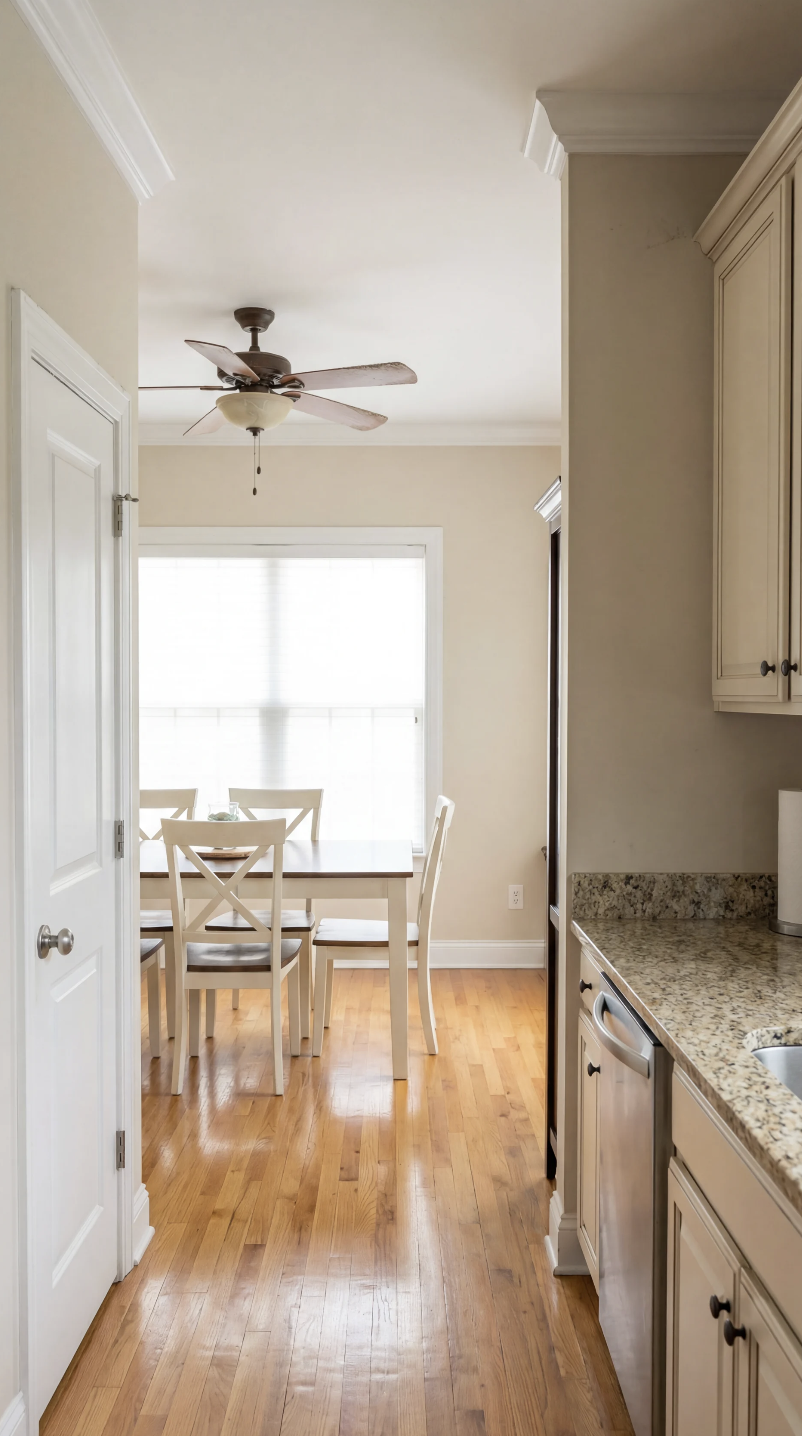
Start With This Rule: If It Doesn’t Get Touched, It Doesn’t Get Cleaned
Most cleaning routines revolve around what we see and use daily.
But dust, grease, and grime love places we don’t touch:
high
hidden
behind
underneath
inside channels and vents
That’s where the biggest improvement usually comes from.
The Tops of Cabinets (Especially in Kitchens)
This is one of the most overlooked areas in any home.
The space above kitchen cabinets collects a mix of grease, dust, and airborne cooking residue. Over time, it forms a sticky film that’s harder to clean the longer it sits. Most people don’t notice it until they finally look up — and then they can’t unsee it.
A simple degreasing cleaner and a microfiber cloth usually handle it easily if you catch it early. Some homeowners even line the tops with aluminum foil or shelf liner so future cleanups take seconds instead of scrubbing.
Sink Overflow Holes
That small hole near the top of your bathroom or kitchen sink isn’t decorative. It’s an overflow channel designed to prevent flooding — and it’s one of the most bacteria-filled spots in the room.
Water, soap residue, toothpaste, and organic matter collect inside that hidden channel. Because it never fully dries, it becomes a perfect environment for odor and buildup. Foaming drain cleaners or flexible cleaning brushes work well here. Cleaning this once or twice a year can noticeably improve sink odors and drainage.
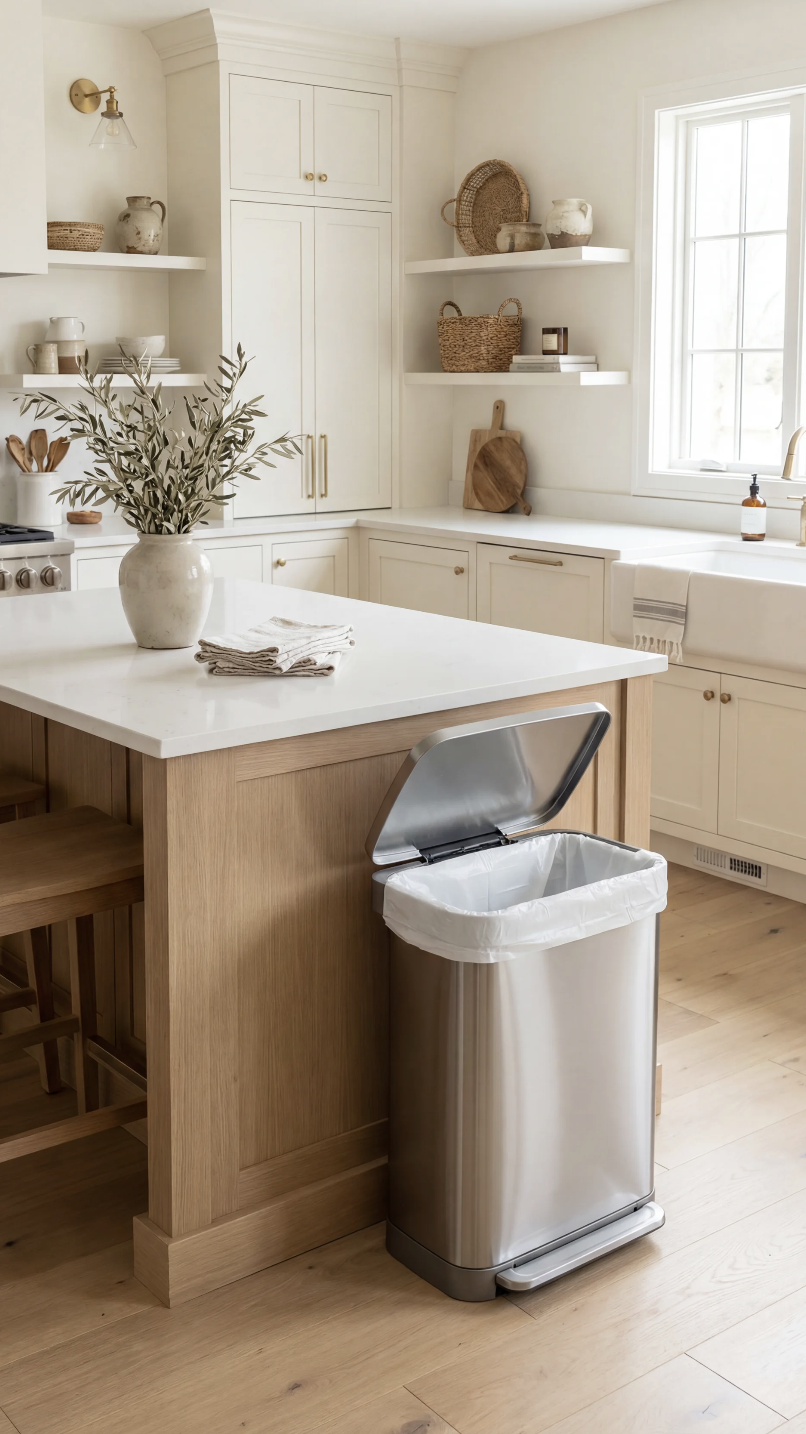
The Inside of Trash Cans (Not Just the Bag)
Trash bags hide a lot. Liquids leak. Food residue builds up. And even with regular bag changes, trash cans develop smells that linger in a room.
A quick rinse isn’t always enough. Periodic deep cleaning with hot water and a disinfecting cleaner removes residue that air fresheners never fix. Doing this outdoors with a hose makes it fast and painless.
Light Fixtures and Ceiling Fans
Dust loves high places. Ceiling fans, light fixtures, and shades collect layers of dust that slowly get redistributed through the room every time air moves.
This is especially noticeable in rooms that never feel quite fresh, even after cleaning. Removing light covers and wiping them down, or using a microfiber duster on fan blades, immediately improves air quality and brightness. It’s one of those changes people feel before they realize why.
Door Frames, Trim, and Baseboards
Baseboards are easy to forget because they don’t look “dirty” from a distance.
Up close, they tell a different story.
Dust, pet hair, and scuff marks collect along trim lines and corners. In hallways and near doors, this buildup is especially noticeable once cleaned.
A damp microfiber cloth or a soft brush attachment on a vacuum makes this a quick win. Clean trim quietly makes the whole room feel sharper.
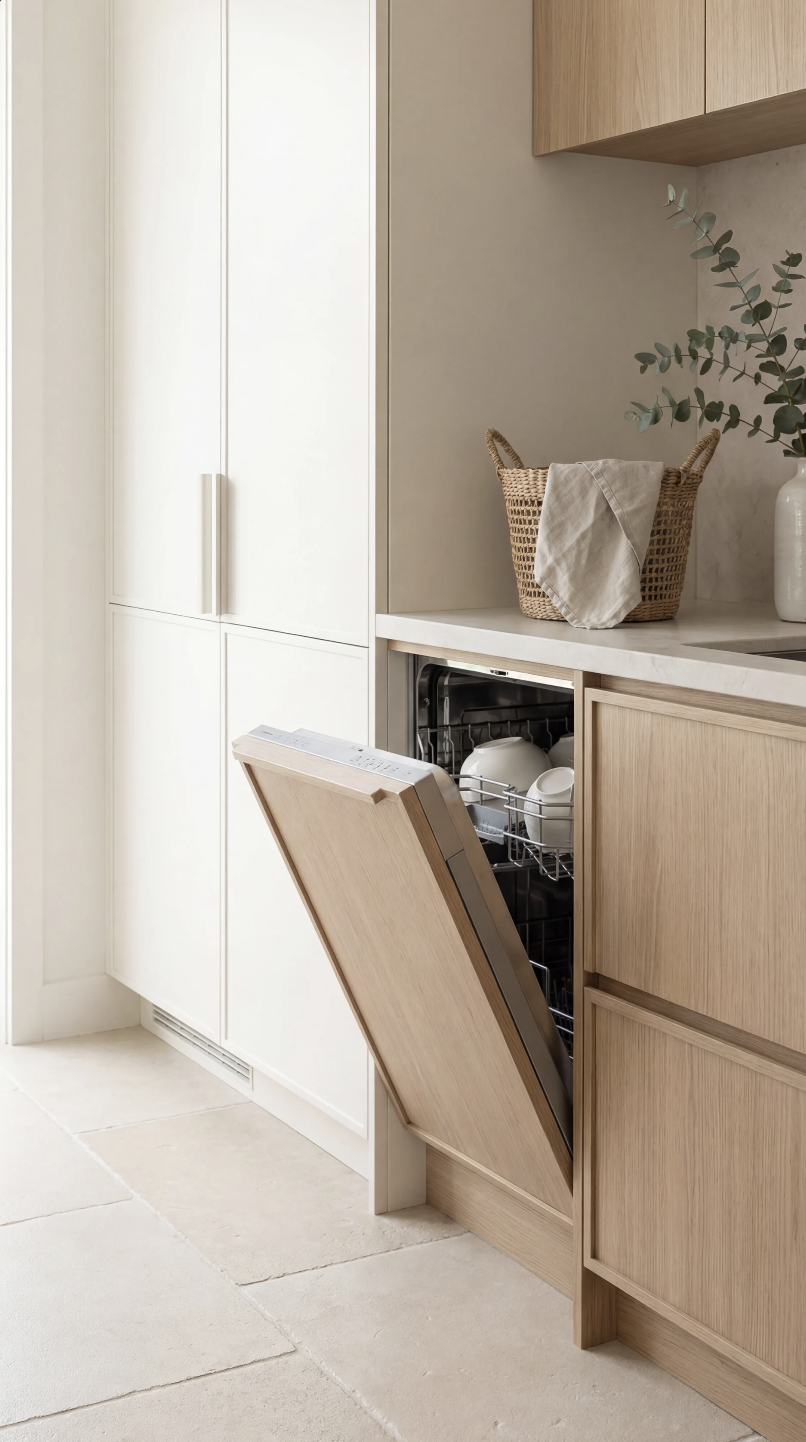
Inside Appliances That “Clean Themselves”
Some appliances create a false sense of cleanliness.
Dishwashers, washing machines, and dryers all benefit from occasional cleaning — even though their job is cleaning.
Dishwashers have filters that trap food debris. Washing machines accumulate detergent residue and moisture. Dryers collect lint beyond the lint trap.
Cleaning these internal components improves performance, reduces odors, and extends appliance life.
Refrigerator Door Seals
Refrigerator gaskets trap crumbs, spills, and moisture.
When they get dirty, they don’t seal as well. That causes cold air leaks, increased energy use, and temperature fluctuations.
Wiping seals with warm soapy water keeps them flexible and clean. It also helps prevent mildew smells that are hard to trace.
Behind and Under Large Furniture
Couches, beds, and dressers hide a lot.
Dust, pet hair, and lost items accumulate underneath and behind furniture that rarely moves. Over time, this buildup affects air quality and can even attract pests.
You don’t need to move everything constantly. Even pulling furniture out once or twice a year makes a noticeable difference.
Shower Curtains, Liners, and Tracks
Shower curtains and liners quietly collect soap scum and mildew, even if the shower itself looks clean.
Shower door tracks are another forgotten spot. Water sits in them constantly, and debris builds up in corners where it’s hard to see.
Removing liners to wash them and scrubbing tracks with a small brush keeps bathrooms smelling fresh and prevents long-term staining.
Bathroom and Kitchen Exhaust Fans
Fans move moisture and odors out of your home — until they get clogged with dust.
Over time, dust buildup reduces airflow, making bathrooms stay damp longer and kitchens hold onto smells.
Removing the fan cover and vacuuming or wiping the blades improves ventilation dramatically. It’s one of the simplest ways to reduce moisture-related problems.
Remote Controls, Switch Plates, and Handles
These are some of the most touched surfaces in a home — and some of the least cleaned.
Light switches, door handles, remote controls, and cabinet pulls collect oils and bacteria that don’t always show visually but contribute to a grimy feel.
A disinfecting wipe or gentle cleaner used occasionally keeps these areas hygienic and improves the overall feel of the home.
Window Tracks and Sills
Windows often get cleaned, but the tracks don’t.
Dirt, bugs, and moisture collect in window tracks and sills, especially in older homes. This buildup can interfere with window operation and create musty smells.
Vacuuming loose debris and wiping tracks with a damp cloth restores function and appearance quickly.
The Top of Doors and Frames
This is one of the most forgotten spots in a house.
The top edge of doors and frames collects dust that never gets disturbed. It’s invisible from eye level, but once cleaned, rooms feel noticeably fresher.
A microfiber cloth and a step stool are all it takes.
Final Thoughts
A clean home isn’t about doing more cleaning.
It’s about cleaning smarter.
Most of the improvement comes from addressing the places that quietly collect buildup while everyone focuses on the obvious surfaces. When those forgotten areas are clean, the entire home feels lighter, fresher, and easier to maintain.
You don’t need to tackle everything at once.
Pick one spot that surprised you. Clean it well. Then notice how the space feels afterward.
That’s usually enough motivation to keep going.