
Ultimate Bathroom Ventilation Guide
(Fans, Moisture, and Mold Prevention)
Bathrooms are designed to handle water, but they are not designed to trap it.
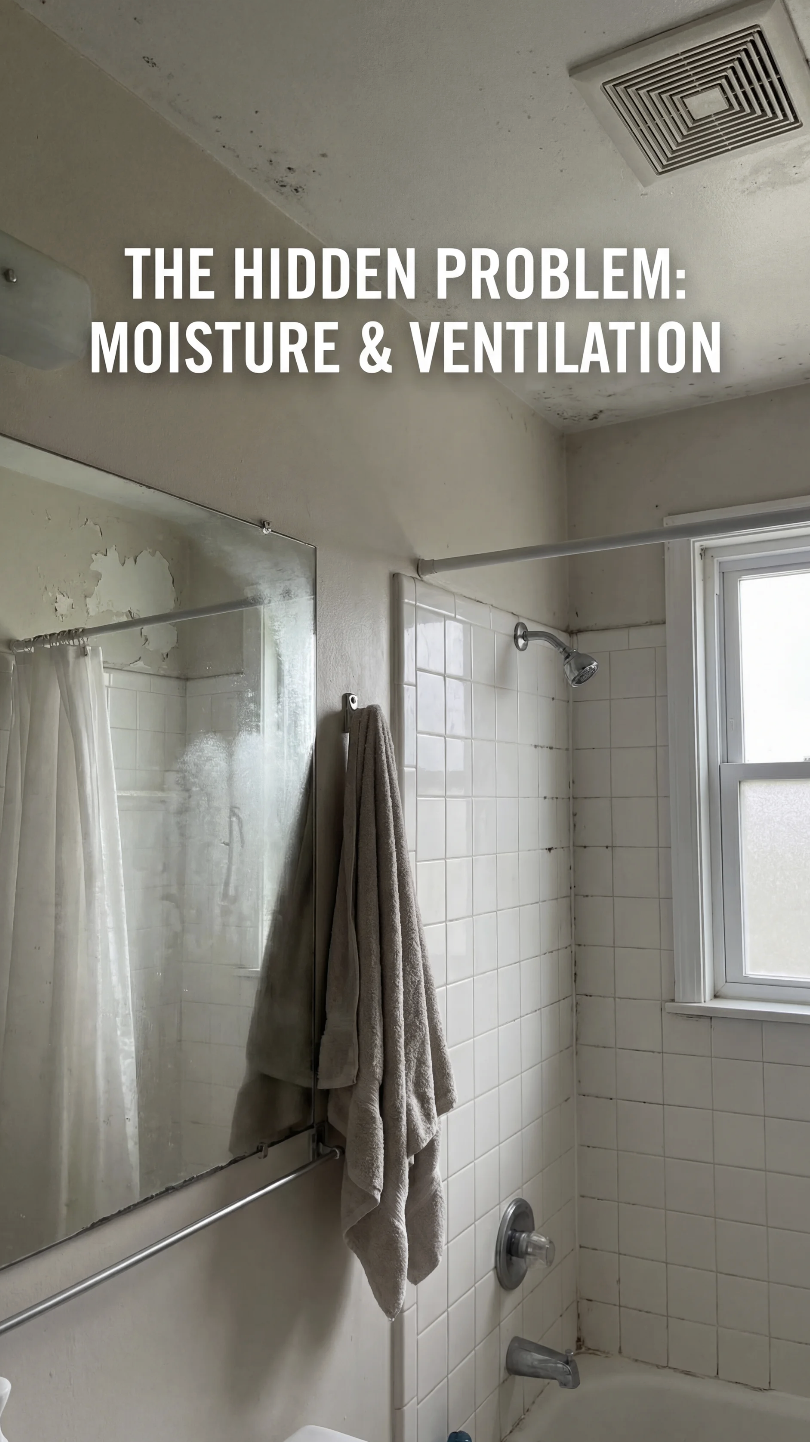
Every shower releases warm moisture into the air. Every bath raises humidity. Even daily tasks like handwashing and running hot water add moisture to an enclosed space. When that moisture has nowhere to go, it settles into walls, ceilings, grout lines, and fixtures. Over time, this changes how a bathroom feels, smells, and ages.
Most bathroom problems people blame on cleaning or materials are actually ventilation problems. Mold that keeps coming back. Peeling paint. Damp towels that never dry. Mirrors that fog and stay fogged. These are not signs that something is dirty. They are signs that moisture is lingering longer than it should.
Good bathroom ventilation quietly prevents these issues before they start. When it works well, you barely notice it. When it doesn’t, the bathroom becomes one of the highest-maintenance rooms in the house.
This guide explains how bathroom ventilation really works, why it often fails, and what actually fixes it.
Why Bathroom Ventilation Matters More Than You Think
Moisture is persistent. It does not disappear just because surfaces dry.
When humid air stays trapped, it migrates into porous materials like drywall, grout, wood trim, and insulation. This is what creates long-term damage. The bathroom may look fine for months or even years, but moisture-related issues build slowly behind the scenes.
Poor ventilation shows up as:
mold returning quickly after cleaning
peeling or bubbling paint on ceilings
musty or stale smells
warped trim or cabinetry
towels and mats that never fully dry
Ventilation isn’t about removing steam instantly. It’s about controlling how long moisture stays in the room.
How Bathroom Fans Actually Work (And Why Many Don’t)
A bathroom exhaust fan has one simple job: move moist air out of the house.
The problem is that many fans are undersized, clogged, poorly ducted, or simply not used correctly. Some are loud enough that people avoid turning them on at all. Others technically run but move very little air.
Fan performance depends on three things:
airflow capacity (measured in CFM)
clean, unobstructed ducting
proper venting to the exterior
If any one of these fails, moisture lingers.
As a general rule, bathrooms need at least 1 CFM per square foot of floor space. Larger bathrooms or ones with showers and tubs benefit from higher-capacity fans. Quiet, higher-efficiency fans are more likely to be used consistently, which matters more than raw power.
The Most Common Ventilation Mistake: Fans That Vent Nowhere
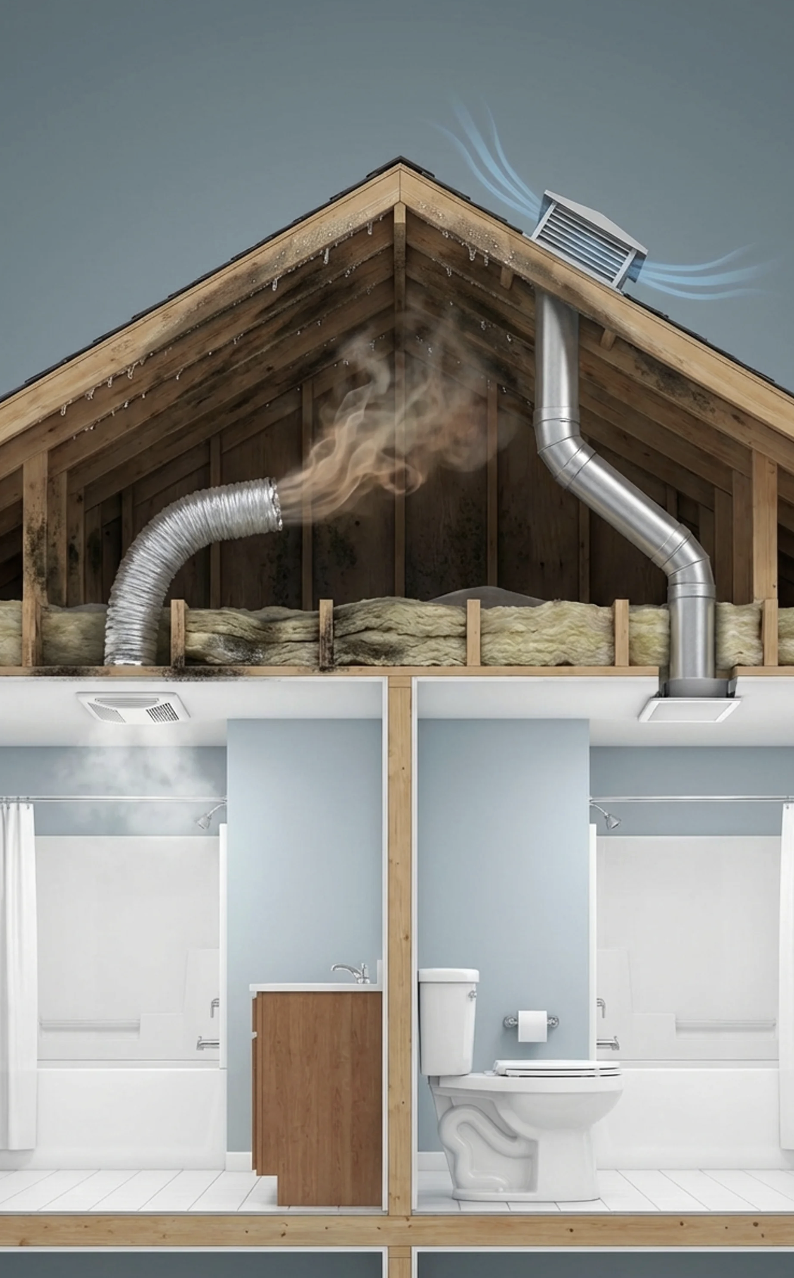
One of the most common issues found in homes is bathroom fans that vent into attics or wall cavities instead of outdoors.
This doesn’t remove moisture. It relocates it.
Moist air dumped into an attic condenses on cold surfaces, leading to insulation saturation, mold growth, and roof damage. Venting into wall cavities causes similar problems inside framing.
Proper ventilation requires ducting that runs all the way outside through a roof vent or exterior wall cap. If you’re unsure where your fan vents, it’s worth checking. Fixing this one issue often solves years of recurring moisture problems.
Cleaning Fans Is Maintenance, Not Optional
Bathroom fans clog slowly.
Dust, lint, and hair build up on the fan grille and blades, reducing airflow significantly. A fan that sounds like it’s running may be moving very little air.
Removing the grille and vacuuming it, along with gently cleaning the fan housing, restores performance immediately. This is one of the simplest maintenance tasks with the biggest payoff.
Doing this once or twice a year keeps the fan operating near its original capacity and extends its lifespan.
When It’s Time to Replace the Fan
Some fans are simply outdated.
Older fans tend to be loud, inefficient, and undersized by modern standards. Because they’re noisy, people use them less, which defeats their purpose entirely.
Replacing an old fan with a quiet, higher-capacity model is one of the most effective bathroom upgrades you can make. Modern fans move more air, operate quietly, and often include features like humidity sensors or timers.
A humidity-sensing fan turns on automatically when moisture rises and shuts off once the room dries. Timer switches allow you to run the fan for a set period after showering, which is often enough to clear lingering moisture without thinking about it.
These upgrades are usually one-time fixes that dramatically reduce ongoing maintenance.
Doors, Gaps, and Makeup Air
Ventilation requires airflow into the room as well as out of it.
If a bathroom door is sealed tightly with no gap underneath, the fan struggles to pull air. This reduces effectiveness and leaves moisture behind.
A small gap under the door allows fresh air to enter as humid air exits. This balance makes ventilation work properly. If moisture issues persist even with a functioning fan, airflow into the bathroom is worth checking.
Grout, Paint, and Finishes: Ventilation’s Silent Victims
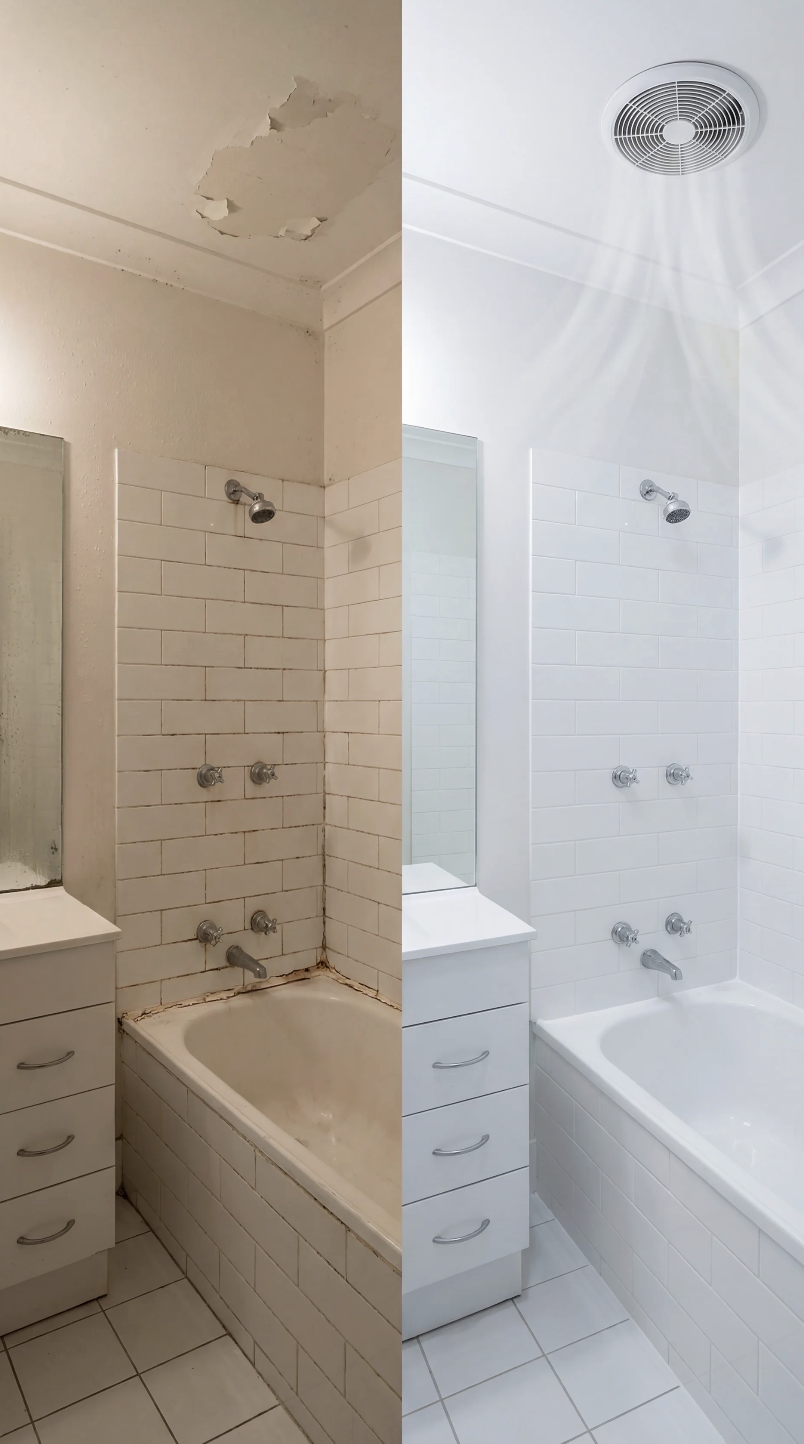
Many surface failures blamed on poor materials are actually moisture issues.
Grout that darkens quickly, paint that peels, and caulk that fails prematurely all suffer when moisture lingers. Even high-quality products break down faster in poorly ventilated bathrooms.
Using moisture-resistant paint on ceilings helps, but paint alone does not fix humidity problems. Ventilation is the foundation. Surface products perform best when moisture is controlled at the source.
Showers Without Windows: Extra Attention Required
Bathrooms without windows rely entirely on mechanical ventilation.
In these spaces, fan performance matters even more. Running the fan during showers and for at least 15–20 minutes afterward prevents moisture from settling into corners and ceilings.
Timer switches make this easy. Instead of remembering to turn the fan off later, you set it once and let it run long enough to do its job.
This small habit change dramatically reduces mold growth and surface wear.
Hidden Moisture Paths to Watch For
Moisture doesn’t always stay where you expect it.
Warm, humid air rises. It finds gaps around light fixtures, vents, and ceiling penetrations. From there, it enters attic spaces or wall cavities.
Sealing gaps around fan housings and ceiling fixtures with appropriate sealants helps keep moisture moving out through the fan instead of into the structure. This is a detail often skipped, but it makes a real difference long term.
Towels, Mats, and Drying Time
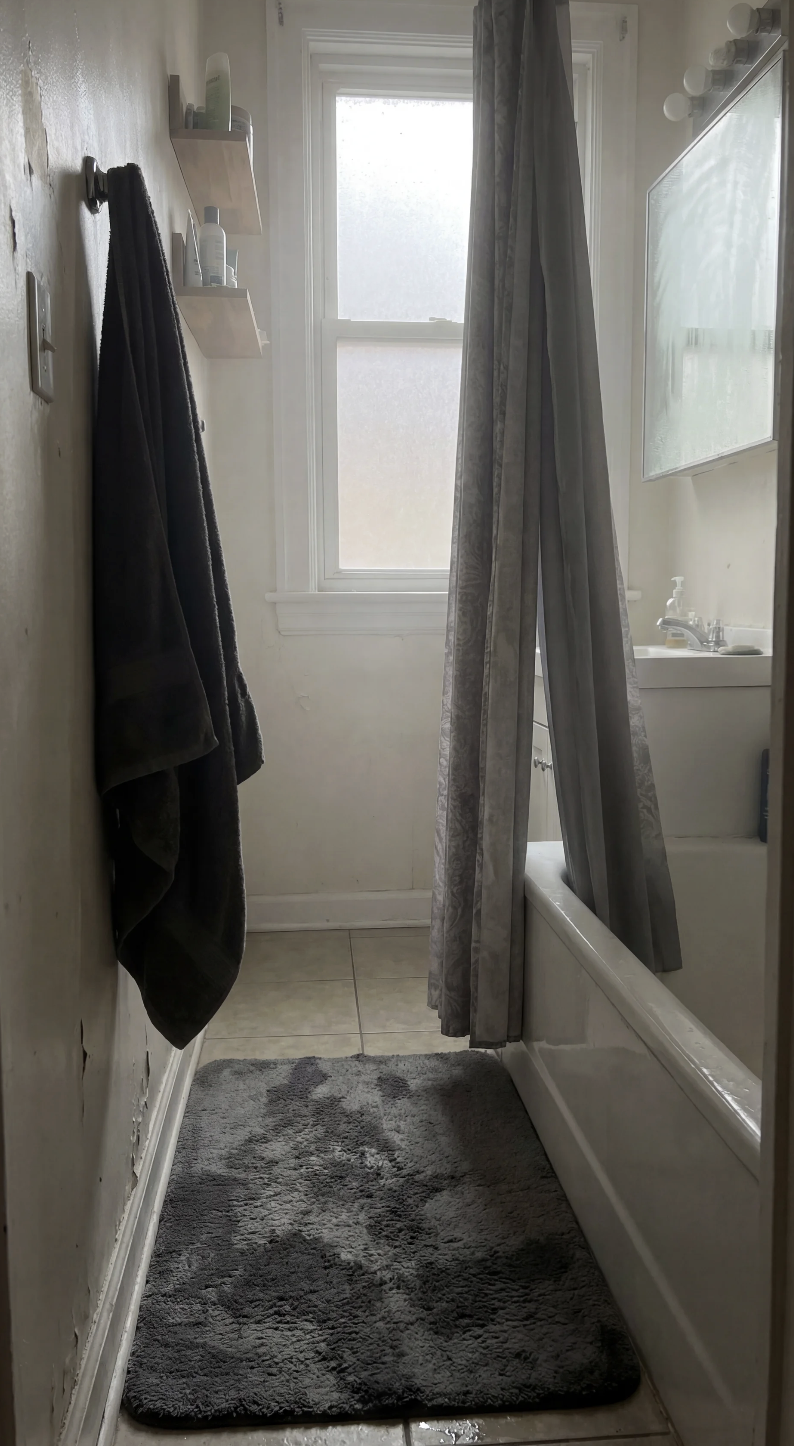
Ventilation affects more than walls.
Poor airflow keeps towels, bath mats, and shower curtains damp longer. Damp fabrics develop odors and mildew faster, increasing laundry frequency and frustration.
When ventilation improves, fabrics dry faster, smell cleaner, and last longer. This is one of those improvements you notice immediately without realizing why.
Seasonal Considerations
Ventilation performance changes with seasons.
In colder months, warm humid air condenses faster on cold surfaces, increasing moisture risk. In warmer months, humidity levels may already be high, making moisture removal more important.
This is why ventilation issues often feel worse in winter. Using fans consistently during colder months protects finishes and framing when moisture is most likely to cause damage.
When Ventilation Isn’t Enough
In some cases, ventilation alone can’t keep up.
Large bathrooms, multiple daily showers, or homes with overall humidity issues may need additional support. A small dehumidifier used temporarily can help during high-moisture periods, especially in older homes.
This should be seen as a supplement, not a replacement for proper ventilation.
Final Thoughts
Bathroom ventilation is one of the most quietly important systems in a home.
When it works, bathrooms stay cleaner, fresher, and easier to maintain. When it doesn’t, homeowners fight the same issues repeatedly without understanding the cause.
Good ventilation is not about eliminating moisture entirely. It’s about controlling how long it stays. That control protects surfaces, improves air quality, and reduces daily maintenance without changing how the bathroom looks.
If your bathroom feels damp, musty, or harder to keep clean than it should, ventilation is the place to start.