
Why Your Tile Grout Keeps Looking Bad
(And the Fix That Actually Lasts)
Tile grout has a way of making an otherwise clean room look tired.
You can scrub the tile until it shines, mop the floor, wipe the counters, and still feel like something looks off. The grout lines stay dark. Or uneven. Or cracked. Or stained in a way that never quite goes away. Most homeowners assume this means they are not cleaning it well enough. In reality, grout usually looks bad for reasons that have very little to do with cleaning.
Understanding why grout fails is the difference between constantly fighting it and fixing it once in a way that actually lasts.
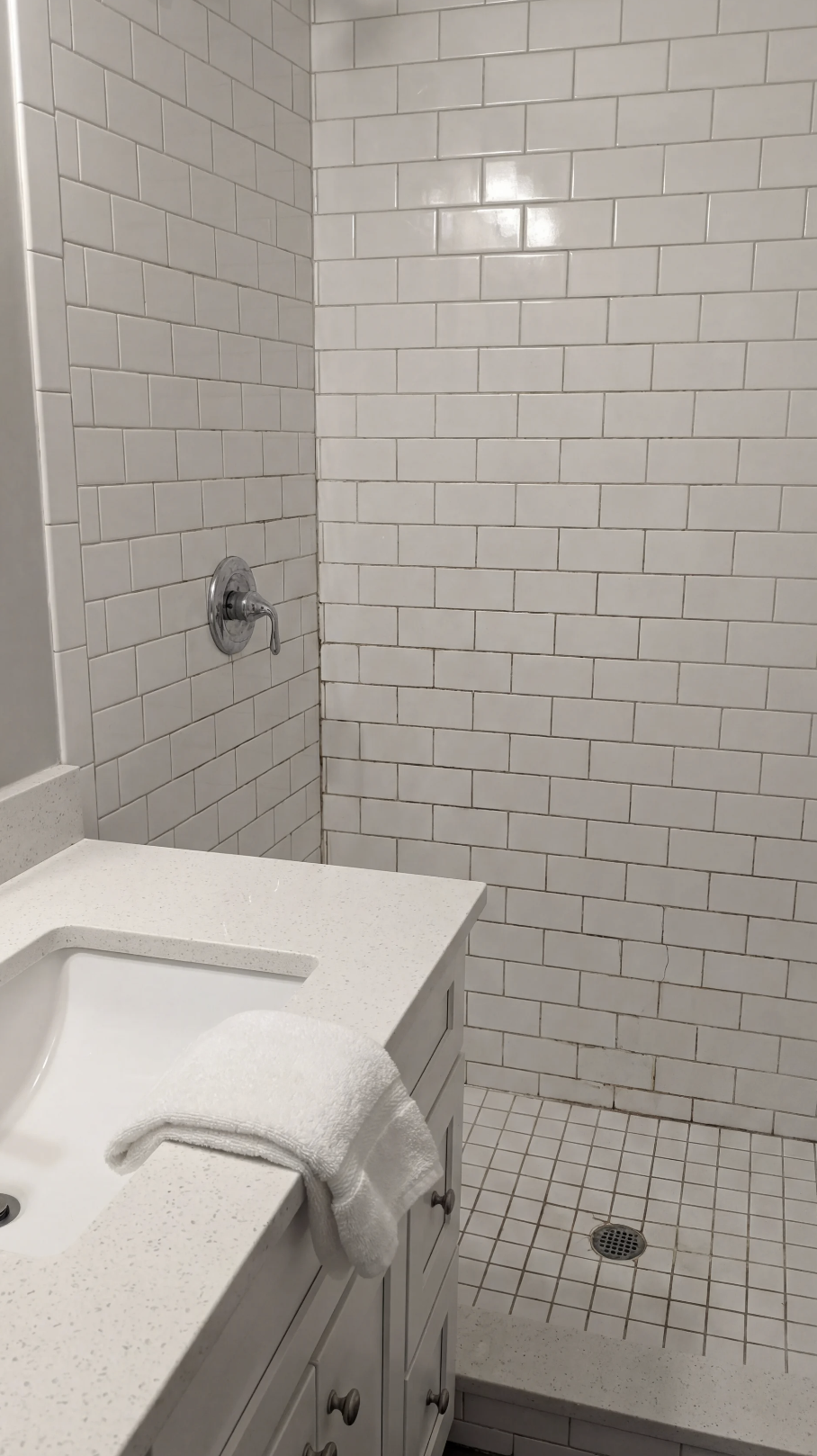
Why Grout Is So Hard to Keep Looking Clean
Grout is not tile. Tile is hard, smooth, and relatively non-porous. Grout is the opposite. It is porous by design, which means it absorbs moisture, oils, soap residue, dirt, and anything else that lands on it. That porosity is what allows grout to cure and bond between tiles, but it is also why it discolors and breaks down over time.
Even in a clean home, grout is constantly exposed to:
water and humidity
soap and shampoo residue
oils from skin and cooking
fine dirt and dust
Over time, those substances soak in. Once they are embedded, surface cleaning alone cannot remove them. This is why grout often looks dirty even after you have cleaned it thoroughly.
The Most Common Mistake Homeowners Make With Grout
The biggest mistake people make is treating grout like tile. They scrub harder. They use stronger cleaners. They reach for bleach or harsh chemicals.
This often makes the problem worse. Aggressive cleaners can strip grout, weaken its surface, and open up even more pores. Bleach may temporarily lighten the color, but it also degrades the grout over time, making it more prone to future staining and crumbling. The grout may look better for a short while, but it breaks down faster afterward.
This cycle is why grout seems impossible to “fix” with cleaning alone.
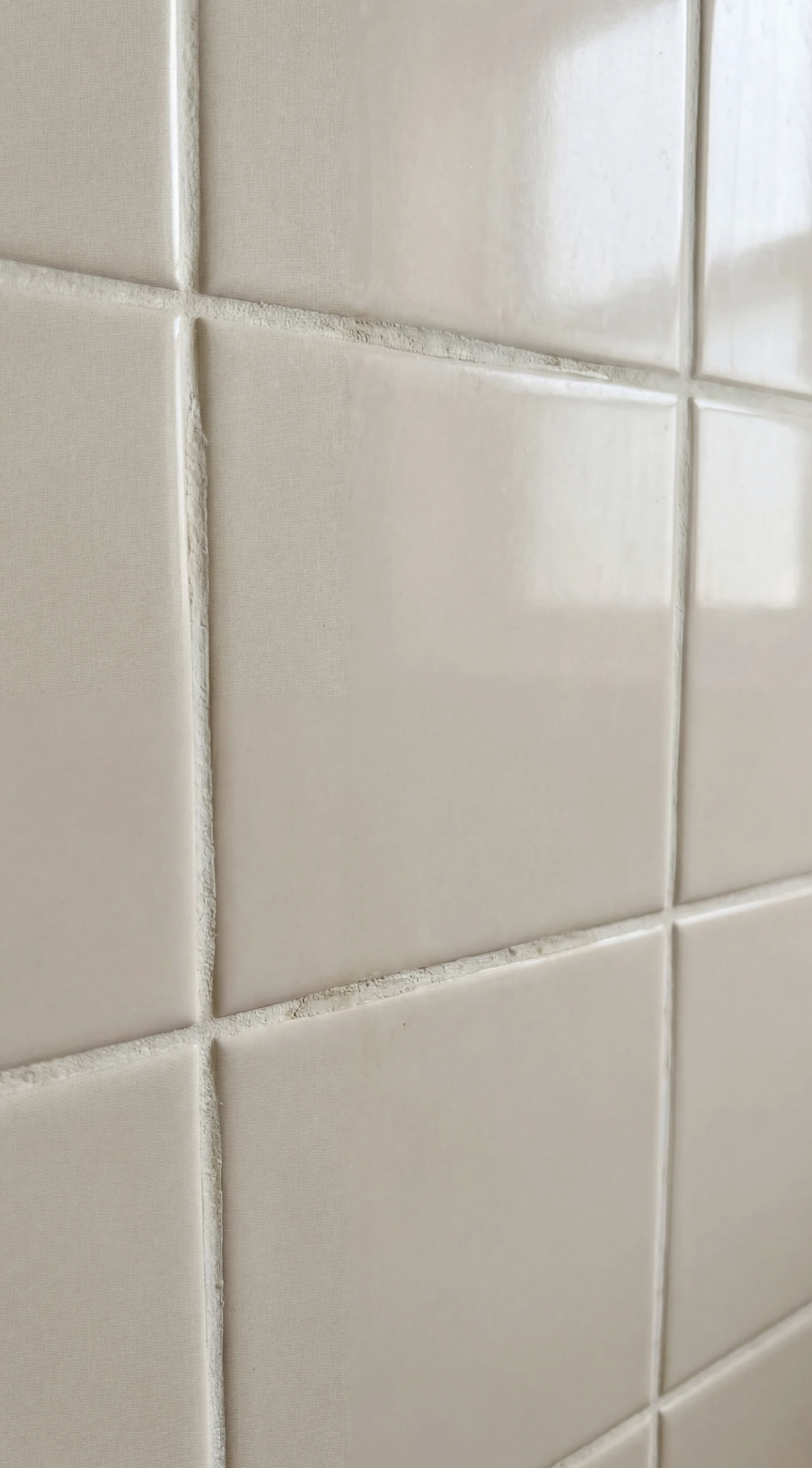
Why Grout Changes Color Over Time
Grout rarely stays the same color it was on day one. There are a few reasons for this.
First, moisture plays a major role. In bathrooms, showers, and kitchens, grout is constantly exposed to water. If it is not sealed properly, it absorbs moisture and whatever is dissolved in it.
Second, soap and cleaning residue build up gradually. Even mild cleaners leave behind residue that darkens grout over time.
Third, natural wear and movement affect grout. Floors flex slightly. Houses settle. Temperature and humidity change. Grout responds to all of that.
These changes are normal, but they explain why grout slowly loses its original appearance even in well-maintained homes.
Cracking and Crumbling Grout Is a Bigger Signal
When grout starts cracking, crumbling, or falling out, that is no longer a cosmetic issue.
This usually happens at:
corners
transitions between walls and floors
areas with movement or vibration
Grout is rigid. It does not flex well. When surfaces move, grout cracks. This is why professionals often use flexible caulk, not grout, in corners and change-of-plane joints. Grout in these areas will almost always fail eventually. If cracked grout is ignored, moisture can slip behind tile, leading to hidden water damage, mold, or loose tiles. At that point, cleaning is irrelevant. The grout is no longer doing its job.
When Cleaning Is Still the Right Move
Not all grout problems require repair or replacement.
If grout is intact, not crumbling, and not deeply stained, cleaning can still help. The key is using the right approach.
Gentle, grout-safe cleaners combined with a soft brush work better than harsh chemicals. Steam cleaning can also be effective because it loosens buildup without damaging the grout surface. If grout lightens evenly after cleaning and dries without dark patches, it is still structurally sound. That is when the real fix should follow.
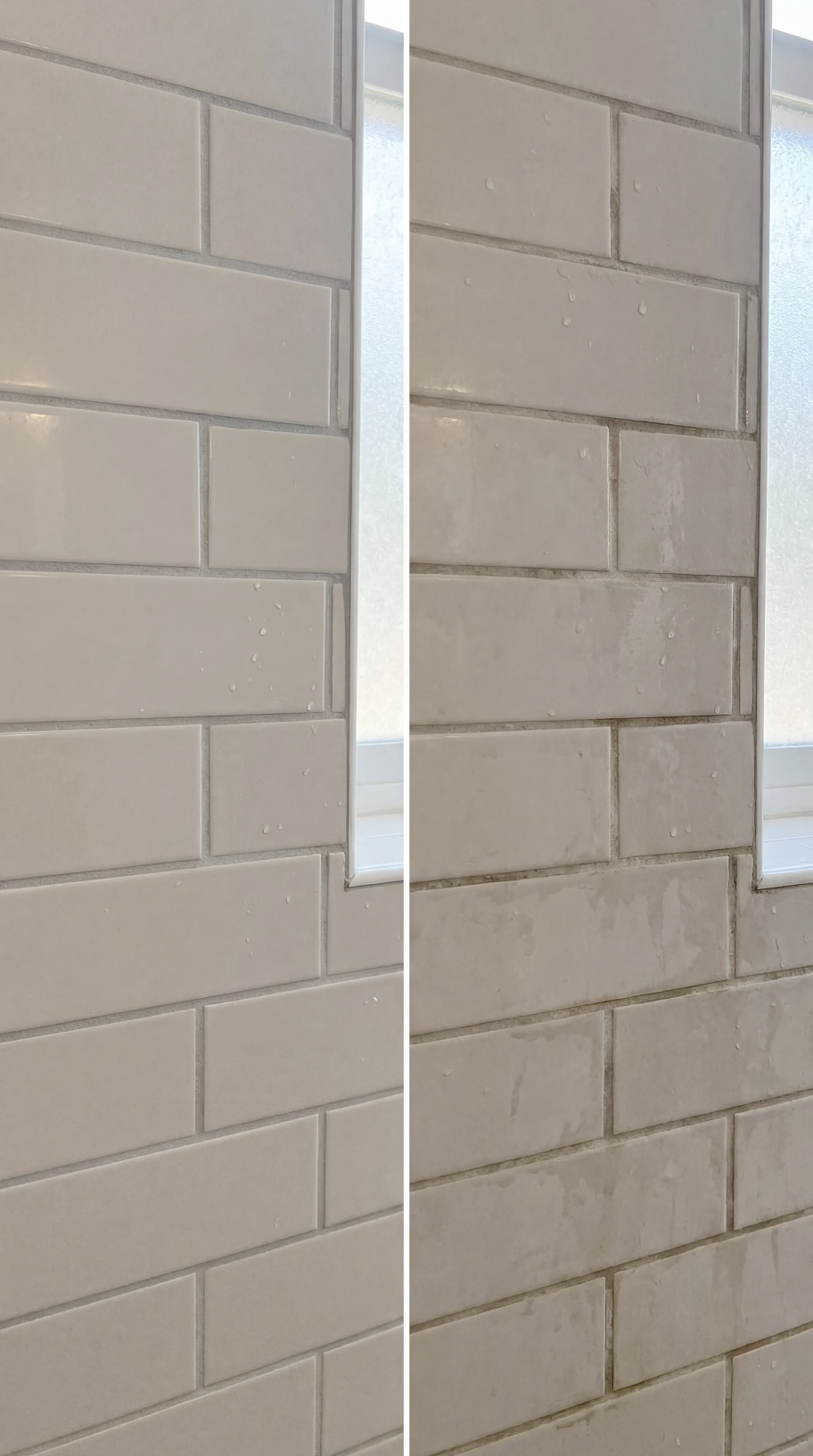
Why Sealing Matters More Than Most People Realize
Sealing grout is one of the most overlooked steps in tile maintenance. Grout sealer does not make grout waterproof, but it does slow down absorption significantly. That extra protection keeps moisture, oils, and dirt closer to the surface where they can be cleaned away. Unsealed grout almost always discolors faster than sealed grout.
Many homes either never had grout sealed, or the sealer wore off years ago. Sealers are not permanent. They need to be reapplied periodically, especially in high-use areas. Sealing clean grout is one of the simplest ways to make improvements last longer.
When Grout Looks Bad Even After Cleaning
Sometimes grout is clean but still looks bad.
This usually happens when staining is deep, uneven, or baked in after years of use. At this stage, no amount of scrubbing will restore the original color. This is where many homeowners feel stuck. They assume the only option is regrouting, which sounds expensive and disruptive. Fortunately, there is another option that professionals use frequently.
The Fix That Actually Lasts: Grout Refresh and Recoloring
When grout is intact but permanently discolored, grout refresh or recoloring products are often the best solution. These products penetrate the grout and restore uniform color. They act as both a colorant and a sealer, improving appearance while adding protection.
This approach works especially well when:
grout is structurally sound
stains are deep and uneven
cleaning alone does not improve appearance
Recoloring grout can make tile look completely new without removing or replacing anything. This is one of the most overlooked but effective fixes for ugly grout.
When Regrouting Is the Right Answer
Regrouting should be reserved for situations where grout has failed structurally.
If grout is:
crumbling
missing in sections
allowing water behind tile
Then replacement is the correct fix. Spot regrouting small sections is often enough. Full regrouting is rarely necessary unless the grout was improperly installed or has widespread damage. Professionals focus on repairing what is actually failing, not tearing out everything by default.
Why Pros Think About Grout Differently
Professionals do not think about grout as something that should stay perfect forever.
They see it as a material with a lifespan that depends on:
moisture exposure
movement
maintenance
Their goal is not perfection. It is performance.
That mindset leads them to:
seal grout early
use flexible materials where movement exists
refresh or recolor instead of replacing whenever possible
This approach saves time, money, and frustration.
How to Keep Grout Looking Good Long-Term
Once grout is fixed properly, maintaining it becomes much easier.
Simple habits make a big difference:
wipe excess moisture in showers
avoid harsh cleaners
reseal when needed
address cracks early
Grout rarely fails overnight. It degrades slowly. Paying attention early keeps small issues from becoming big ones.
Final Thoughts
If your tile grout keeps looking bad, it is not because you are failing at cleaning.
In most cases, the grout has either absorbed years of buildup, lost its protective seal, or reached the end of its cosmetic life. Scrubbing harder is rarely the answer. Understanding why grout looks the way it does opens the door to fixes that actually last. Whether that means sealing, recoloring, or repairing small sections, the right solution depends on the condition of the grout, not just its appearance. When grout is handled correctly, it stops being the weak link in an otherwise clean space.
And that is when tile finally looks the way it should.