
The Best Updates to Make to Your Home to Increase Its Value
(Without Over-Improving or Overspending)
When people talk about increasing home value, the conversation usually jumps straight to big renovations.
New kitchens. New bathrooms. Full remodels that cost tens of thousands of dollars.
The reality is much quieter.
Most homes gain value not from one dramatic upgrade, but from a series of smart, practical improvements that make the house feel well cared for, efficient, and easy to live in. Buyers are not just looking at finishes. They are paying attention to how the home functions.
The best updates are the ones that reduce friction, signal good maintenance, and eliminate future headaches.
Here are the updates that consistently add real value, without crossing into over-improvement territory.
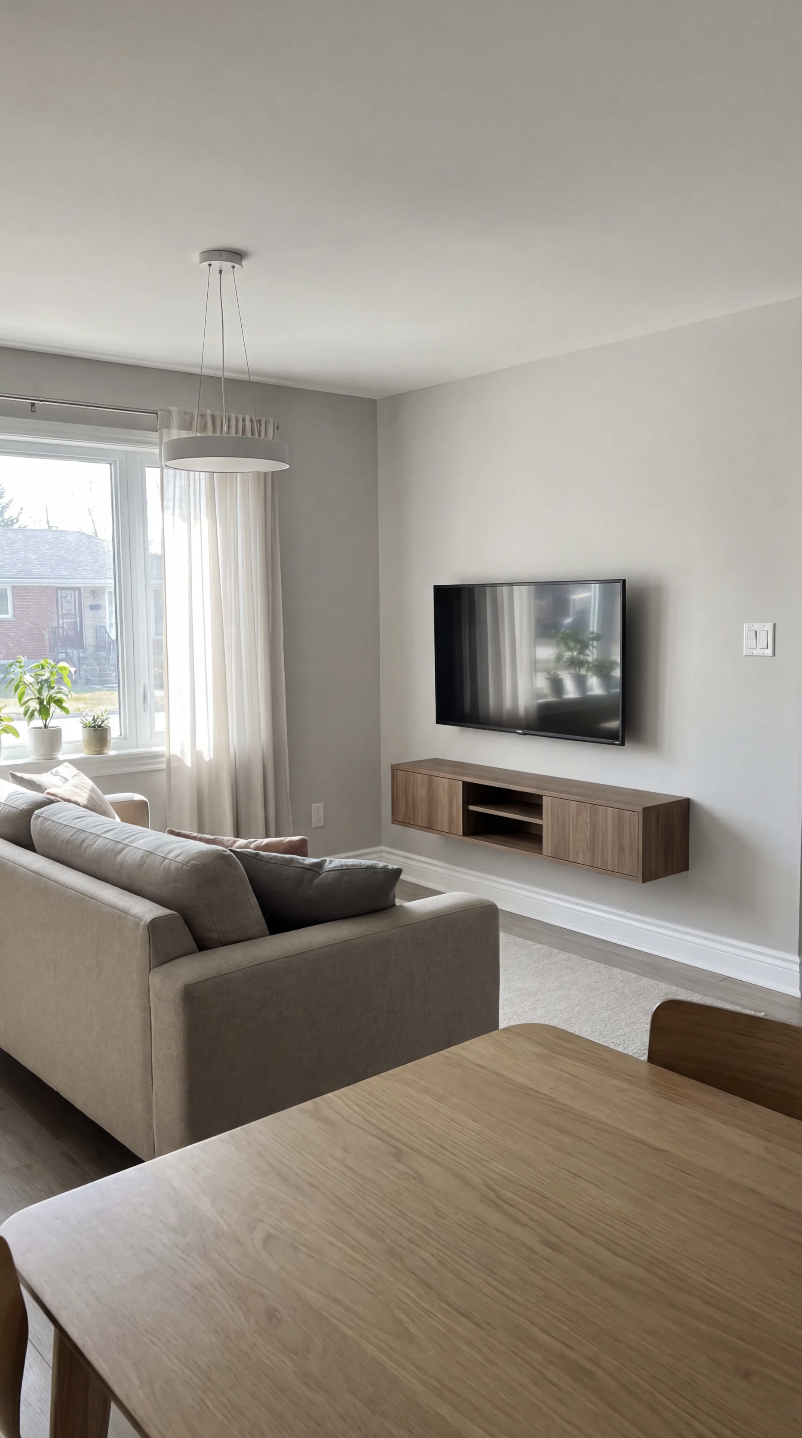
Start With the Things Buyers Worry About (Even If They Don’t Say It)
Before thinking about aesthetics, think about confidence.
Buyers walk through a home asking silent questions:
Will this house be expensive to maintain?
Are there hidden problems?
How much work will I need to do right away?
Updates that answer those questions clearly often matter more than trendy finishes.
This is why small maintenance-focused upgrades can have an outsized impact on perceived value.
Improve Lighting (It Changes Everything)
Lighting is one of the most overlooked value upgrades.
Dark rooms feel smaller, older, and less inviting. Simply replacing outdated fixtures with modern, neutral options can dramatically change how a space feels.
Flush-mount LED fixtures, slim profile ceiling lights, and warm-toned bulbs create a clean, updated look without drawing attention to themselves. In key areas like kitchens, hallways, and entryways, upgraded lighting makes the home feel brighter and more intentional.
Adding dimmer switches where appropriate is another subtle upgrade buyers appreciate. Modern LED-compatible dimmers are inexpensive and easy to install, and they instantly make spaces feel more flexible and polished.
Update Switches, Outlets, and Plates
This is a small detail that adds up fast.
Yellowed outlet covers, mismatched switch plates, or loose outlets quietly date a home. Replacing them with clean, modern versions makes walls look sharper and better maintained.
Upgrading high-use outlets to tamper-resistant or USB-integrated versions is a functional bonus buyers notice, especially in kitchens, bedrooms, and home offices.
These upgrades are inexpensive, but they send a strong signal that the home has been thoughtfully updated, not just cosmetically staged.
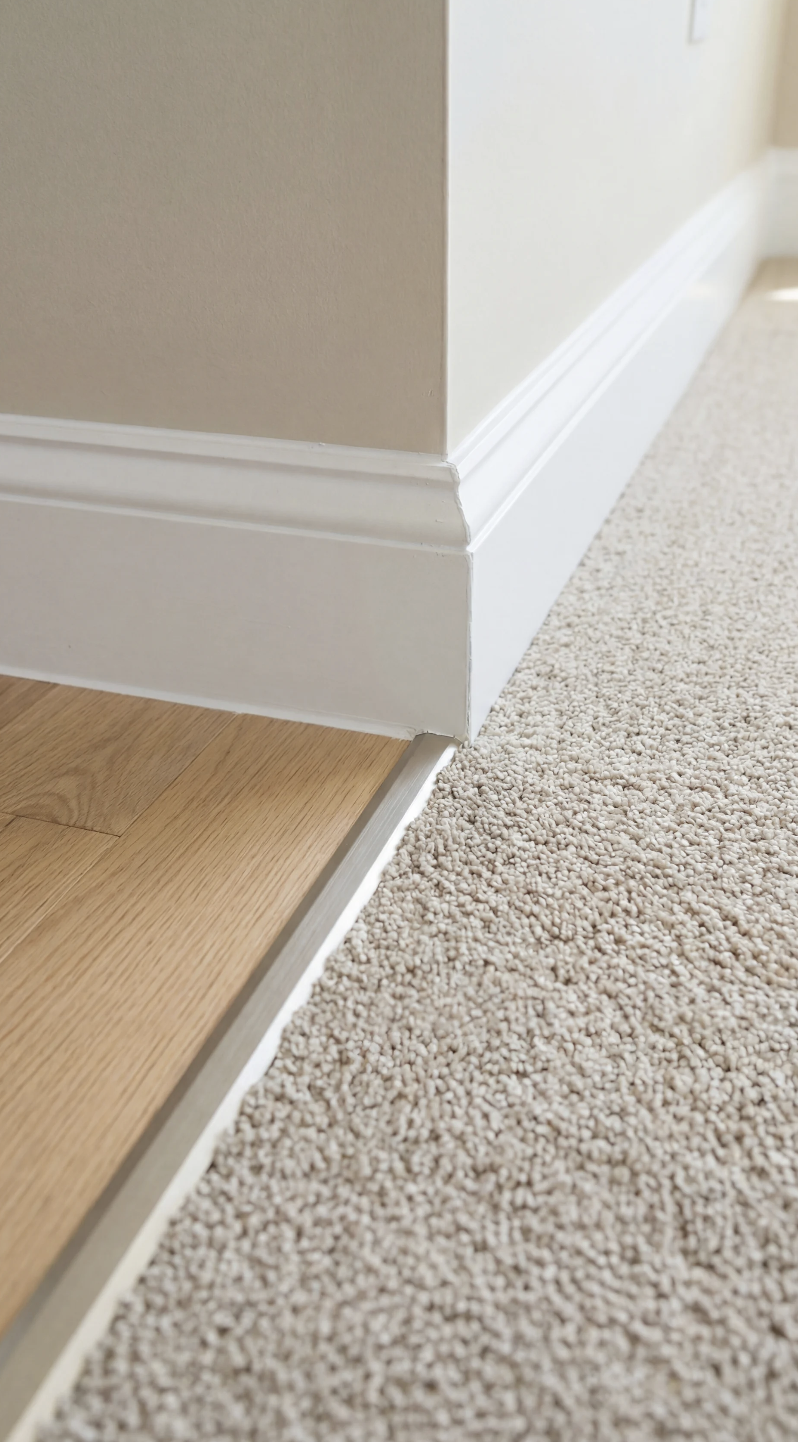
Address Flooring Transitions and Trim
You don’t always need new flooring to increase value.
What buyers notice quickly are uneven transitions, cracked trim, and unfinished edges. Fixing these details makes the entire home feel more cohesive.
Replacing worn transition strips, re-caulking baseboards, and touching up trim paint creates a “finished” look that photographs well and feels intentional in person.
A simple paintable caulk and a quality trim brush go a long way here. These are the kinds of upgrades that don’t show up on a renovation budget, but they absolutely show up in a buyer’s impression.
Make the Kitchen Feel Functional (Not Flashy)
A full kitchen remodel is rarely the best return on investment unless the existing kitchen is truly outdated or failing.
Instead, focus on function and cleanliness.
Replacing old cabinet hardware with modern pulls, installing a new faucet with a clean profile, and upgrading to a quieter, more efficient exhaust fan all improve usability without major cost.
If appliances are aging but still functional, a deep clean and minor repairs may be enough. Buyers care more about whether things work smoothly than whether they are brand new.
Simple upgrades like soft-close hinges or drawer glides also add a subtle sense of quality that buyers notice immediately when they interact with the space.
Bathrooms: Fix What Feels Tired
Bathrooms are value-sensitive rooms, but they don’t always need a full renovation.
Start by addressing:
failing caulk
leaky fixtures
weak ventilation
Re-caulking tubs and showers with a quality bathroom silicone instantly makes the space look cleaner and newer. Replacing old exhaust fans with modern, quieter models improves moisture control, which buyers care about even if they don’t articulate it.
Swapping dated faucets or showerheads for simple, modern designs can refresh the room without retiling anything. Water-efficient fixtures are also a selling point in many markets.
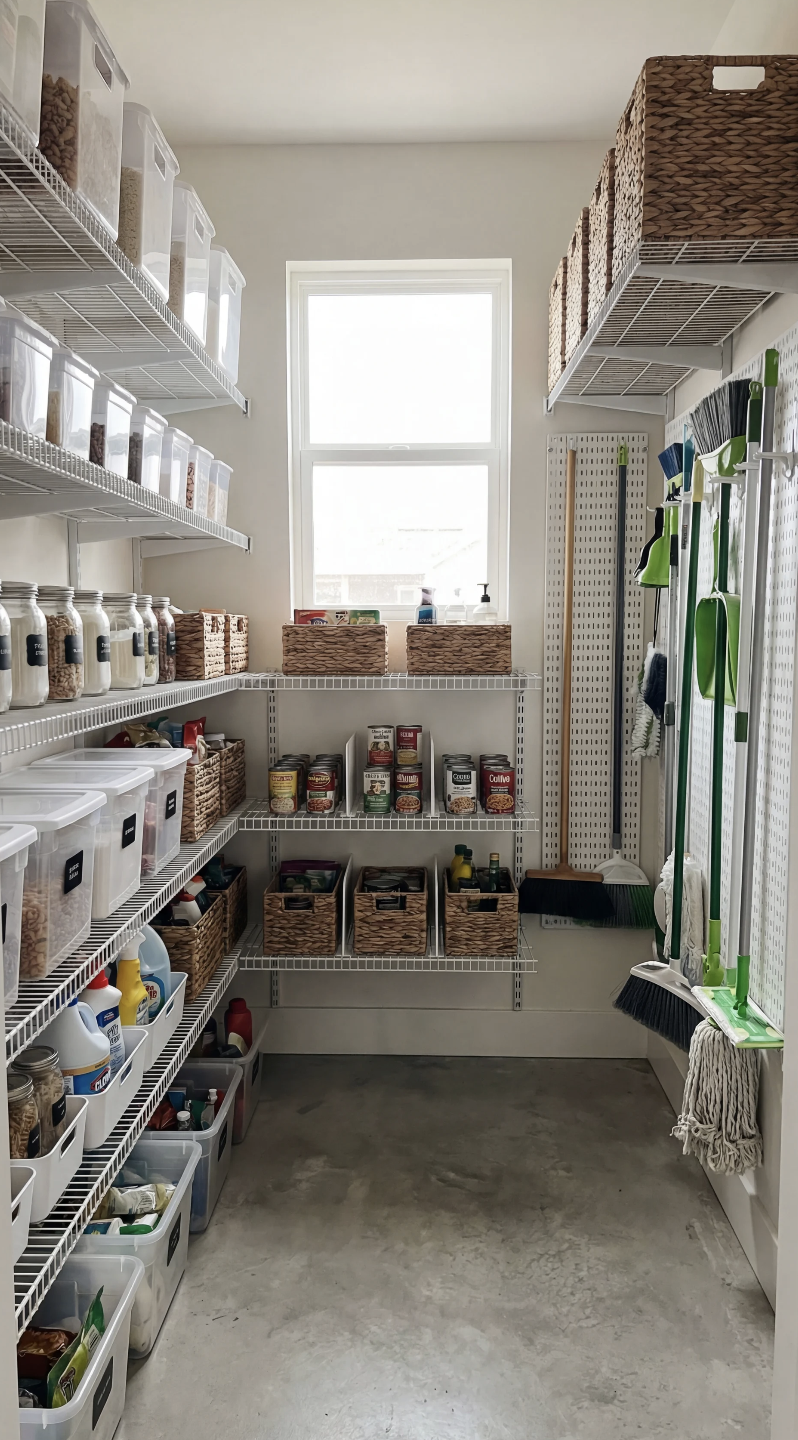
Improve Storage and Organization
Homes that feel organized feel larger and more valuable.
Simple storage upgrades like closet shelving systems, garage wall storage, or pantry pull-out organizers improve daily function and help buyers visualize how they will live in the space.
Installing adjustable shelving systems or pegboard-style garage organization is far less expensive than custom cabinetry, but it delivers a similar sense of utility.
Buyers love storage they don’t have to design themselves.
Address Energy Efficiency Where It’s Visible
Energy efficiency adds value when it’s obvious.
Sealing drafty doors with new weatherstripping, adding door sweeps, and replacing old thermostats with smart or programmable models signals efficiency without requiring a full HVAC overhaul.
Smart thermostats are a particularly strong upgrade because buyers immediately recognize them and understand the benefit.
Even small upgrades like LED bulbs throughout the home reduce the sense of future work for a buyer.
Take Care of Curb Appeal (But Keep It Simple)
First impressions matter.
Curb appeal doesn’t require landscaping overhauls. Clean lines matter more than complexity.
Pressure washing walkways, refreshing mulch, trimming overgrown shrubs, and repainting or replacing house numbers can dramatically improve how the home is perceived from the street.
Upgrading exterior light fixtures to simple, modern designs also helps. Solar path lights along walkways add structure and visibility without wiring.
These are low-cost improvements with high visual impact.
Fix the “Quiet Problems”
Some of the most valuable updates are the ones buyers never see, but definitely feel.
Replacing aging washing machine hoses with braided stainless steel versions, installing water leak detectors under sinks, or adding a battery backup to a sump pump reduces risk.
These upgrades signal responsible ownership and can be highlighted during showings or inspections.
They don’t make a home flashy. They make it trustworthy.
Fresh Paint Still Matters (When Done Right)
Paint is one of the most obvious value upgrades, but only when done thoughtfully.
Neutral, consistent colors throughout the home help spaces flow and photograph well. Avoid dramatic accent walls or overly personalized color choices when preparing to sell.
Quality paint, clean edges, and proper prep make a bigger difference than color trends. A well-painted room feels cared for. A rushed paint job does the opposite.
What to Avoid When Trying to Add Value
Over-improving is a real risk.
Custom features, luxury finishes, and highly personal design choices often don’t return their cost unless the home is in a specific market segment.
If an upgrade doesn’t improve function, efficiency, or durability, it may not add much value.
The goal is to make the home easier to live in, not harder to maintain.
Final Thoughts
The best updates to increase home value are rarely the loudest ones.
They are the upgrades that reduce friction, remove doubt, and make the home feel solid, cared for, and easy to move into. Buyers may not compliment you on new weatherstripping or upgraded outlets, but those details shape how confident they feel about the house as a whole.
Focus on function first. Cleanliness second. Style third.
When a home works well, it feels valuable. And that feeling is what ultimately drives price.