
The Home Repairs That Look Scary But Are Actually Easy
Some home repairs look intimidating at first glance.
There are pipes. Electrical boxes. Mechanical parts. Words like “valve” or “flange” that make people pause and think maybe this should be left to someone else. But here is the interesting thing about many common home repairs: the ones that look the most complicated are often the simplest once you understand how they work.
Many systems in your home were designed to be serviceable. Manufacturers expect parts to wear out, loosen, or need adjustment over time. The solutions are usually straightforward. If you are comfortable using basic tools and taking a few minutes to understand what you are looking at, these repairs are far more approachable than they appear.
Here are several home fixes that seem intimidating but are often surprisingly simple once you know what to do.
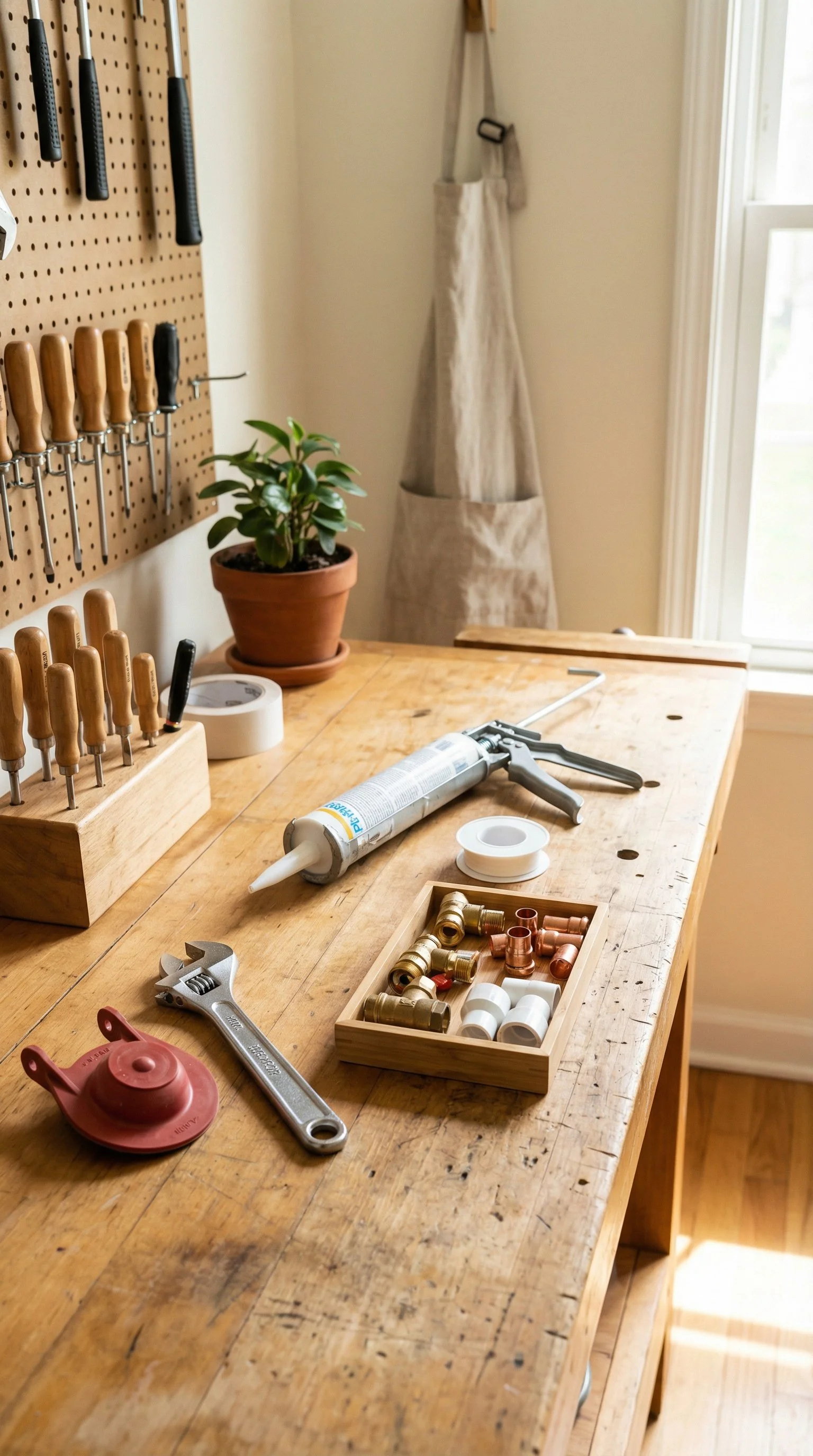
Fixing a Running Toilet
A running toilet is one of the most common household annoyances, and it can also quietly waste a surprising amount of water.
Many people assume something complicated is wrong with the plumbing when they hear the tank refilling every few minutes. In reality, the issue is usually inside the tank itself. Most toilets rely on just a few components: a flapper, a fill valve, and a chain connecting the handle to the flapper.
Over time, the flapper can warp or stiffen, preventing it from sealing tightly. When that happens, water slowly leaks from the tank into the bowl, triggering the refill cycle.
Replacing the flapper is often all it takes to solve the problem. Universal toilet repair kits are inexpensive and typically include both the flapper and a replacement fill valve. These kits are designed so homeowners can install them with minimal tools. Once you see how simple the mechanism is inside the tank, it stops feeling like plumbing and starts feeling more like basic maintenance.
Replacing a Loose Electrical Outlet
A loose outlet can feel unsettling.
When plugs slide out easily or the outlet shifts slightly when you push a cord in, it can make people nervous about touching anything electrical.
But in many cases, the issue is simply that the outlet itself has worn out or loosened from the electrical box.
The internal contacts inside outlets lose tension after years of use. When that happens, replacing the outlet solves the issue immediately.
A new outlet costs very little and installs with just a screwdriver once power is turned off at the breaker panel.
Sometimes the outlet is solid, but it sits too far back in the wall. In that case, simple outlet spacers can bring the outlet forward so it sits flush with the wall plate.
This is one of those repairs that feels intimidating until you see how straightforward the components actually are.
Re-Caulking Around a Sink or Tub
Caulking seems simple until it needs to be redone.
Old caulk can crack, discolor, or pull away from the surface over time. When that happens, water can sneak into gaps and eventually damage surrounding materials. Many homeowners delay re-caulking because they assume it requires special skill. In reality, the most important step is preparation.
Removing the old caulk completely with a caulk removal tool creates a clean surface for the new seal. Once the area is dry, applying a smooth bead of bathroom-grade silicone caulk restores the waterproof barrier. A simple caulking finishing tool helps smooth the bead evenly so it looks clean and professional. When done carefully, this small repair protects sinks, tubs, and showers from moisture damage for years.
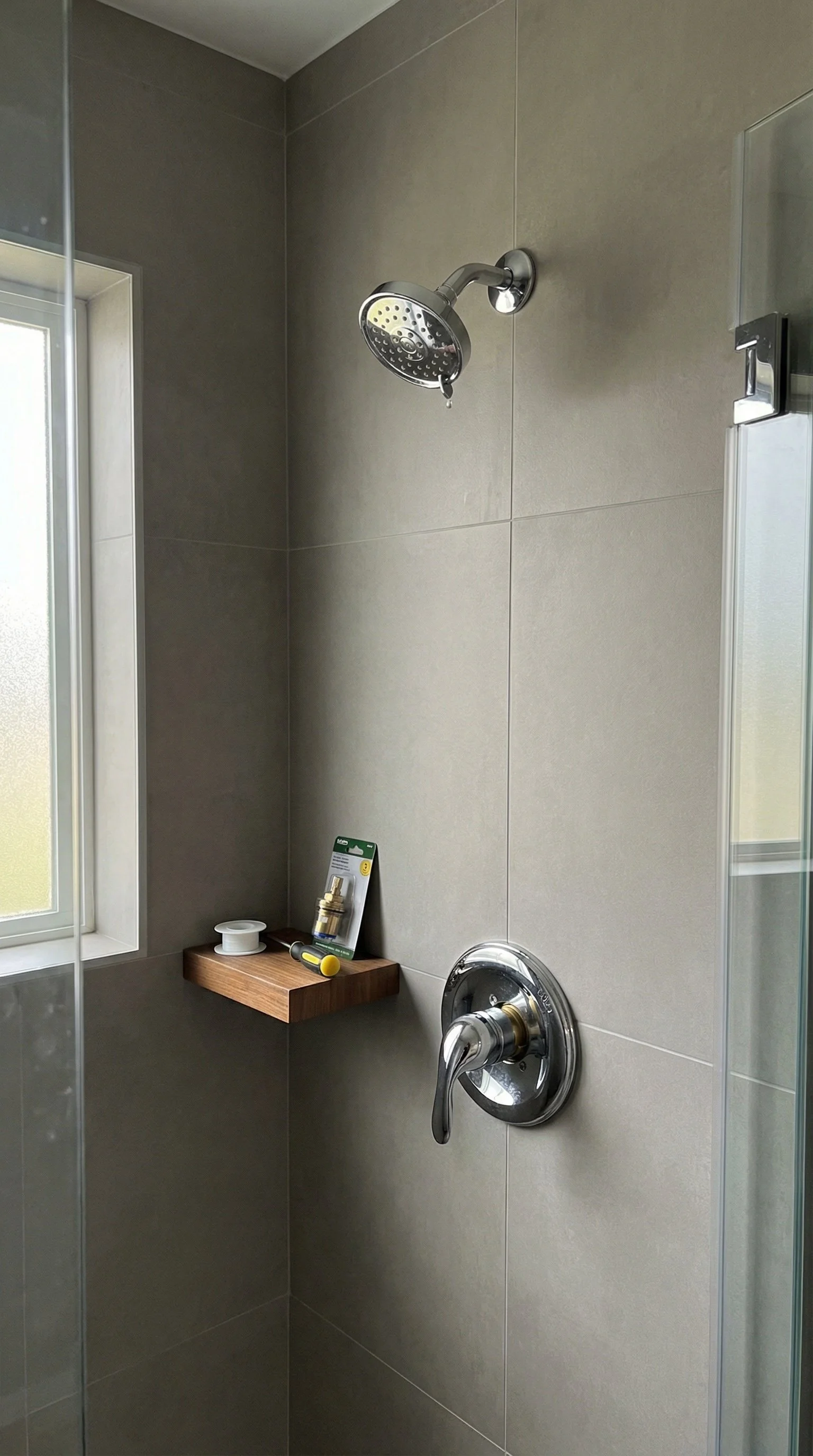
Fixing a Dripping Shower Head
A dripping shower head often makes people think something inside the wall is broken.
Fortunately, the cause is usually much simpler.
Inside the shower handle assembly are small rubber washers or cartridges that control water flow. When these components wear out, water can seep through even when the handle is turned off. Most modern shower faucets use replaceable cartridges that slide out once the handle and trim plate are removed. Replacing the cartridge typically restores the seal and stops the drip completely.
If the shower head itself is leaking at the connection, wrapping the threads with plumber’s tape before reinstalling it often solves the problem. This repair may look complicated from the outside, but once the handle is removed, the internal parts are surprisingly simple.
Adjusting Cabinet Doors
Cabinet doors that look crooked or refuse to close properly often convince homeowners something structural is wrong.
But most modern cabinets use adjustable hinges designed specifically to correct alignment issues. These hinges have small adjustment screws that move the door slightly up, down, left, or right. A few turns of a screwdriver can realign the door so it closes evenly again.
Cabinet hinge adjustment is one of the easiest repairs in a home, yet it dramatically improves how a kitchen or bathroom looks. Sometimes the fix takes less than two minutes.
Replacing Weatherstripping
Drafty doors and windows can make a home feel uncomfortable and raise energy bills.
People often assume fixing drafts requires replacing the entire door or window assembly. In many cases, the issue is simply worn weatherstripping.
Weatherstripping is the flexible seal that sits between a door or window and the frame. Over time, it compresses, cracks, or pulls away. Replacing it restores the seal and prevents outside air from entering. Most modern weatherstripping is designed to slide into a groove in the frame or attach with adhesive backing. Installation takes only a few minutes and requires minimal tools. It is a small repair with a noticeable impact on comfort.
Clearing a Slow Drain
A slow drain often makes people imagine complicated plumbing issues deep inside the house.
But in bathrooms especially, slow drainage is usually caused by hair and soap buildup near the surface. Using a simple drain cleaning tool designed to hook hair from the pipe often removes the blockage instantly. For deeper buildup, a flexible drain snake can reach further into the pipe without disassembling plumbing. Cleaning the drain early prevents complete clogs later.
The intimidating part is the idea of plumbing, but the actual fix is often just removing debris..
Tightening a Loose Door Handle
Door handles take a lot of use, so it is normal for them to loosen over time.
When a handle wiggles or feels unstable, it can make the entire door seem poorly installed. In reality, most door handles are secured by just a few screws hidden behind the trim plate. Removing the cover plate reveals the screws that tighten the handle assembly back into place. Once tightened, the door feels solid again. It is one of the simplest fixes in a home, yet many people live with loose handles for years.
Resetting a Tripped GFCI Outlet
Ground fault circuit interrupter outlets, commonly found in kitchens, bathrooms, and garages, are designed to shut off power if they detect an electrical imbalance. When they trip, the outlet stops working completely. People sometimes assume the outlet has failed or that a larger electrical issue exists.
But most of the time, all that is needed is pressing the reset button on the outlet itself. If the outlet continues to trip repeatedly, that may indicate a deeper issue. But occasional trips are simply the outlet doing its job. Knowing where your GFCI outlets are located makes troubleshooting much easier.
The Real Barrier Is Usually Confidence
The repairs above share something in common.
They look more complicated than they actually are. Once you see the components involved, the systems start to make sense. Pipes connect with fittings. Outlets attach with screws. Hinges adjust with small mechanisms designed for exactly that purpose. Manufacturers design many household components to be replaced or adjusted easily because they know wear and tear is inevitable.
Learning to handle these small repairs does more than save money. It changes how you experience your home. Instead of seeing problems as mysterious or intimidating, you begin to recognize them as small mechanical issues with clear solutions. And once you solve one of them yourself, the next one feels much less intimidating. Sometimes the biggest step in home maintenance is simply realizing that the “scary” repairs are often the easiest ones to fix.