
Why Your Home Never Feels Clean
(Even After Cleaning)
Most people clean their homes regularly.
Counters get wiped. Floors get vacuumed. Bathrooms get scrubbed. Laundry gets done. On paper, everything checks out. And yet, even after a full day of cleaning, the house still doesn’t feel clean. Something feels off. The air feels stale. Rooms feel dull instead of fresh. The effort doesn’t match the result.
This disconnect is incredibly common, and it has very little to do with how hard you’re cleaning.
Homes usually don’t feel unclean because dirt is visible. They feel unclean because the same obvious surfaces get cleaned over and over, while the parts of the home that actually shape how a space feels are quietly ignored. Cleanliness is as much about air, flow, and buildup as it is about wiping things down.
Once you understand why this happens, cleaning stops feeling like an endless loop and starts feeling effective again.
Clean Surfaces Don’t Equal Clean Air
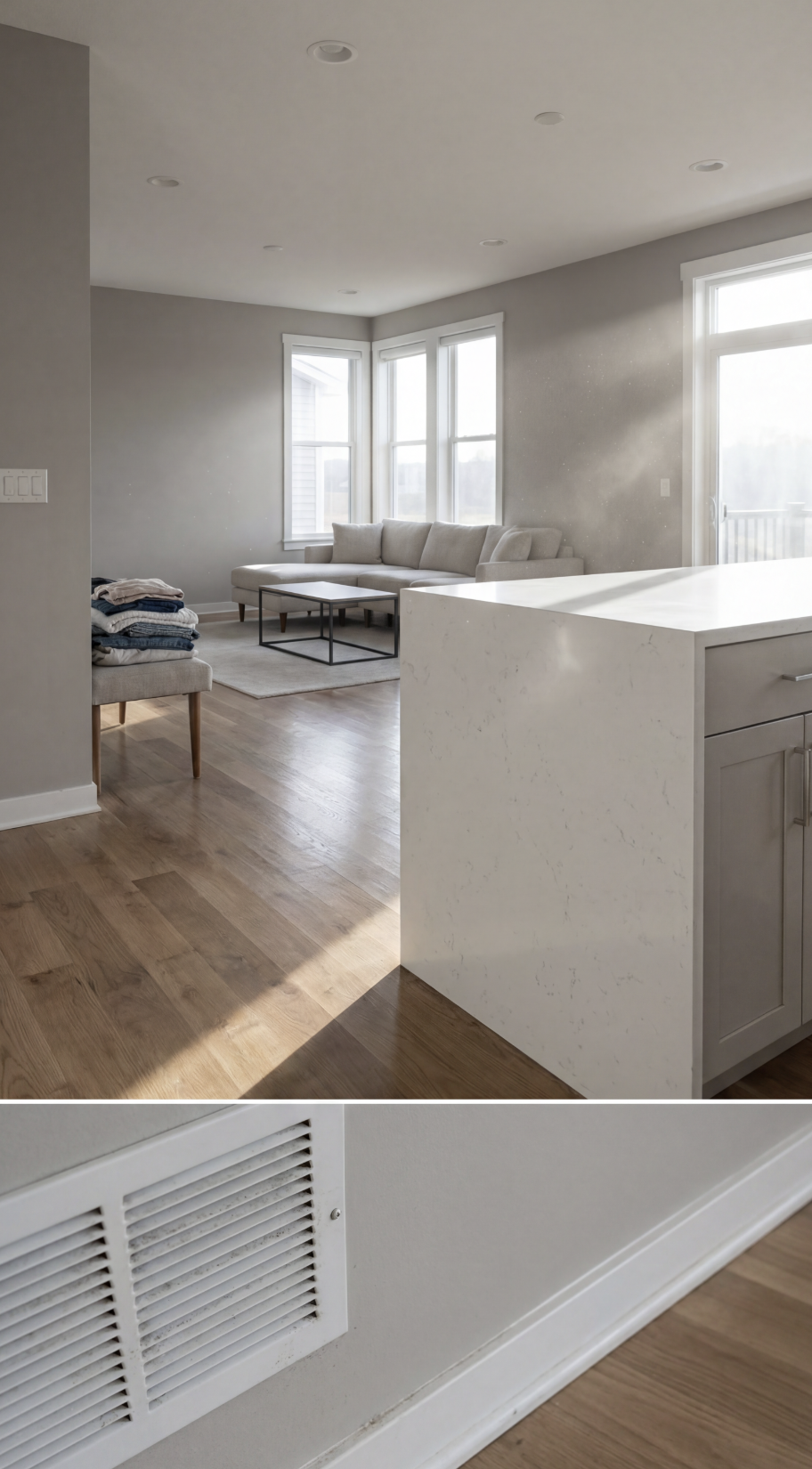
The biggest reason a home doesn’t feel clean is the air itself.
Dust, humidity, odors, and airborne particles settle long before they show up visually. You can clean every surface and still be breathing stale air. This creates that heavy, slightly uncomfortable feeling that’s hard to name.
HVAC filtersHVAC filters play a huge role here. Filters that are clogged or past their service life allow dust and allergens to circulate instead of being captured. Swapping filters regularly improves air quality immediately and reduces how quickly surfaces get dusty again.
Opening windows helps, but only temporarily. In many homes, especially older ones, air exchange is limited. A small air purifier placed in high-use spaces like living rooms or bedrooms can noticeably change how the home feels without altering your cleaning routine.
Hidden Moisture Makes Spaces Feel Off
Moisture doesn’t have to be visible to affect cleanliness.
Bathrooms, kitchens, and laundry rooms produce humidity daily. If that moisture lingers, it settles into fabrics, grout, and drywall. Even without visible mold, lingering moisture creates musty smells and a sense of dampness that cleaning products can’t fix.
Bathroom exhaust fans that are dirty, undersized, or rarely used allow humidity to hang around. Cleaning the fan grille and housing restores airflow more than people expect. In some cases, upgrading to a quieter, higher-capacity fan makes a bigger difference than any cleaner ever could, simply because it actually gets used.
In laundry rooms, leaving washing machine doors slightly open between loads allows moisture to evaporate instead of feeding odors that transfer to the rest of the house.
The Problem With “Clean What You Can See”
Most cleaning routines focus on what’s obvious.
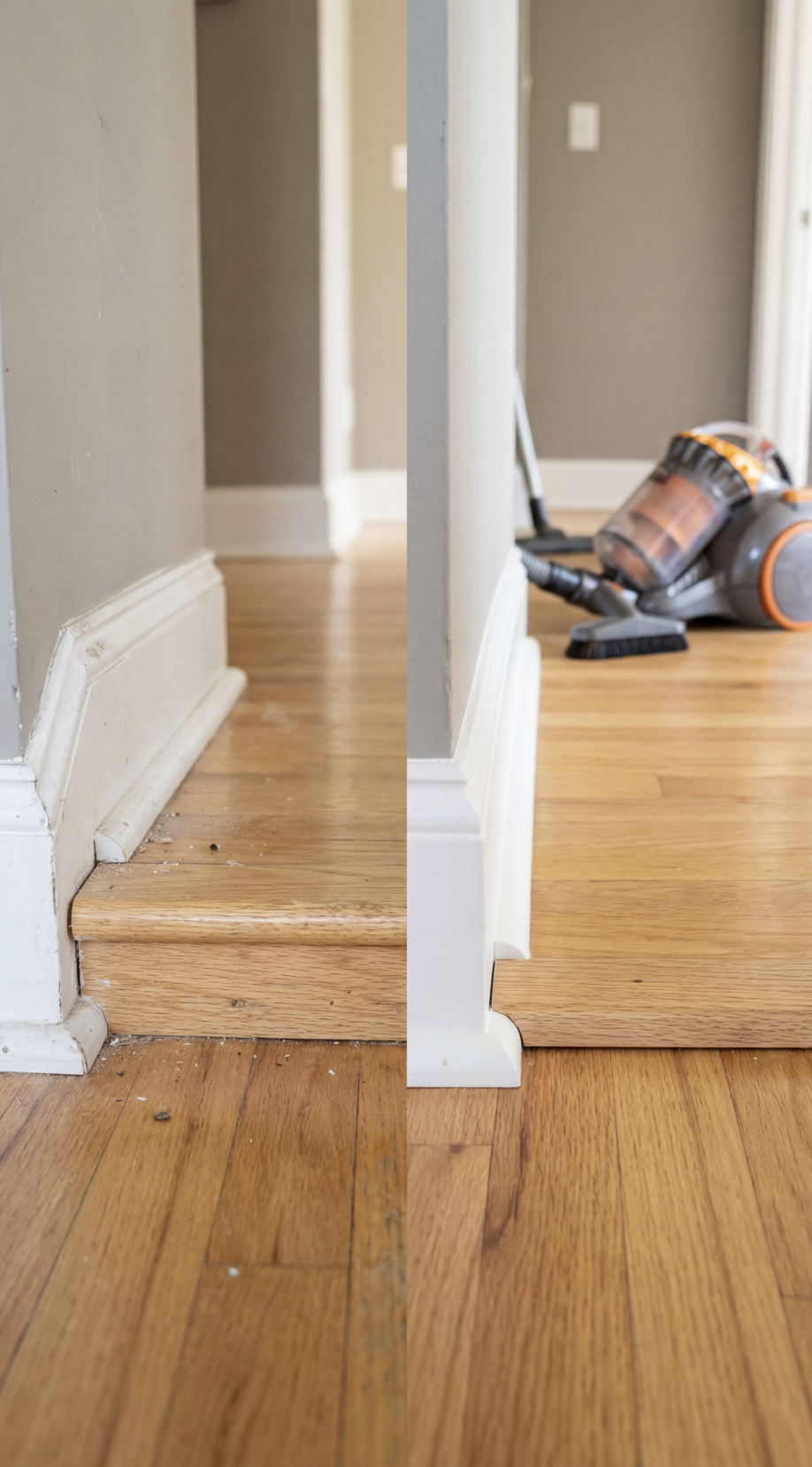
Counters. Floors. Toilets. Sinks. These matter, but they’re not the whole picture. Over time, neglected areas quietly collect grime that affects how clean a home feels overall.
Examples include:
baseboards and trim
door frames and handles
light switches
cabinet fronts
window tracks
Dust and oils accumulate here slowly. You don’t notice them day to day, but your brain registers them subconsciously. This is why rooms can feel dull even when they’re technically clean.
A microfiber cloth dampened lightly with water or a gentle cleaner removes buildup quickly without adding hours to cleaning day. Once these areas are addressed, rooms feel sharper immediately.
Appliances That “Clean Themselves” Don’t
Dishwashers, washing machines, and even coffee makers give the illusion of self-cleaning.
In reality, they trap residue.
Dishwasher filters collect food debris that eventually affects performance and smell. Removing and rinsing the filter every few months improves cleaning results and eliminates lingering odors. Running a dishwasher cleaner through a hot cycle breaks down grease and mineral buildup inside the machine.
Washing machines accumulate detergent residue and moisture, especially front-load models. Using a washer cleaner periodically and wiping door seals prevents odors from transferring to laundry.
When appliances are clean internally, the entire home smells and feels cleaner with no extra surface cleaning.
Odors Get Masked Instead of Solved
Many homes rely on air fresheners, candles, or scented sprays to feel clean.
These products mask smells instead of addressing their source. Over time, this creates a mix of odors rather than eliminating them.
Common odor sources include:
sink overflows and drain channels
trash cans and liners
damp fabrics
garbage disposals
Cleaning sink overflow openings and drain channels periodically prevents smells from forming. Foaming drain cleaners work well because they expand into hidden spaces that brushes can’t reach.
Choosing trash cans with removable inner liners makes deep cleaning easier. Odor-neutralizing sprays designed to eliminate smells rather than cover them reduce the need for constant reapplication.
When smells are removed at the source, homes feel cleaner without added fragrance.
Fabrics Hold More Than You Think
Textiles quietly absorb dust, oils, and odors.
Throw blankets, pillow covers, bath mats, shower curtains, and fabric liners all contribute to how fresh a home feels. These items are rarely washed as often as they should be because they don’t look dirty.
Washing them seasonally refreshes entire rooms. It’s one of the simplest resets you can do without buying anything new.
Once fabrics are clean, you’ll notice that rooms feel lighter even if nothing else changes.
Grime That Builds Slowly Feels Heavier
Some buildup happens so gradually that it blends into the background.
Grease above kitchen cabinets. Dust on ceiling fans. Residue on light fixtures. These areas don’t demand attention until they cross a threshold.
Lining the tops of cabinets with shelf liner or aluminum foil prevents grease buildup entirely. When it’s time to clean, you simply remove and replace it. This removes a future chore before it ever becomes one.
Cleaning light fixtures and fan blades restores brightness and reduces that slightly dim, dusty feeling rooms can develop over time.
Floors Matter, But Transitions Matter More
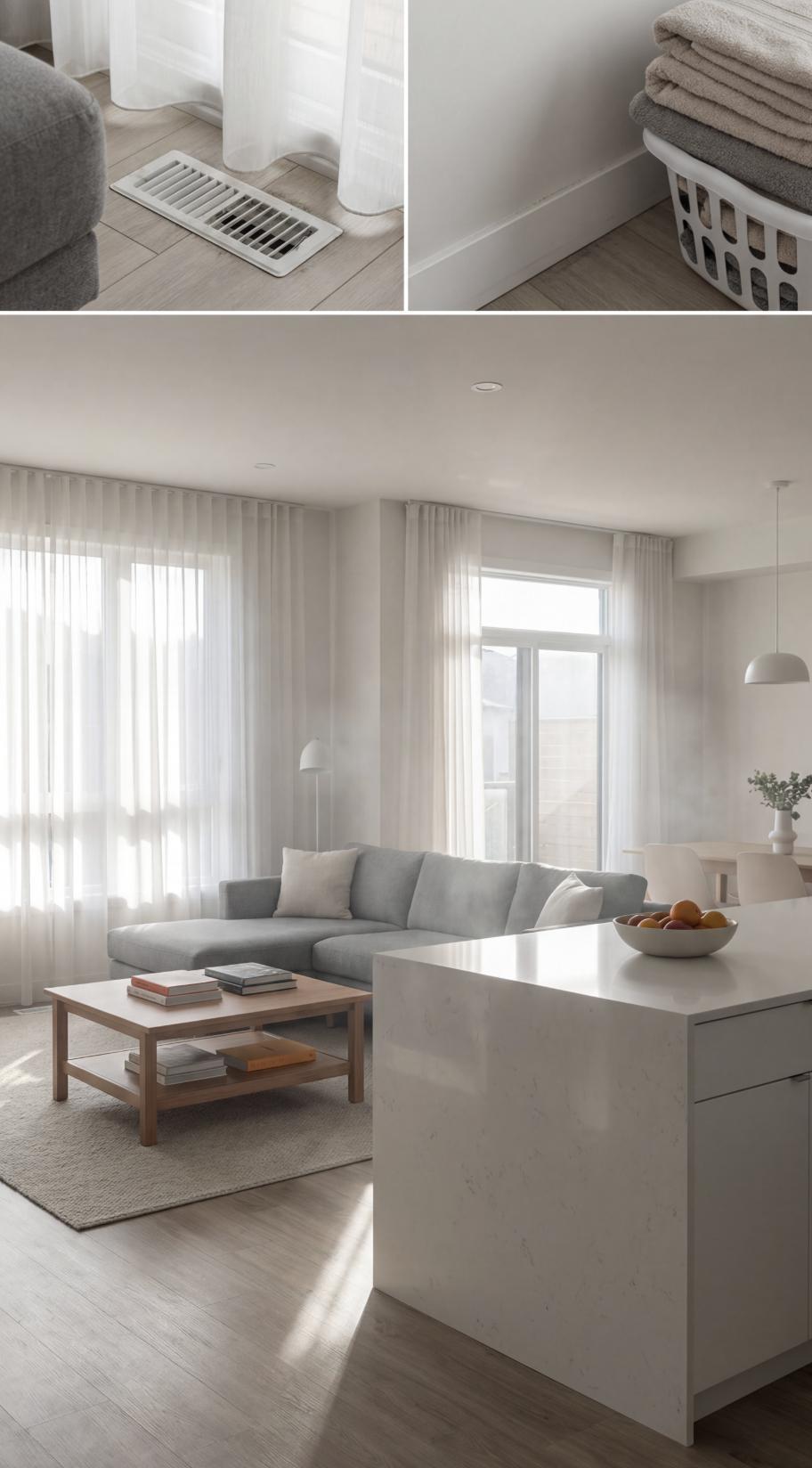
People clean floors constantly, yet overlook the parts that make them feel finished.
Loose transition strips, dusty baseboards, and scuffed edges draw attention away from otherwise clean floors. Securing transitions and cleaning trim sharpens the whole space.
Using a vacuum brush attachment along baseboards regularly keeps dust from settling and reduces how often deeper cleaning is needed.
The goal isn’t perfection. It’s consistency.
Why Cleaning Feels Exhausting When It’s Ineffective
Cleaning feels discouraging when results don’t last.
When underlying issues like airflow, moisture, residue, and neglected zones aren’t addressed, dirt and odors return quickly. This creates the feeling that cleaning is pointless, even when you’re doing everything “right.”
Once those root causes are handled, cleaning takes less time and feels more rewarding. Surfaces stay cleaner longer. Rooms feel fresher. Effort starts matching outcome.
Shifting From Cleaning to Care
A home that feels clean is usually a home that’s being cared for, not constantly scrubbed.
Care focuses on:
removing buildup before it spreads
managing moisture and airflow
protecting surfaces from future mess
cleaning hidden areas periodically
This approach reduces how often you need to deep clean and makes daily upkeep lighter.
Final Thoughts
If your home never feels clean, the problem probably isn’t your effort.
It’s where that effort is going.
Clean air, controlled moisture, addressed buildup, and cared-for systems do more for how a home feels than another round of wiping already-clean surfaces.
Once you shift attention to the areas that quietly shape comfort, cleaning stops feeling endless and starts feeling effective.
A truly clean home doesn’t announce itself. It just feels easier to live in.